Transforming Transit: ITDP’s Groundbreaking Study on the Electrification of Private Omni Buses for a Sustainable Future

The drive toward electrifying public transport in Tamil Nadu has gained momentum, spurred by the successful rollout of electric buses by the Metropolitan Transport Corporation (MTC). A new study by the Institute for Transportation and Development Policy (ITDP) underscores the extensive environmental benefits and fuel savings that could be realized if private bus operators make the switch to electric vehicles.
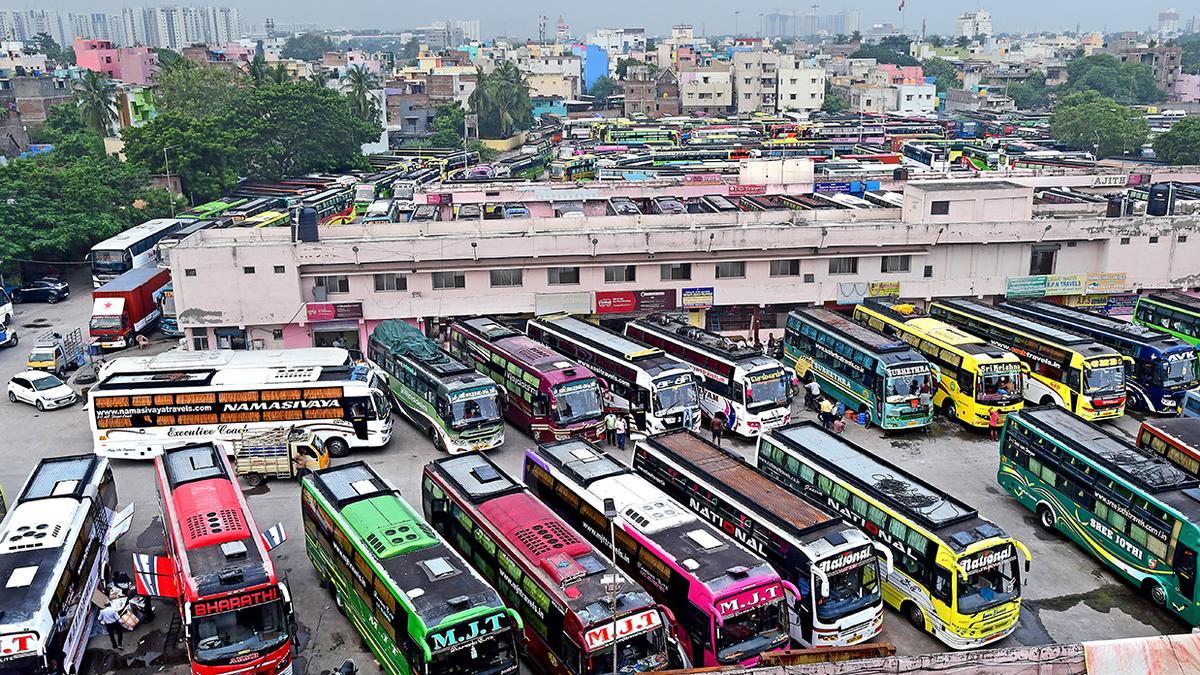
Titled “Accelerating Sustainability: Electrifying Tamil Nadu’s Private Bus Sector,” the report collaborates with the Bus and Car Operators Confederation of India and the Federation of Bus Operators Association of Tamil Nadu. It reveals that transitioning the state’s 8,500 private buses, which collectively transport around 4.8 million passengers daily, could result in a remarkable reduction of 8.4 million tonnes of carbon dioxide emissions. Additionally, the study projects potential fuel savings of ₹24,000 crore over the next decade, alongside a substantial decrease in operational costs, estimated at 30% to 40%.
Sivasubramaniam Jayaraman of ITDP notes that while a survey of 153 private bus operators showed a willingness to embrace electrical transport, several hurdles remain. The major concerns include high initial investment costs, insufficient charging infrastructure, limited financing options, and stringent permit regulations. “Tamil Nadu already stands out as a leader in renewable energy sources, such as wind and solar. There is a unique opportunity for the state to pioneer clean transportation as well,” Jayaraman observes.
He advocates for the creation of innovative financial models-such as dry leasing-and calls for a robust charging network and regulatory reforms that would facilitate subsidies to permit smoother operations for electric buses. If these factors are addressed, Tamil Nadu could emerge as a forerunner in bus electrification, fostering a modern, sustainable public transport system.
The report also highlights a pressing issue: Tamil Nadu, including Chennai, faces a significant shortfall in city bus services. As urban areas continue to expand, the need for additional stage carrier buses is projected to rise dramatically. Currently, the state provides only 18 city buses per 100,000 urban residents, far below the Ministry of Housing and Urban Affairs’ benchmark of 60 buses for the same population metric. The demand across 63 cities in Tamil Nadu is expected to reach around 20,300 buses, while presently only 7,909 buses-both private and public-are operational.
With Chief Minister M.K. Stalin introducing the Tamil Nadu Electric Vehicle Policy 2023, the goal of achieving 50% renewable energy generation by 2030 becomes clearer. The electrification of private stage carrier buses is crucial to meet these sustainability targets. Furthermore, the prevailing public transport system is facing the dual challenges of vehicle shortages and the need for cleaner options, as a considerable number of both public and private buses are outdated.
Echoing these sentiments, T. Abinesh, a resident of Sholinganallur, emphasizes the need for the government to encourage private bus operators, particularly those serving software engineers, to transition from diesel to electric models. He highlights that such a shift would significantly reduce pollution hazards in the IT corridor along Rajiv Gandhi Salai.
As Tamil Nadu gears up for a cleaner transportation future, the dialogue surrounding electrification underscores both the challenges and the vast potential for sustainable public transport, paving the way for a greener tomorrow.
Original Source: https://www.thehindu.com/news/cities/chennai/itdp-takes-up-study-to-assess-the-impact-of-electrification-of-private-omni-buses/article69908534.ece
Category : Chennai
Tags:
Publish Date: 2025-08-09 00:27:00