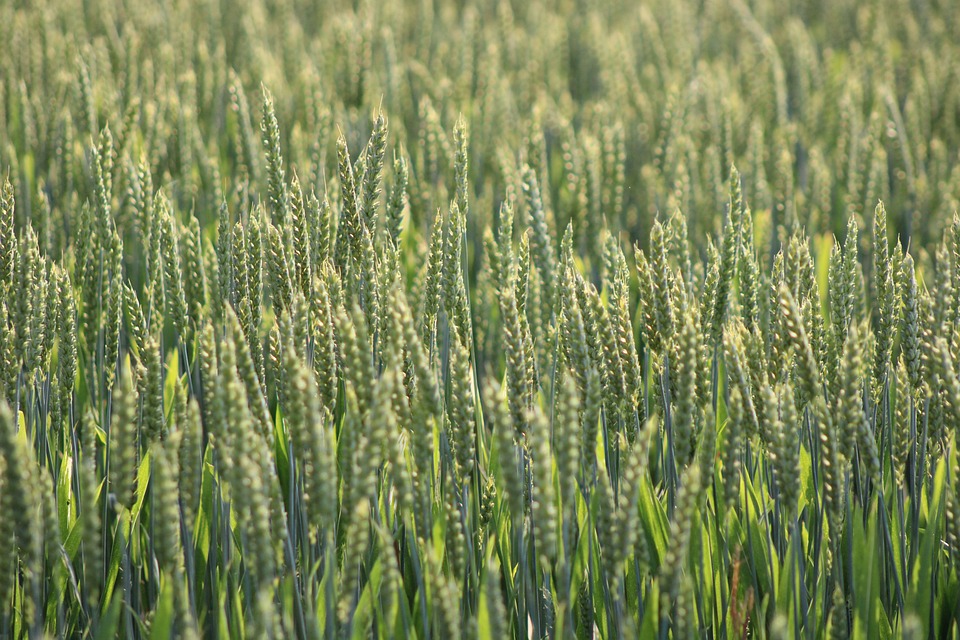
In Assam and Northeast India, where agriculture is a cornerstone of the economy, integrating AI into farming practices holds significant promise. The region faces challenges such as unpredictable weather patterns, soil degradation, and limited access to modern farming techniques. AI can address these issues by providing farmers with tools for precise weather forecasting, soil health monitoring, and efficient resource management. For example, AI-powered smart irrigation systems can optimize water usage, which is crucial in areas facing water scarcity. (farmonaut.com)

In the lush, undulating landscapes of Assam and Northeast India, agriculture isn’t just an occupation-it’s the heartbeat of the community. Yet, this age-old practice faces modern challenges: erratic weather patterns, soil degradation, and the pressing need for efficient resource management. Enter artificial intelligence (AI), a transformative force poised to revolutionize farming in the region.
Consider the story of AgSpert, an agri-tech startup born from the minds of IIT Guwahati students and alumni. They introduced AgSpeak, a multilingual mobile application designed to empower farmers with AI-driven insights. By analyzing hyper-local crop data, AgSpeak predicts threats like potato blight and tea mosquito bugs, offering timely alerts and best practices. This isn’t just technology for technology’s sake; it’s a lifeline for farmers striving to adapt to a changing climate.
But the innovation doesn’t stop there. The Assam government, recognizing the potential of AI, has embarked on ambitious projects to integrate it into agriculture. In 2025, they launched an AI-based Crop Monitoring System (AICMS) aimed at enhancing productivity and sustainability. This system employs satellite imagery, machine learning models, and IoT sensors to monitor soil health, weather patterns, and pest infestations in real-time. The goal? To provide farmers with actionable insights that can prevent crop losses and optimize yields.
The North Eastern Council (NEC) has also thrown its weight behind technological interventions. In June 2025, they unveiled a ₹11.37 crore initiative for Arunachal Pradesh, featuring a smart agriculture mission titled “Technological Intervention using Artificial Intelligence and Internet of Things for Smart Agriculture in North East India.” Spearheaded by the North Eastern Regional Institute of Science & Technology (NERIST), this project aims to modernize agriculture by integrating real-time monitoring and AI-powered analytics into farming practices. Scheduled for completion by April 2028, the three-year project will deploy advanced sensors and a mobile app to give farmers 24×7 access to critical data-including soil moisture, temperature, humidity, and crop health. This real-time intelligence will allow farmers to detect problems early, manage resources more efficiently, and improve yields, especially in remote and rural areas.
These initiatives are more than just technological upgrades; they’re lifelines for farmers grappling with the unpredictability of climate change. Assam, with its rich agricultural heritage, stands at a crossroads. The integration of AI into farming practices isn’t merely a trend; it’s a necessity. By embracing these technologies, farmers can make informed decisions, reduce dependency on manual labor, and enhance self-reliance.
However, the journey isn’t without its hurdles. The digital divide remains a significant challenge. While urban centers may have access to high-speed internet and advanced technologies, rural areas often lag behind. To bridge this gap, it’s imperative to invest in digital literacy programs, improve internet connectivity, and ensure that technological solutions are accessible and affordable for all farmers.
Moreover, there’s a need for localized solutions. While global technologies offer promise, they must be tailored to the unique challenges of Northeast India. This means considering factors like soil types, crop varieties, and local climatic conditions. Collaborations between tech companies, research institutions, and local farmers are crucial to develop solutions that are both effective and contextually relevant.
The potential benefits of AI in agriculture are immense. Beyond increasing productivity, AI can help in precision farming, ensuring optimal use of resources like water, fertilizers, and pesticides. It can also aid in early detection of diseases and pests, reducing crop losses and minimizing the use of harmful chemicals. Furthermore, AI can provide valuable data for policy-making, helping governments design better support systems for farmers.
In a region where agriculture is deeply intertwined with culture and identity, the fusion of tradition and technology offers a beacon of hope. By harnessing the power of AI, Assam and Northeast India can pave the way for a sustainable and prosperous agricultural future.
Takeaways:
-
Empowering Farmers: AI-driven tools like AgSpeak provide farmers with timely insights, enabling proactive decision-making and resource optimization.
-
Government Initiatives: Substantial investments by the Assam government and NEC underscore a commitment to integrating technology into agriculture for enhanced productivity and sustainability.
- Bridging the Digital Divide: Addressing challenges like digital literacy and infrastructure is crucial to ensure that technological advancements benefit all farmers, especially in rural areas.
As we stand on the cusp of this technological revolution, one question lingers: Will the embrace of AI in agriculture be the catalyst that propels Assam and Northeast India into a new era of sustainable prosperity?
About the Author
Sanjeev Sarma is the Founder Director of Webx Technologies Private Limited, a leading Technology Consulting firm with over two decades of experience. A seasoned technology strategist and Chief Software Architect, he specializes in Enterprise Software Architecture, Cloud-Native Applications, AI-Driven Platforms, and Mobile-First Solutions. Recognized as a "Technology Hero" by Microsoft for his pioneering work in e-Governance, Sanjeev actively advises state and central technology committees, including the Advisory Board for STPI and NIELIT. He is also the Managing Editor for Mahabahu.com, an international journal. Passionate about fostering innovation, he actively mentors aspiring entrepreneurs and leads transformative digital solutions for enterprises and government sectors from his base in Northeast India.