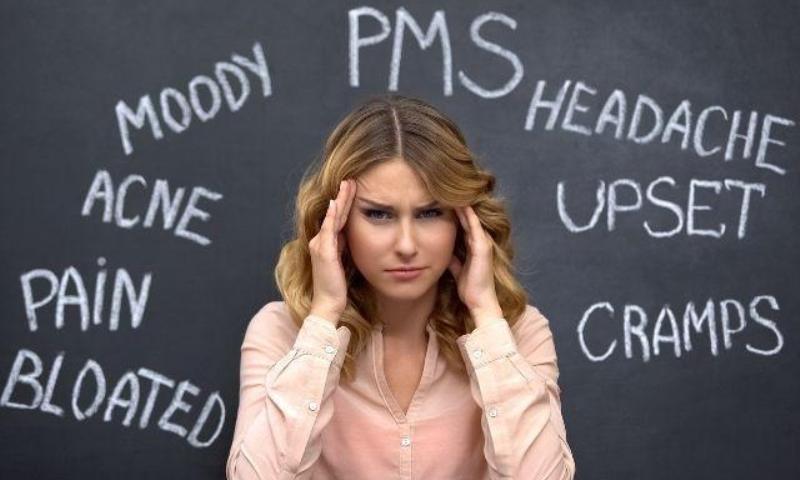

Hormones may be invisible, but when they’re out of balance, your body makes it known. For women in their 20s and 30s, early detection of hormonal imbalances can significantly enhance physical, mental, and emotional health. From mood swings to irregular periods, recognizing the symptoms and taking proactive measures can help regain control.
Hormonal imbalances manifest differently among women, with certain unmistakable signs that require attention. If you’re experiencing any of these symptoms frequently, your hormones may be out of sync: irregular or painful periods, sudden weight gain or challenges in losing weight, chronic fatigue or mental fog, mood fluctuations alongside anxiety or depression, acne or abnormal hair growth, sleep disturbances, and a decrease in libido. While some symptoms might stem from lifestyle choices or medical issues, a combination of these signals often points to an imbalance involving hormones like estrogen, progesterone, thyroid hormones, or cortisol.
Women in their 20s and 30s can be particularly susceptible to hormonal issues, a common misconception is that these problems only arise during menopause. This age group faces various stressors, including work, academic pressures, and relationship challenges, as well as lifestyle factors such as poor diets that include skipped meals and excessive caffeine. Over-exercising or leading a sedentary lifestyle, sleep deprivation, use of birth control or other medications, and underlying conditions like PCOS or thyroid disorders can also play significant roles. Additionally, women’s bodies are more sensitive to hormonal shifts during these years, influenced by menstruation, career pressures, and family planning.
Diet plays a crucial role in hormonal health. Consuming foods rich in fiber, healthy fats, and protein can support hormonal balance, whereas excessive sugar, caffeine, and processed foods may disrupt insulin and cortisol levels. Key hormone-friendly foods to incorporate include leafy greens, cruciferous vegetables like broccoli, whole grains such as oats and quinoa, omega-3-rich options like flaxseeds and fish, and herbal teas, including spearmint or chamomile. Adequate hydration is also essential for supporting metabolism and detoxification.
Exercise acts as a natural regulator of hormones. Physical activity helps manage levels of estrogen, insulin, and cortisol, but moderation is key. Overdoing high-intensity workouts can elevate stress hormones. Balancing workout routines with gentle yoga, strength training, leisurely walking, dancing, or moderate cardio can enhance mood, sleep, and menstrual health, all vital for hormonal balance.
Chronic stress is a significant yet often overlooked hormonal disruptor. Elevated cortisol levels can disturb various bodily functions, including menstrual cycles and gut health. Effective stress management should be prioritized and can include deep breathing exercises, digital detoxes, journaling, maintaining a regular sleep schedule, and the ability to say “no” when necessary.
Listening to your body’s signals is essential. If you suspect a hormonal imbalance, consulting a gynecologist or endocrinologist can provide direction. Blood tests, symptom tracking, and lifestyle adjustments can pave the way toward restoring balance. Remember, you’re not overreacting; your hormones are trying to communicate. Take the time to care for yourself-your 20s and 30s are meant for thriving, not just surviving.
Original Source: https://nenow.in/health/how-to-spot-hormonal-imbalances-a-guide-for-women-in-their-20s-and-30s.html
Category: Health,Lifestyle
Tags:
Publish Date: 2025-06-26 15:44:00