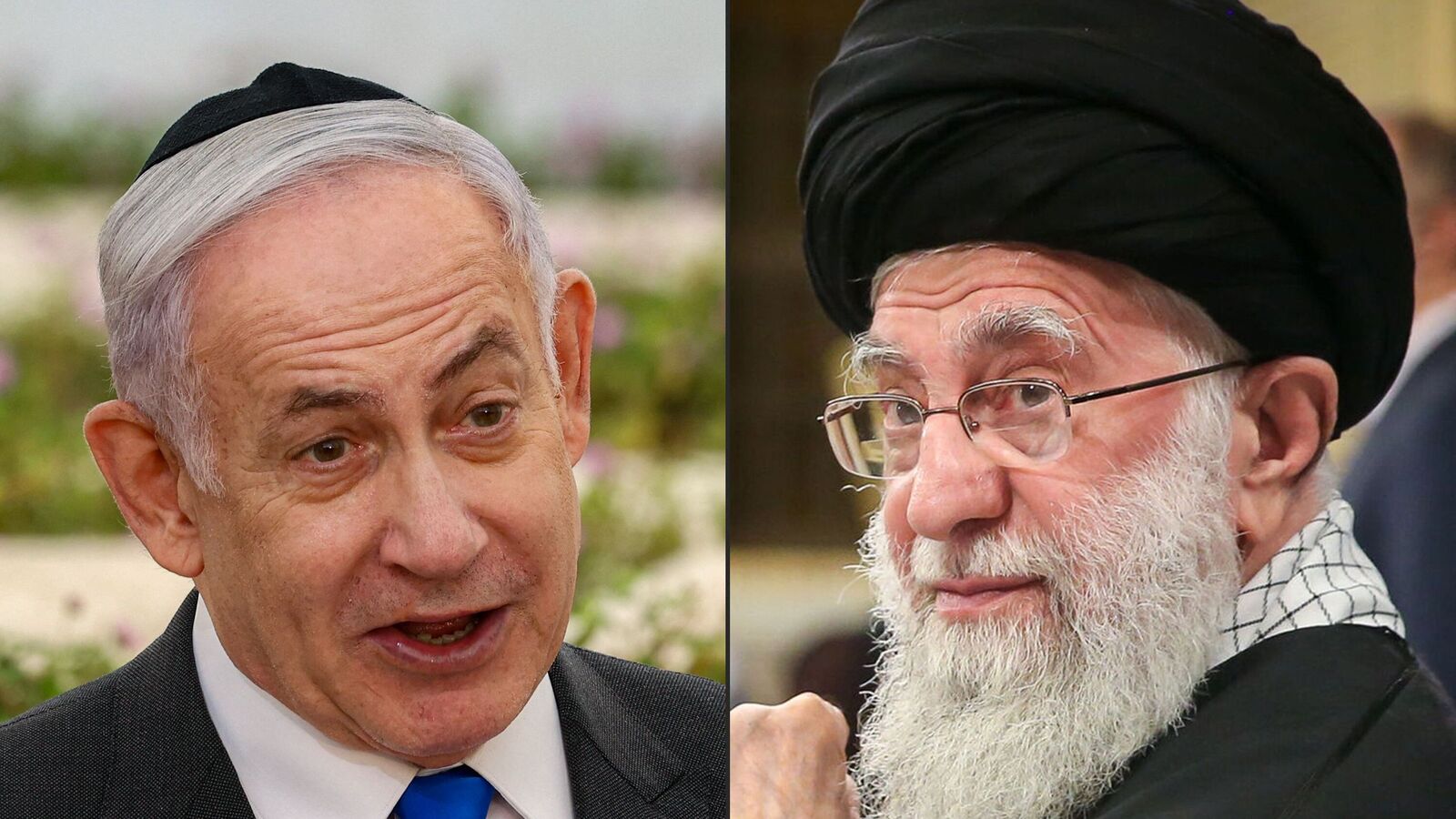

Tensions in the Middle East have taken a dramatic turn as the long-anticipated Israel-Iran conflict has entered a phase of “total ceasefire.” A senior official in the White House confirmed that U.S. President Donald Trump engaged in a series of telephone calls with Israeli Prime Minister Benjamin Netanyahu. Meanwhile, Vice President JD Vance, Secretary of State Marco Rubio, and diplomat Steven Witkoff conducted both direct and indirect discussions with Iranian officials to facilitate this ceasefire, aimed at mitigating escalating hostilities.
The overarching question now is: who compromised first in this geopolitical chess match? The announcement of the ceasefire on Tuesday has spurred further inquiries regarding the factors leading to this breakthrough and the influence of international diplomacy in de-escalating tensions in the region.
Key to the ceasefire was the engagement of Qatar’s Prime Minister Sheikh Mohammed bin Abdulrahman Al Thani, who played a pivotal role in negotiating Iran’s agreement. Following an attack by Iran on a U.S. airbase in Qatar, the Qatari leader reached out to Iranian officials to convince Tehran to accept the U.S. proposal for a ceasefire. Reports indicate that Trump had previously informed Qatar’s emir that Israel was on board with the ceasefire and requested Qatar’s assistance in persuading Iran.
Additional efforts from U.S. officials, including Vance, Rubio, and Witkoff, also contributed significantly to easing the situation, according to another White House source. This official emphasized that Israel was willing to comply with a ceasefire provided Iran refrained from launching more attacks. Significantly, Iran indicated its intent to adhere to the agreement as well.
However, just hours prior to the ceasefire announcement, Israeli officials hinted at plans to conclude military operations in Iran. This message was communicated to the U.S., creating a complex backdrop to the unfolding events. Concurrently, Iranian Foreign Minister Abbas Araghchi stated that Tehran would halt operations if Israel did the same.
In a direct response to Trump announcing the ceasefire, Supreme Leader Ayatollah Ali Khamenei asserted that Iran would not be yielding in this scenario. “Those who know the Iranian people and their history know that the Iranian nation isn’t a nation that surrenders,” he stated, suggesting that Iran was not the party to back down first. The extent of Khamenei’s involvement in the ceasefire negotiations remains ambiguous, adding another layer of intrigue to the diplomatic discourse.
As the region collectively breathes a sigh of relief following this ceasefire, it’s clear that the geopolitical landscape remains fraught with complexities. The interplay of international diplomacy, direct negotiations, and strategic communication will continue to shape the dynamics between Israel and Iran. The situation is fluid, and the world will be watching closely to see how both nations navigate this pivotal moment in their histories.
Original Source: https://www.livemint.com/news/israeliran-war-eases-with-total-ceasefire-who-blinked-first-netanyahu-khamenei-and-how-did-the-breakthrough-happen-11750726464436.html
Category :
Tags:
Publish Date: 2025-06-24 07:11:00