Unveiling NATO’s Bold 5% Defense Spending Target: What It Means for Global Security and Strength

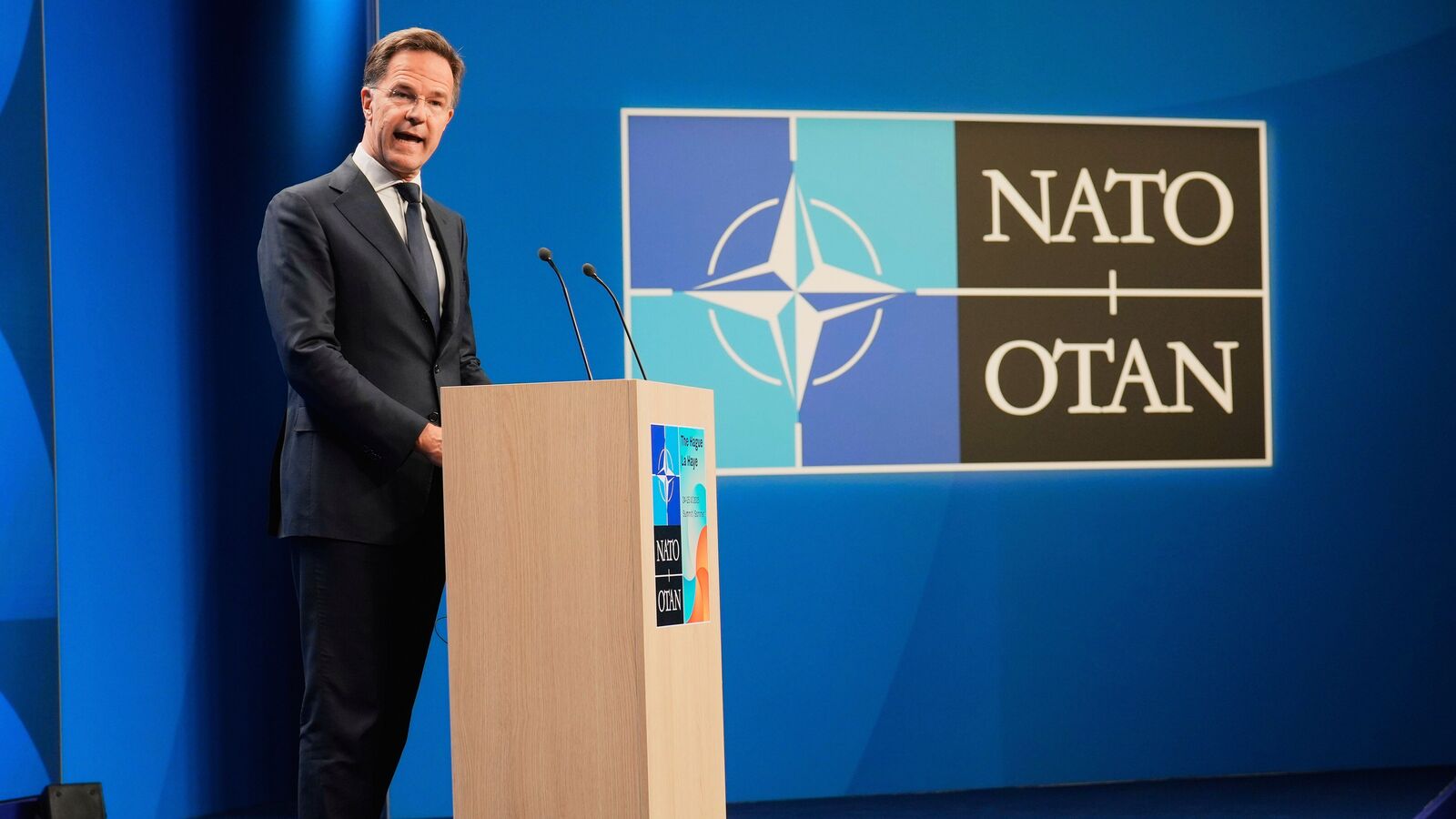
NATO leaders are poised to approve a groundbreaking increase in defence spending at a crucial summit in The Hague on June 24, responding to escalating geopolitical tensions and pressure from U.S. President Donald Trump. The proposed agreement will set a new benchmark, requiring member states to dedicate 5% of their Gross Domestic Product (GDP) to defence and security investments by 2035, a significant leap from the current 2% target.
The ambitious 5% spending goal is structured into two components: 3.5% of GDP will be allocated to core defence, encompassing troops, weapons systems, and combat readiness-moving beyond the existing 2% focus. The remaining 1.5% will be earmarked for broader security investments, which include cyber defence, military infrastructure upgrades, and energy security. This expansive definition addresses modern security challenges, particularly the need to counter hybrid threats and protect critical supply chains.
While 22 of NATO’s 32 members already meet or exceed the 2% defence target, the transition to a 5% threshold represents a substantial shift. In 2024, collective NATO spending on defence totaled 2.61% of GDP, with considerable disparities among member states. Notably, Poland exceeded 4%, whereas Spain fell short, spending less than 1.3%. Had all members allocated 3.5% to core defence in the previous year, total spending could have exceeded $1.75 trillion, compared to the actual $1.3 trillion.
To fulfill this new target, member states are expected to make the necessary adjustments by 2035, with a review set for 2029 to assess progress and potentially recalibrate expectations. The impetus behind this increase stems from a mix of factors, including concerns over Russia’s ongoing war in Ukraine and the looming threat of broader military conflict in the coming five years. Additionally, there are fears about a potential reduction of U.S. forces in Europe, especially if Trump were to return to the presidency, alongside a wider evaluation of Europe’s self-defence capabilities.
“NATO must prepare for a future in which it has to take on more responsibility,” emphasized Secretary-General Mark Rutte, highlighting urgent needs in areas such as air defence, tanks, drones, and personnel.
Although the agreement enjoys widespread support, some nations have voiced reservations. Spanish Prime Minister Pedro Sanchez, while endorsing the final communiqué, stated that Spain would only aim for a modest 2.1% of its GDP for defence. Despite such dissenting opinions, NATO officials maintain that there are no opt-outs, and adherence to national defence spending targets will be closely monitored.
This pivotal moment in NATO’s history reflects the alliance’s commitment to adapting to an increasingly volatile global landscape. The ambitious plans not only reaffirm the collective defence strategy but also indicate a pressing need for heightened readiness amid growing security challenges. As discussions unfold, the focus will remain on ensuring that member states collaboratively bolster their defence capabilities, preparing for an uncertain future where collective security is paramount.
Original Source: https://www.livemint.com/news/world/natos-new-5-defence-spending-target-and-what-it-means-explained-11750713442834.html
Category :
Tags:
Publish Date: 2025-06-24 02:54:00