Emergency Ceasefire Request: Ishaq Dar Reveals How India’s Airstrike on Pakistan’s Bases Shook Our Nation!

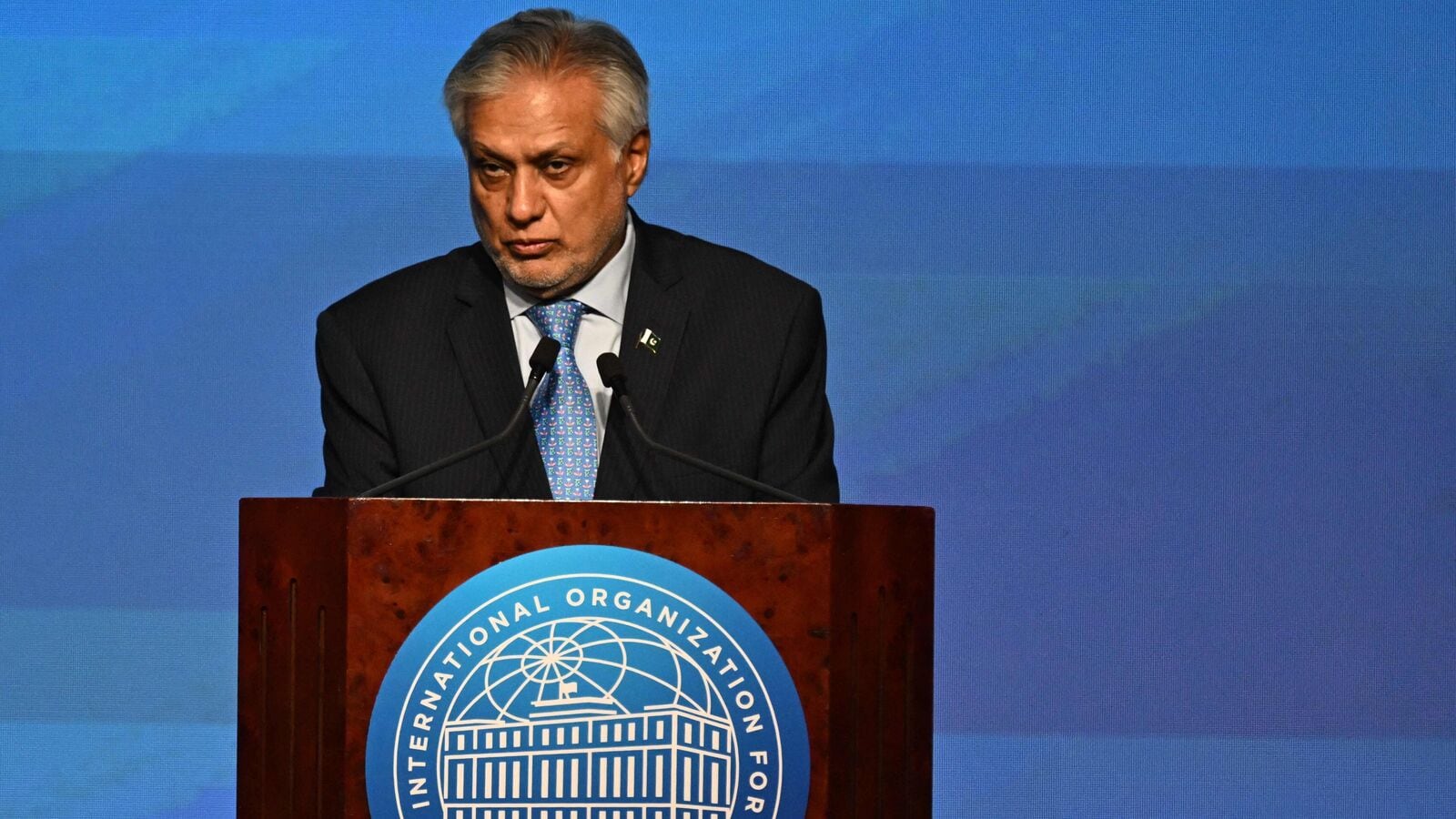
Pakistan’s Deputy Prime Minister Ishaq Dar confirmed that Islamabad requested a ceasefire following missile strikes by India on two significant air bases, Nur Khan and Shorkot, located in Rawalpindi and Punjab province. During a televised interview, Dar stated, “Unfortunately, India once again launched missile strikes at 2:30 am,” referring to the targeted attacks as part of ‘Operation Sindoor’.
In widely shared footage, Dar recounted a conversation with Saudi Prince Faisal, who reached out shortly after the missile strikes. The prince had learned about Dar’s discussions with U.S. Secretary of State Marco Rubio and proposed he communicate with India’s External Affairs Minister S. Jaishankar to negotiate a halt to hostilities. Dar indicated approval for the outreach, stating, “I said yes, brother, you can.”
On May 7, India executed precision attacks on terror infrastructure in Pakistan and Pakistan-administered Kashmir in response to a deadly terror assault in Pahalgam on April 22, which claimed the lives of 26 people. Following these events, Pakistan attempted counterattacks against Indian military installations on May 8, 9, and 10. India’s robust response inflicted considerable damage on key Pakistani military sites, including air bases, air defense systems, and command centers.
On May 10, India’s Foreign Secretary Vikram Misri announced an agreement between India and Pakistan to cease all military actions across land, air, and sea effective immediately. This ceasefire has led Dar to declare, on June 4, that the chance of renewed armed conflict between the neighboring nations is unlikely. “The ceasefire is holding, and all steps regarding the withdrawal of troops have been implemented by both sides in letter and spirit,” he commented. However, he emphasized that Pakistan would respond decisively should India engage in armed conflict.
Dar elaborated on Pakistan’s willingness to dialogue with India but clarified that the nation is not desperate for negotiations. He underscored Pakistan’s call for a comprehensive dialogue that addresses various issues, including terrorism and the Indus Waters Treaty (IWT). Furthermore, he reiterated Pakistan’s invitation for a neutral probe regarding the Pahalgam incident, which escalated tensions between the two countries.
The Deputy Prime Minister acknowledged the international support Pakistan has received during this strained period, particularly from the U.S., UK, Saudi Arabia, UAE, and Qatar. He expressed appreciation for their roles in facilitating peace amidst rising tensions, highlighting that Pakistan’s diplomatic endeavours have garnered global recognition alongside its military response.
In summary, Dar’s remarks paint a picture of cautious optimism regarding peace, while maintaining that Pakistan remains prepared for any necessary defense. As regional dynamics evolve, the prospect of diplomatic engagement continues to be a priority for Pakistan, albeit with an emphasis on mutual respect and addressing core issues.
This nuanced situation underscores the fragile nature of South Asian geopolitics, where military actions and stakeholder dialogues intertwine, necessitating ongoing vigilance and diplomatic effort.
Original Source: https://www.livemint.com/news/india/pakistans-big-admission-indias-strike-on-air-bases-forced-us-to-request-ceasefire-says-deputy-pm-ishaq-dar-11750414154905.html
Category :
Tags:
Publish Date: 2025-06-20 16:27:00