Unveiling History: The First Indian Epigraphical Reference to Halley’s Comet in a Stunning 15th Century Copper Plate Inscription

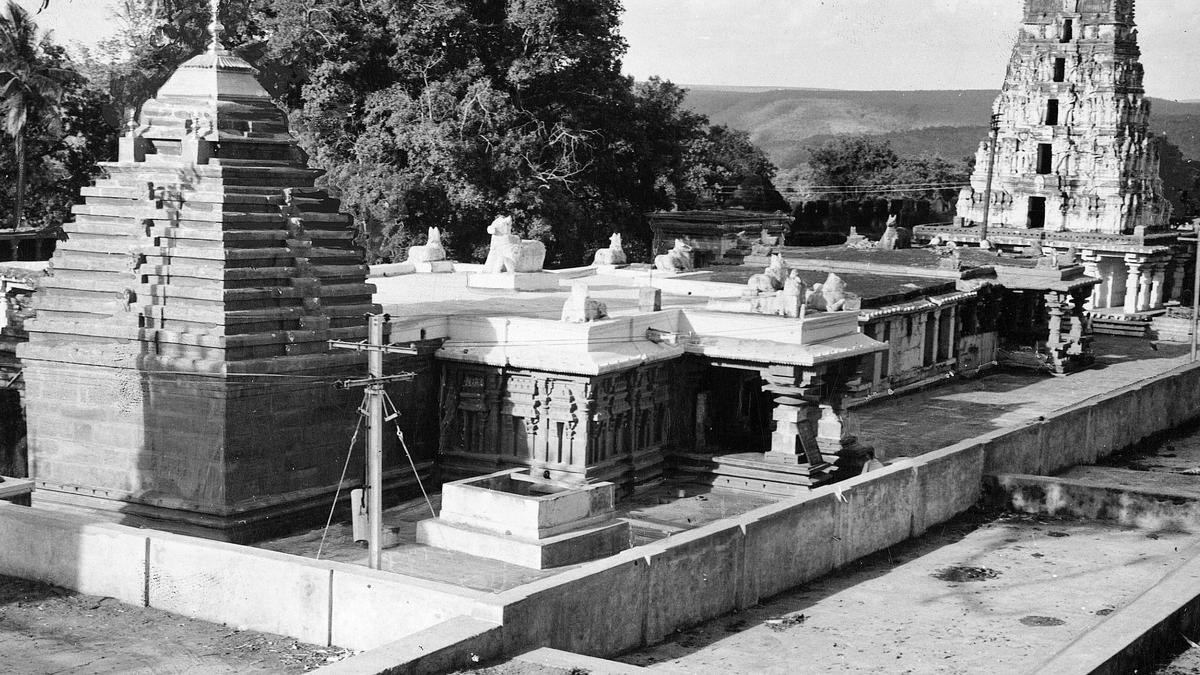
In a remarkable archaeological discovery, the first epigraphical reference to Halley’s comet has been identified in a copper plate inscription dating back to 1456 CE. This significant finding was made at the Sri Mallikarjunaswamy temple in Srisailam, Andhra Pradesh, and has been announced by Dr. K. Munirathnam Reddy, the Director of the Epigraphy Branch of the Archaeological Survey of India (ASI).
The inscription, written in Sanskrit and inscribed in Nagari script, details the appearance of a comet and a related meteor shower-events that historically align with Halley’s comet’s appearance in 1456. As Dr. Reddy explained, the text documents a royal grant issued by Vijayanagara ruler Mallikarjuna. The inscription specifies that the grant was made “to mitigate the great calamity believed to arise due to the appearance of a comet,” a sentiment echoed in cultures around the world, historically associating such celestial events with misfortune.
This particular grant was made on Śaka 1378, Dhātru Āshāḍha ba. 11, which corresponds to June 28, 1456. The king allocated the village of Simgapura from the region known as Kelajhasima in Hastinavati Vemṭhe to a Vedic scholar named Limgaṇarya from Kaḍiyalapura. Dr. Reddy noted that this location likely represents modern Kaḍiyapulanka in the Cuddapah district. The scholar is presumed to have had a strong background in astronomy, making the inscription’s content particularly pertinent.
Dr. Reddy emphasized that although ancient and medieval Indian texts do mention “dhumaketus” or comets, this inscription serves as the first recorded mention in an epigraphical context. “What makes this particularly significant,” he remarked, “is that the year indicated in the inscription aligns precisely with when Halley’s comet was historically noted to have appeared.” This synchronization underscores the cultural and astronomical awareness of that era.
In traditional belief systems, the appearance of comets and meteor showers has often been seen as a harbinger of calamity. Dr. Reddy highlighted the inscription’s poignant expression of these beliefs with the phrase, “Prakāśyāya mahōtpāta śāntyartham dattavān vibhuḥ”—meaning the grant was issued “to pacify the calamities that may arise due to the illuminating comets and meteor shower upon the king and his kingdom.”
This groundbreaking discovery arose during meticulous “line by line” editing of a collection of 21 unpublished copper plate charters housed at the Srisailam temple. The entire compilation, which includes 78 copper leaves, is set to be published in book form soon, offering further insights into this fascinating period of Indian history.
The profound implications of this discovery not only enhance our understanding of the historical presence and interpretations of comets in Indian culture but also contribute significantly to the broader narrative of astronomy’s influence on society during the Vijayanagara era.
In summary, the inscription serves as a testament to the intersection of royal authority, scholarly pursuit, and celestial phenomena, marking an exciting chapter in the annals of both archaeology and astronomy.
Original Source: https://www.thehindu.com/news/national/karnataka/first-indian-epigraphical-reference-to-halleys-comet-found-in-15th-century-copper-plate-inscription-in-mallikarjunaswamy-temple-srisailam/article69716261.ece
Category :
Tags:
Publish Date: 2025-06-20 10:45:00