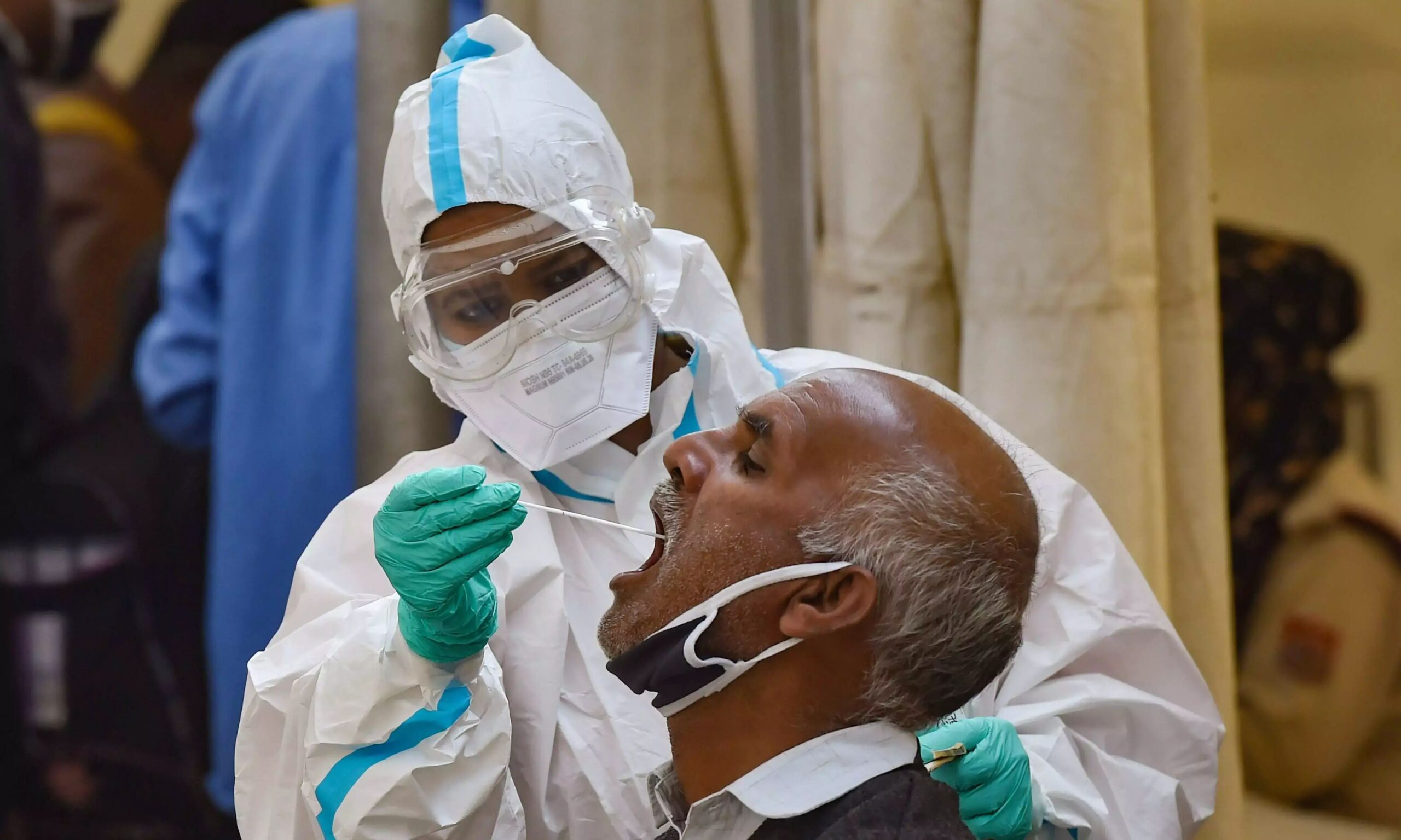

Even though COVID-19 is no longer classified as a global emergency, the virus continues to resurface in sporadic waves, keeping public health systems on high alert. Currently, Assam has reported eight active COVID-19 cases, putting the state once again under scrutiny for public health monitoring. At a national level, India is grappling with over 6,000 active cases and 65 recent deaths linked to the latest surge. The Indian Council of Medical Research (ICMR) has identified the JN.1 Omicron subvariant as the primary strain fueling this increase, alongside other variants such as LF.7, XFG, and NB.1.8.1. Although these strains are more transmissible, they are generally regarded as less severe.
“There’s no cause for panic, but we must remain vigilant and prepared,” emphasized ICMR Director General Dr. Rajeev Bahl, acknowledging that the current severity of cases has remained low, particularly among individuals without co-morbidities.
With the monsoon season approaching-historically linked to a rise in infections-public health experts stress that preparedness must not diminish. In Assam, mock drills have been conducted at significant healthcare facilities, including the Baidyabori sub-health center in Morigaon district and various hospitals in Darrang, to assess emergency response measures and the readiness of frontline staff.
As the state ramps up its defenses, a pressing question arises: how prepared is Guwahati, the most populous city in Assam, to handle a potential resurgence of the virus?
Hospitals across Guwahati are taking the saying “once bitten, twice shy” to heart as COVID-19 cases rise nationally. Dr. Sashibha Barman, MD and Deputy Medical Superintendent at Nemcare Hospitals Private Limited, describes a proactive stance: “Hospitals are far better prepared now. During the first wave, there was confusion; today, most hospitals-including ours-have dedicated COVID-19 wards and a fully equipped RT-PCR lab that provides results in just 3 to 4 hours. So far, we haven’t detected any active cases in this wave, but we are ready.”
Dr. Barman also highlighted the significance of educating patients. “We offer counseling to help patients recognize COVID-like symptoms and what steps to take next,” she noted, encouraging the media to aid in disseminating this information.
At Gauhati Medical College and Hospital (GMCH), similar protocols are in place. Dr. Manashjyoti Saikia, Assistant Professor of Pulmonary Medicine, explains that the current variant is highly contagious but not severe, mimicking symptoms of the common cold like fever and flu. GMCH has a dedicated unit prepared for any escalation of cases. He cautioned that vulnerable groups-particularly the elderly and individuals with conditions such as cancer or respiratory issues-should remain alert. Vaccination and booster shots are crucial, as many have skipped boosters, which poses risks. The hospital also urges the public to resume wearing masks and maintaining hand hygiene.
Beyond hospitals, educational institutions are readying themselves for possible disruptions. Sister Jessy Nedumala, Principal of St. Mary’s School, expressed concern over a potential return to online classes. “If mandated by the government, we will comply. However, online learning adversely impacts young children, as teachers struggle to monitor engagement. Post-pandemic, mobile addiction among students is a significant concern,” she remarked. She also observed that academic assessments suffered during online testing, making evaluations challenging.
Papori Mahanta, a private school teacher, shared similar sentiments about online teaching. “It’s challenging; students often get distracted at home and may not focus during assessments, making it hard to gauge their understanding.”
Conversely, Fr. George Thomas, Principal of SFS School, stated that his institution has embraced digital learning fully. “We are 101% prepared for COVID-19. We resumed online classes due to floods and were early adopters of virtual parent-teacher meetings. Remarkably, our offline exam results improved following a full year of online learning,” he noted, adding that the school continues to hold online classes monthly.
While new COVID-19 cases in Assam and neighboring states have not resulted in severe outcomes, they serve as a vital reminder that the battle against COVID-19 is ongoing. The virus may no longer incite global panic, but it continues to test our readiness. Now, more than ever, preparedness serves as our strongest defense.
Original Source: https://assamtribune.com/guwahati/as-covid-19-cases-rise-guwahati-hospitals-on-alert-schools-ready-for-digital-shift-1580325
Category: Guwahati,Featured,More
Tags:
Publish Date: 2025-06-08 20:01:00