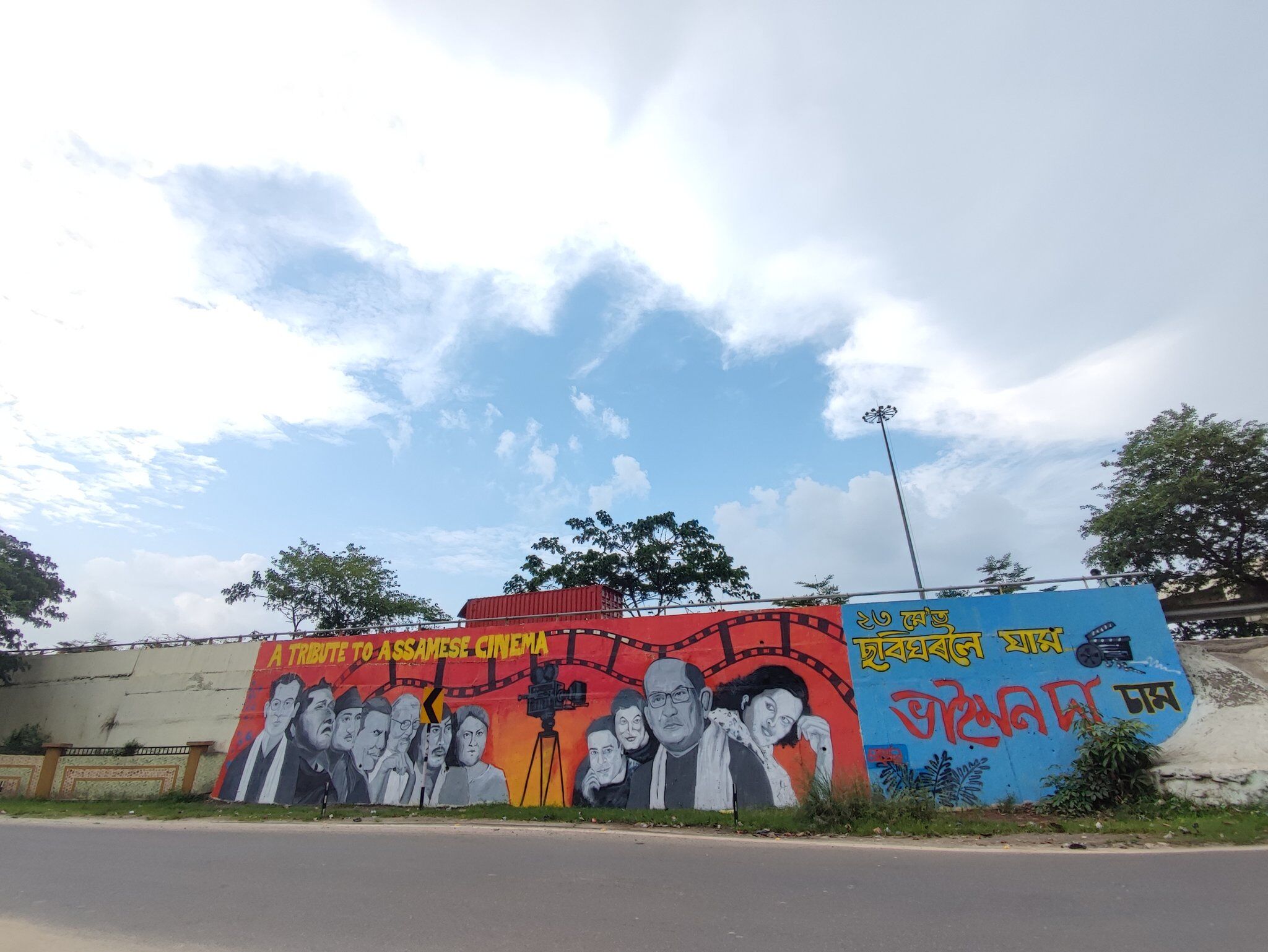

Guwahati, May 28: Piracy is a growing threat to the film industry, affecting everything from Bollywood and Hollywood to local cinema. This issue not only depletes the finances of filmmakers but also diminishes the overall movie-going experience. The latest casualty is Bhaimon Da, a groundbreaking Assamese biopic about renowned director Munin Barua.
Upon its debut, Bhaimon Da received positive reviews. However, just days after its release, unauthorized clips began circulating on social media platforms like Instagram and Facebook, with many recorded covertly in theaters. “The movie had just been released when we found pages uploading scene-by-scene clips. We reported the account, and Instagram took it down — but the same clips resurfaced on another page,” expressed Sasanka Sameer, the film’s director and writer. He shared his frustration, adding, “Just the day before, someone went live on Facebook while watching the movie in a theatre. We reported it to the police, and the person is now in custody.”
Unfortunately, this situation is not unique. Other successful Assamese films, such as Sri Raghupati, directed by Suvrat Sarma and featuring actor Ravi Sarma, have encountered similar piracy issues. Clips from Sri Raghupati also circulated widely on social media, with Telegram groups sharing links to pirated versions for free.
Ravi Sarma provided a different perspective on piracy. “Many people who share these videos don’t always have malicious intent. Some genuinely want to promote the film. When we reach out and politely ask them to take the videos down, they usually comply without resistance.” However, not everyone is cooperative. “Some refuse to delete the clips due to personal gain. In such cases, we have no choice but to contact cybersecurity officials and pursue legal action,” he noted.
Interestingly, Sarma does not believe that piracy significantly impacts box office sales. “People who navigate through traffic, find parking, and buy tickets are the ones who genuinely aid the industry. Those who download movies illegally likely wouldn’t have watched them in theatres anyway,” he explained.
Notably, acclaimed writer and director Bhaskar Hazarika sees the audience’s pursuit of films-even illegally-as a type of flattery. “It’s heartening when people find ways to watch your movie,” he stated, while acknowledging that piracy adversely affects producers. “It eats into their earnings and discourages future investments. Ironically, it’s the audience that loses because fewer films get made. Piracy must be curbed, and the solution lies in audiences supporting cinema through legal avenues.”
Sarma highlighted accessibility as a genuine concern. “Some individuals in remote areas have no nearby theatres, making piracy their only option. We can’t blame the audience entirely.” His solution is straightforward: “The government needs to establish more local theatres in these locations. If cinemas were closer, many wouldn’t resort to piracy.”
These varied viewpoints reveal that the issue of piracy extends beyond a simple conflict between audiences and the industry; ultimately, it’s the audience that bears the brunt. The Assamese film industry is currently experiencing a vibrant phase, and it is crucial for the people of Assam to ensure that this cinematic growth extends beyond its borders without fading away.
Original Source: https://assamtribune.com/entertainment/piracy-hits-bhaimon-da-after-grand-release-reigniting-perennial-industry-debate-1579011
Category: Entertainment,Featured
Tags:
Publish Date: 2025-05-28 13:32:00