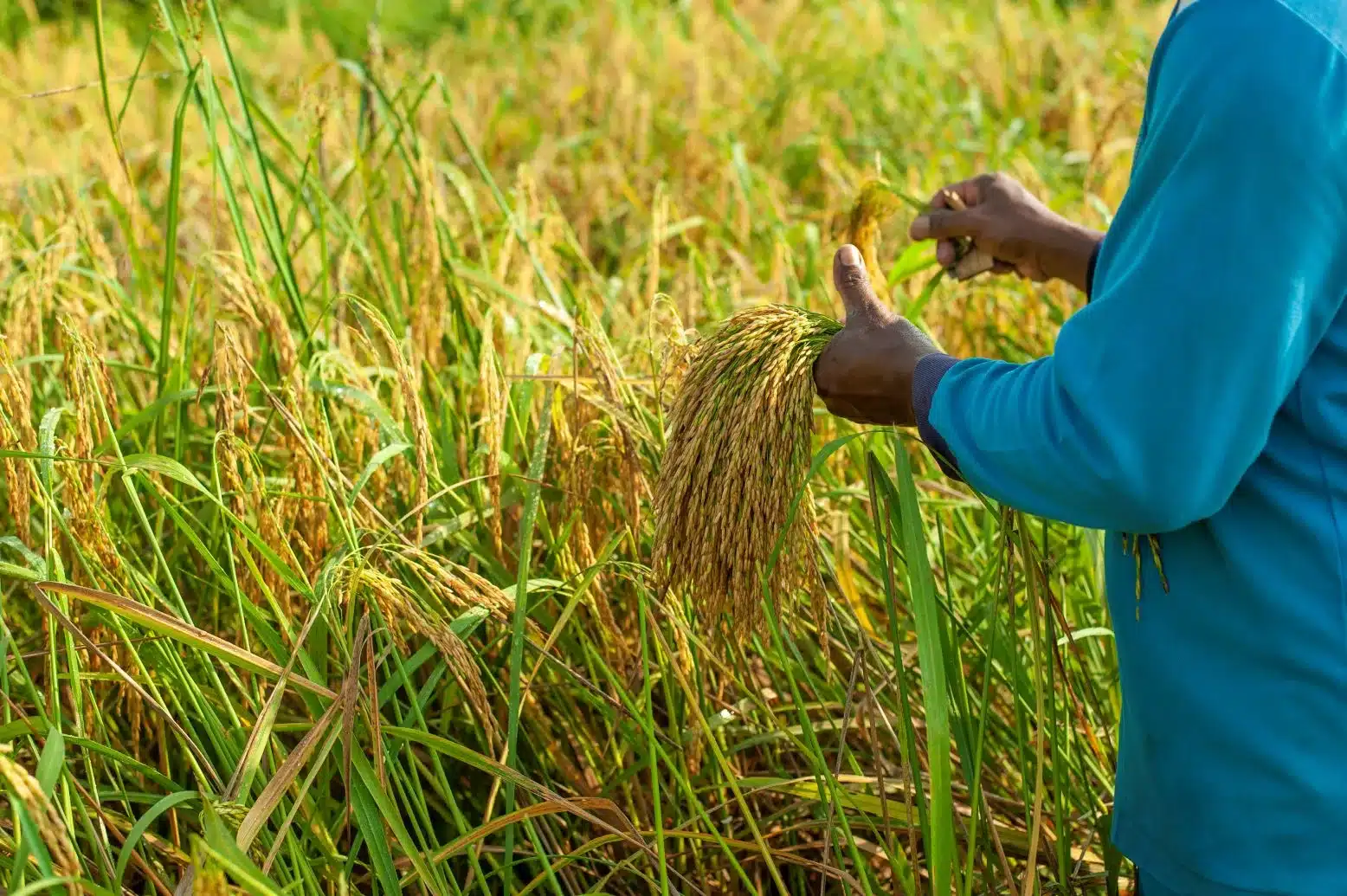
Revolutionizing Agriculture: Unveiling the Surprising Truths About Climate-Friendly Farming and Crop Yields

Farmers and policymakers have long championed regenerative farming as a solution to combat climate change while boosting crop yields by sequestering carbon in the soil. However, a revealing new study from Cornell University challenges this optimistic narrative, showing that while regenerative practices can mitigate climate impacts, they may also result in reduced crop yields in many scenarios.
The research employs sophisticated computer modeling to evaluate common regenerative techniques such as planting cover crops, minimizing tillage, and retaining plant residues in agricultural fields. The findings indicate that while the global adoption of these approaches can foster improved soil health and lower greenhouse gas emissions, achieving both environmental and yield benefits simultaneously is rare.
Lead author Shelby McClelland and principal investigator Dominic Woolf emphasize the study’s importance in providing vital guidance to farmers and sustainability experts. It helps them select the most appropriate practices based on their specific regional conditions. For example, grain crops cultivated on high-clay soils or in nutrient-deficient areas exhibit considerable potential for balancing climate advantages with yield maintenance.
Among the practices analyzed, cover crops—especially legumes—have been heavily promoted for their ability to enrich soil fertility and decrease carbon emissions. Yet the study reveals a critical tradeoff: while legume cover crops can enhance yields, they deliver significantly fewer climate benefits compared to grass cover crops. Conversely, utilizing grass cover crops alongside no-till farming effectively reduces greenhouse gas emissions but comes at the expense of significantly diminished harvests.
These findings highlight the intricacies involved in climate-smart agriculture, underscoring the need for localized strategies that align environmental goals with food production needs. With the global population steadily escalating, the researchers caution that prioritizing yield retention over carbon mitigation could diminish greenhouse gas reduction potential by as much as 85% by 2100.
Despite these challenges, the study provides a glimmer of hope. "For the first time, we have context-specific insights to help farmers tailor their practices in a way that works for both sustainability and food security," Woolf remarked. This research marks an essential advancement in refining climate adaptation strategies, ensuring that efforts to protect the planet do not undermine the imperative to feed an ever-growing world.
In summary, while regenerative farming practices have the potential to combat climate change, their impact on crop yields is complex—often requiring a delicate balance. As we navigate the dual pressures of climate action and food production, this study serves as a crucial roadmap for farmers aiming to balance sustainability with the practical demands of agriculture.
Journal Reference:
McClelland, S.C., Bossio, D., Gordon, D.R. et al. Managing climate and production goals on croplands. Nat. Clim. Chang. (2025). DOI: 10.1038/s41558-025-02337-7
Categories: Agriculture, Climate Change
Tags: Regenerative Farming, Crop Yields, Climate Mitigation, Sustainability, Soil Health
Original Source: https://www.techexplorist.com/assumptions-climate-friendly-farming-crop-yields/99465/
Category :
Tags:
Publish Date: 2025-05-19 17:07:00