Living Libraries: Embracing India’s Rich Cultural Legacy Through Oral Traditions

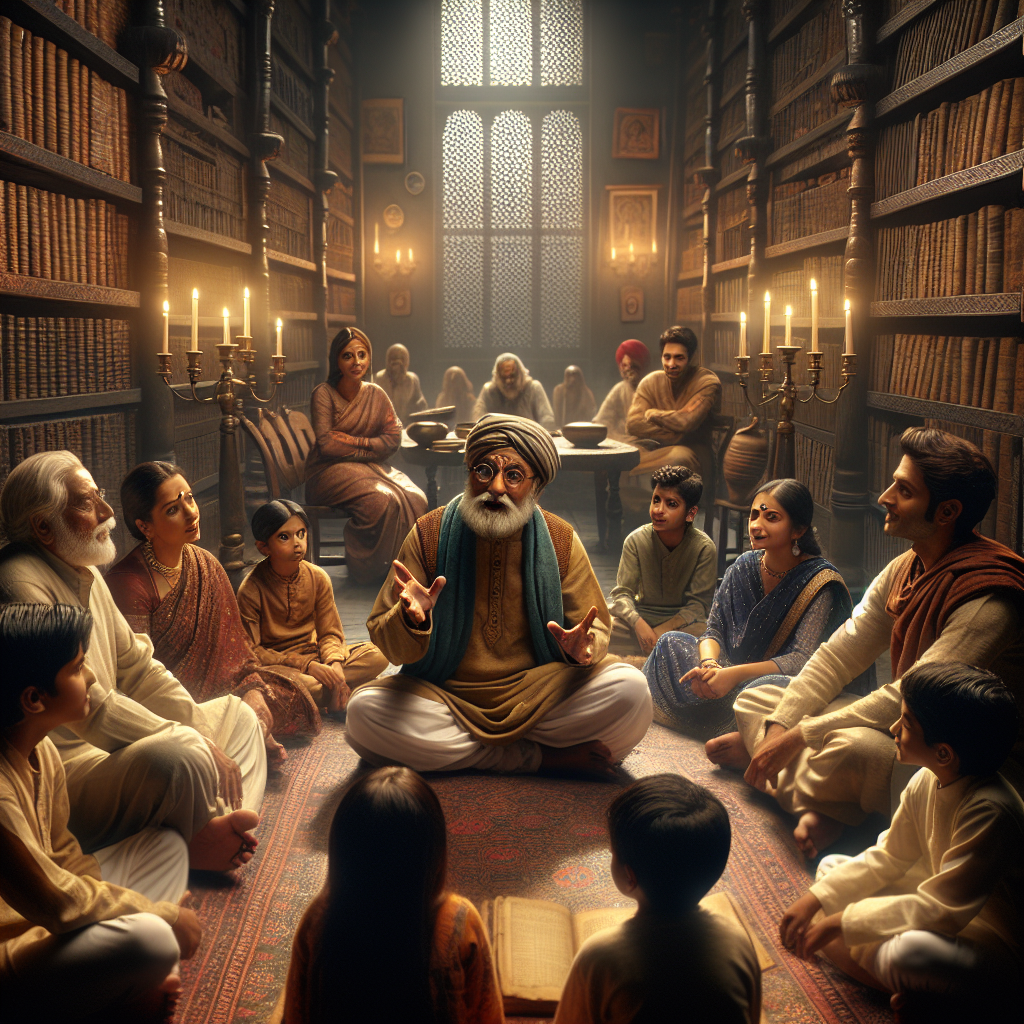
Imagine you’re sitting around a crackling fire in a small village in Meghalaya. The stars twinkle above, and the air is filled with the haunting strains of a folk song, accompanied by the rustle of leaves as the storyteller begins. People lean in, entranced, as ancient tales come to life—stories of brave ancestors, mythical creatures, and lessons about life and nature. This isn’t just entertainment; it’s a living library, where the cultural fabric of a community is woven into the very air. Through these oral traditions, India’s vast tapestry of heritage continues to thrive, and here we are, in the age of AI and digital transformation, challenged to preserve that legacy.
Oral traditions are like the heartbeats of different cultures. They embody history, values, and wisdom passed down through generations. For instance, the Bodos in Assam tell stories that not only reflect their struggles and triumphs but also their connection to the land and nature. These tales are not mere anecdotes; they’re guides for living, teaching the younger generation moral lessons and cultural practices that textbooks often overlook. The strength lies in their delivery—intimate, spontaneous, and deeply connected to the listener.
With the rise of technology, it’s tempting to view oral traditions as antiquated, maybe even obsolete. However, here’s where things get fascinating. Technologies like smartphones and social media are being embraced as tools for preserving and revitalizing these living libraries. Imagine recording a 90-year-old storyteller in their natural habitat and sharing their voice with the world via YouTube. Not only does this broaden the audience for these narratives, but it also ensures that they are not lost to time.
Take the case of the “Documenting the Folk Traditions of North East India” initiative. Local government bodies and universities are employing digital platforms to record oral histories. This isn’t just about preservation; it’s about empowerment. Young people, originally disinterested in their cultural roots, are now using these recordings as inspiration; they remix stories into modern art forms, breathing new life into age-old tales. Think about it: a traditional dance form, once thought to be confined to local festivals, now showcased in music videos that go viral, stirring a sense of pride among youth.
Preserving oral traditions is about more than just keeping stories alive; it’s about fostering identity. In a world dominated by rapid globalization, these stories remind us of who we are. They help maintain a sense of belonging amid digital distractions, grounding us in a reality that might otherwise be overshadowed by online personas and fleeting trends. Reflection is key—what stories have shaped your community? What lessons do they impart that are relevant today?
As we push into an uncertain future, we hold the power to bridge the ancient and modern. Picture a future where every village has a digital archive of its own oral traditions, accessible not just locally but globally. Schools could integrate these stories into their curriculums, cultivating a younger generation that feels a profound connection to their roots.
Our role lies not only in listening but also in sharing. As technology intertwines with tradition, let’s consider our part in keeping these narratives alive. Encourage conversations with your grandparents, participate in local storytelling nights, or even start a blog capturing these stories. The future of our culture depends on how we choose to engage with it today.
So next time you gather with family or friends, think of the stories waiting to be told. Like seeds, they hold the potential to grow into something beautiful. As we embrace our digital tools to foster these connections, we’re not just preserving history; we’re paving the way for a legacy rich in wisdom and community.
Author Profile:
Sanjeev Sarma is the Director of Software Services and Chief Software Architect at Webx Technologies Private Limited. Based in Northeast India, he is a passionate advocate for blending technology with cultural heritage. With a love for storytelling and a knack for demystifying complex tech topics, Sanjeev aims to inspire curiosity and bridge the gap between tradition and innovation.