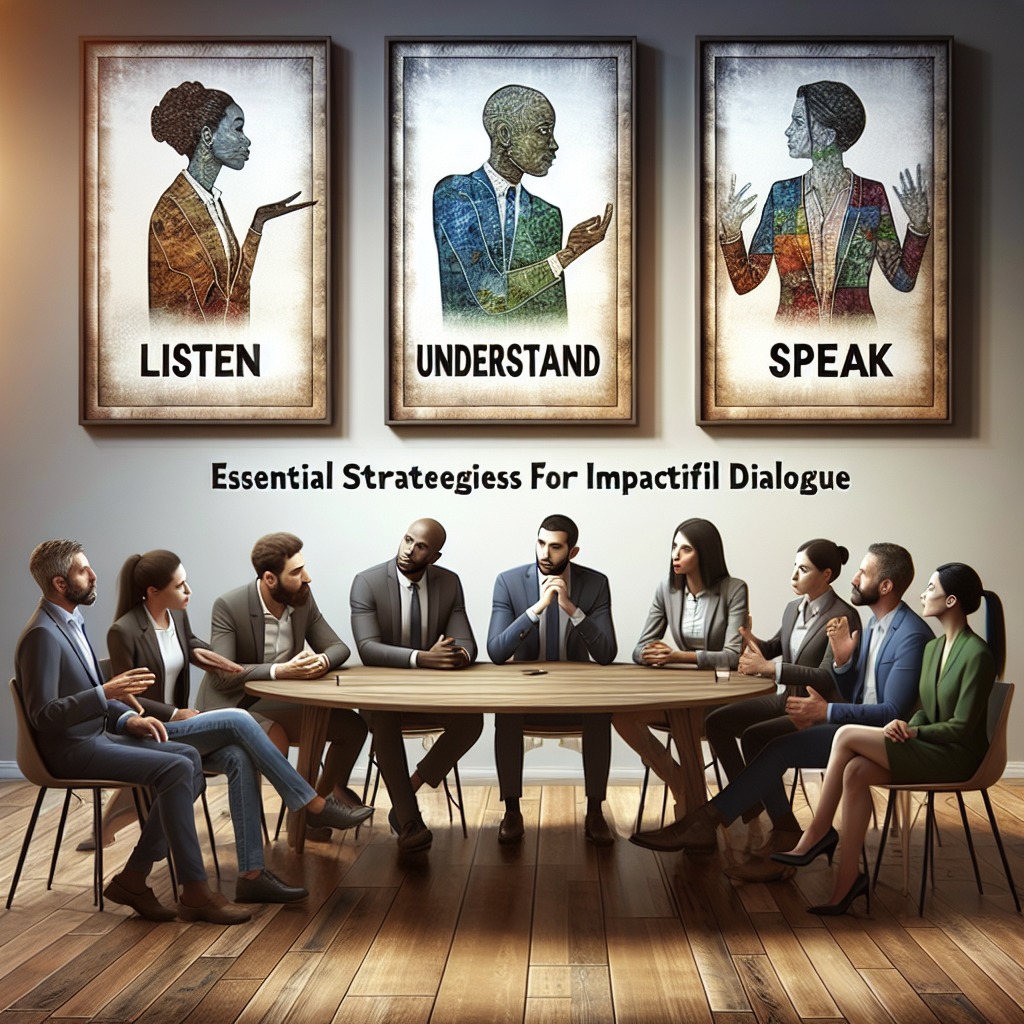
Mastering Difficult Conversations: Essential Strategies for Impactful Dialogue

Navigating difficult conversations often feels like walking a tightrope—one wrong shift, and you can tumble. Yet, these moments are crucial not just for resolving conflict but for fostering genuine connections, whether in business, friendship, or family. Think about it: when was the last time you left a tough conversation feeling like a champion? More often than not, it’s the awkward silences and hesitations that linger, leaving us drained and frustrated. But what if we could reframe these interactions, transforming them from potential pitfalls into bridges for understanding?
Let’s consider a recent experience. A few weeks ago, I had to address an issue with a colleague at Webx Technologies. We were halfway through a pivotal project, and I noticed a series of miscommunications that had resulted in overlapping responsibilities. Instead of diving in headfirst with frustrations bubbling to the surface, I took a step back and approached the conversation as a problem-solving session. I asked questions: “What do you think went wrong?” and “How can we tackle this together?” This shift—from accusation to inquiry—immediately altered the dynamic. By framing the conversation around collaboration instead of blame, we both left with solutions and a mutual sense of respect.
So how do we make this approach a habit? First, embrace the power of listening. According to research published in the Harvard Business Review, active listening can promote better outcomes in difficult discussions. It’s not about waiting for your turn to speak but genuinely trying to understand the other person’s perspective. This involves acknowledging feelings, even when you disagree. When you validate someone’s emotions, you create a space where they feel safe to express themselves without escalating tensions.
Second, be aware of your body language and tone. Imagine you’re talking about a tough subject, and your arms are crossed while your voice is raised—you’re nonverbally screaming, “I’m defensive!” Instead, practice open body language: relax your posture and maintain an even tone. This creates a more welcoming atmosphere. A study in the Journal of Personality and Social Psychology showed that nonverbal cues significantly influence the outcomes of our conversations. Even small changes can lead to more effective and less confrontational exchanges.
Finally, cultivate a mindset of curiosity. When faced with a disagreement, instead of immediately formulating your counter-argument, ask yourself: “What can I learn here?” Curiosity transforms a standoff into a discovery. For instance, if you find yourself in a heated debate about project management tools with a teammate, delve into the rationale behind their preferences. You might uncover a valid concern you hadn’t considered, leading to a more constructive dialogue.
Reflecting on my conversation with that colleague, these strategies turned what could have been a confrontation into a collaborative effort. We pinpointed the cause of our miscommunications, adjusted our workflows, and even emerged with a stronger partnership. It’s a small reminder that these tough conversations do not have to be battles; they can be opportunities for growth and connection.
As you prepare for your next difficult conversation, remember: It’s not about winning; it’s about understanding. We can elevate our dialogues, creating environments where honesty and respect thrive. Difficult subjects need not be daunting; equipped with frameworks for active listening, mindful expressions, and an insatiable curiosity, you can turn potential conflicts into enriching discussions that pave the way for mutual respect and understanding.
Let’s reshape how we converse, not just with our colleagues, but with everyone we encounter. It’s time to step off that tightrope and onto solid ground.
Author Profile:
Sanjeev Sarma is the Director of Software Services and Chief Software Architect at Webx Technologies Private Limited. An IT enthusiast with a passion for artificial intelligence and entrepreneurship, he blends curiosity with insight, exploring the intersection of technology and daily life through thoughtful narratives. When he’s not coding or crafting strategies to navigate complex conversations, he enjoys sharing stories and insights that bridge connections with others.