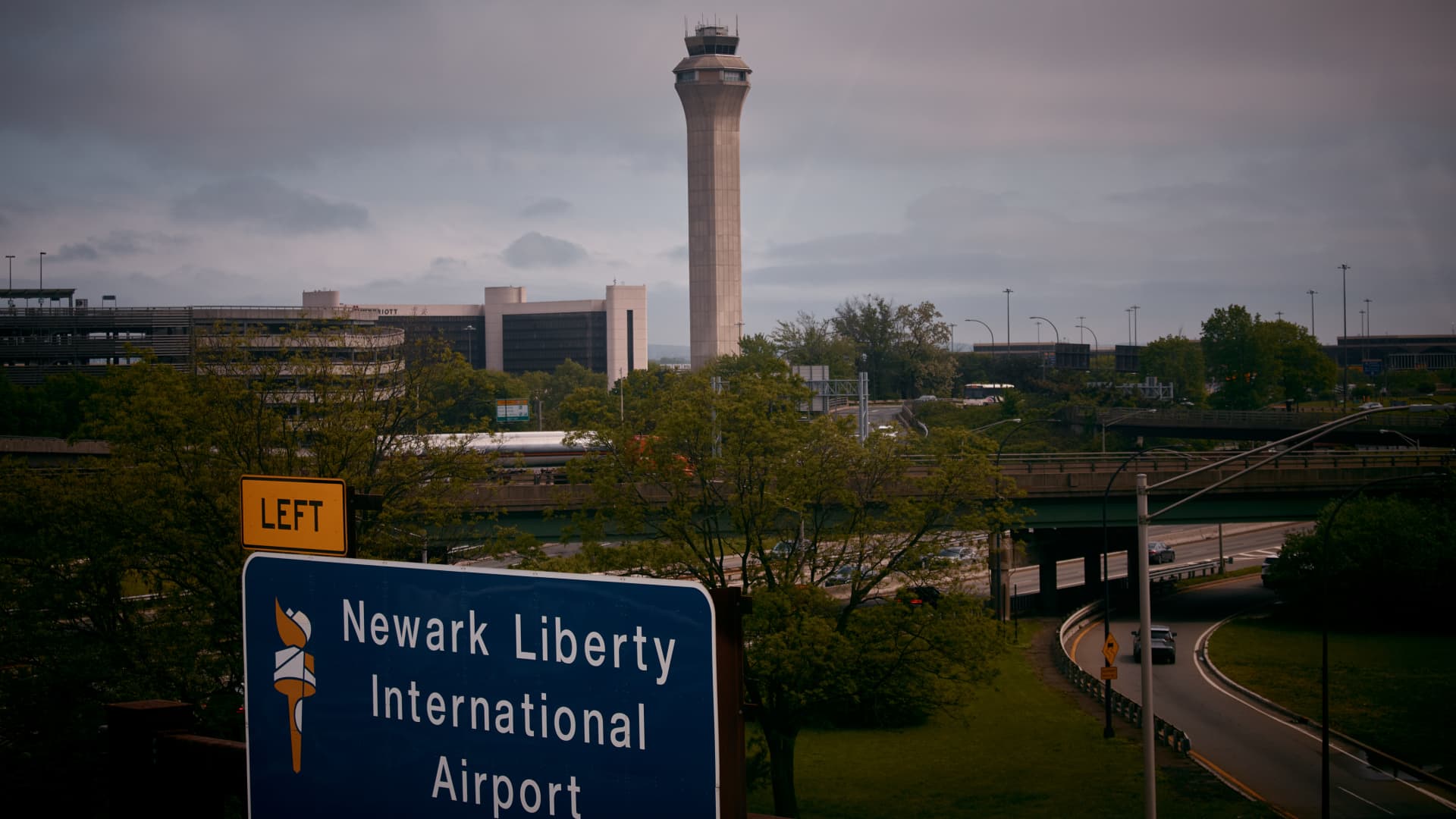

An unexpected equipment failure at Newark Liberty International Airport on April 28 exposed the critical strain on U.S. air traffic control systems, marking yet another moment of disruption for travelers. The 90-second outage, where air traffic controllers were left with dark radar screens and lost communication with aircraft, resulted in chaotic delays for over 1,500 flights and left thousands of passengers stranded. This incident followed a similar disruption just days later, underscoring the ongoing challenges faced by an air traffic control system grappling with decades of underfunding and staffing shortages.
Transportation Secretary Sean Duffy recently addressed the pressing need for modernizing the nation’s air traffic infrastructure. In a meeting attended by top airline executives, Duffy revealed a substantial plan aimed at revamping outdated radar and communications systems across U.S. airspace. Although he did not specify a total cost, estimates suggest that over $30 billion in Congressional funding will be necessary for these upgrades. “The system we have here, it’s not worth saving. It’s too old,” Duffy stated, emphasizing the urgency of the matter.
Airline executives have long called for enhancements to air traffic infrastructure, highlighting that the recent failures are merely symptoms of a more significant systemic issue. They welcomed a proposed $12.5 billion allocation from the House to improve air traffic control, alongside an additional $18.5 billion in emergency funding needed over the next three years. However, some politicians have criticized past layoffs within the Federal Aviation Administration (FAA) that excluded air traffic controllers, arguing that proactive measures are vital for aviation safety.
At Newark Airport, which faced significant operational stress due to space constraints and an aging control facility, the situation has reached critical levels. Last year, Newark handled approximately 414,000 flights, yet its facilities are among the most outdated in the system. A recent FAA move reallocated controllers from a Long Island facility to Philadelphia in an attempt to alleviate congestion without success, resulting only in heightened delays.
The safety of the air traffic system has come under scrutiny, especially following a tragic accident involving a Black Hawk helicopter and an American Airlines regional jet earlier this year. This incident, which claimed 67 lives, sparked heightened urgency to rectify systemic deficiencies in air traffic management. “It should not take a tragedy to solve this problem,” remarked JetBlue Airways CEO Joanna Geraghty, signaling the growing frustration among industry leaders.
Amid ongoing technological failures, air traffic control staffing remains a significant hurdle. The U.S. is currently short of about 3,000 air traffic controllers, with the FAA facing persistent challenges in recruitment and retention. The demanding nature of the job often leads to early retirements and high turnover rates. Recent efforts by Duffy to increase financial incentives for controllers aim to address these staffing deficits, as the FAA struggles to train sufficient personnel.
As Newark Airport continues to experience disruptions, airline executives have voiced the need for capacity limits to align scheduled flights with the airport’s capabilities. “It’s long past time to treat EWR like the crown jewel that it is,” stated United Airlines CEO Scott Kirby, a sentiment echoed by many in the aviation sector.
The combination of outdated technology, understaffing, and inadequate infrastructure is placing extraordinary pressure on the already strained air travel system. Unless rapid and robust action is taken, ongoing disruptions may continue, affecting the travel plans of millions and raising concerns about aviation safety across the country.
Original Source: https://www.cnbc.com/2025/05/07/newark-air-traffic-control-strain-staffing-technology.html
Category :
Tags:
Publish Date: 2025-05-10 01:25:00