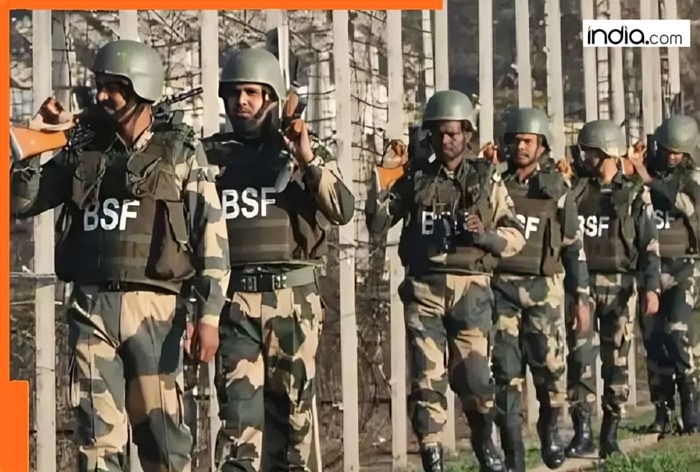

On May 7, 2025, India will conduct a significant civil defence drill across 244 districts, a move underscored by rising tensions following the tragic Pahalgam terror attack that resulted in the deaths of 26 tourists. This extensive exercise is more than a rehearsal for potential crises; it serves as a strategic message to both citizens and adversaries, particularly Pakistan. While officials label the drill as routine, its timing, scale, and intensity indicate a fortified national stance, suggesting that India is preparing for diverse contingencies, including possible conflict.
The civil defence mock drill will focus on arms readiness in responding to war-like emergencies, such as missile strikes and air raids. Activities will include testing air raid sirens, conducting blackout simulations, executing camouflage operations to protect critical infrastructure, and organizing evacuation drills from designated danger zones. Public awareness sessions in schools and workplaces will impart essential survival skills, ensuring that civilians are better prepared.
This drill revives a practice reminiscent of the Cold War when such preparedness was standardized across many nations, including India during the 1971 war with Pakistan. Given today’s threats, including drone warfare and hybrid military strategies, these measures are being reimagined for a contemporary context, reaffirming the government’s commitment to national security.
Critically, this initiative is not merely about military readiness but also about deterrence. The messaging is twofold: Indian citizens are urged to remain vigilant and prepared, while adversaries are given a clear signal that India stands ready to retaliate if provoked. The recent Pahalgam attack has amplified the need for such readiness, indicating that these incidents are not sporadic but rather tests of resolve.
The involvement in the drill will extend to various groups, including Home Guards, Civil Defence Wardens, National Cadet Corps, and Nehru Yuva Kendra volunteers, along with school and college students. District authorities will oversee the execution, producing “Action Taken Reports” to identify gaps and ensure improvements. Some areas, particularly near the border with Pakistan, have already begun executing preparatory drills, highlighting the urgency and importance of the initiative.
The civil defence drill aligns with strategic priorities set forth during the Chintan Shivir 2022, emphasizing the need for a robust civilian infrastructure in border and coastal regions. It marks a pivotal shift in Indian policy towards proactive preparedness, moving away from purely reactive responses to imminent threats.
While certain narratives may present this initiative as fearmongering, the reality is that India is reinforcing its readiness against a backdrop of potential conflict. The drill serves not only as a practical exercise but also as a symbolic gesture of strength and resilience. As the nation prepares, it does so with the understanding that preparedness represents peace, readiness embodies resilience, and deterrence constitutes effective defence.
As India takes these measures, the underlying message resounds clearly: the country will not be caught off guard, and its commitment to security remains resolute.
Categories: India, civil defence drill, India-Pakistan conflict, mock drill, Pahalgam Terror Attack
Tags: Civil defence, India, preparedness, security, deterrence, national safety
Original Source: https://www.india.com/news/india/blackout-or-breakpoint-why-indias-civil-defence-drill-sends-a-clear-message-to-pakistan-7802247/
Category : India,civil defence drill,India Pakistan conflict,mock drill,Pahalgam Terror Attack
Tags:
Publish Date: 2025-05-06 14:30:00