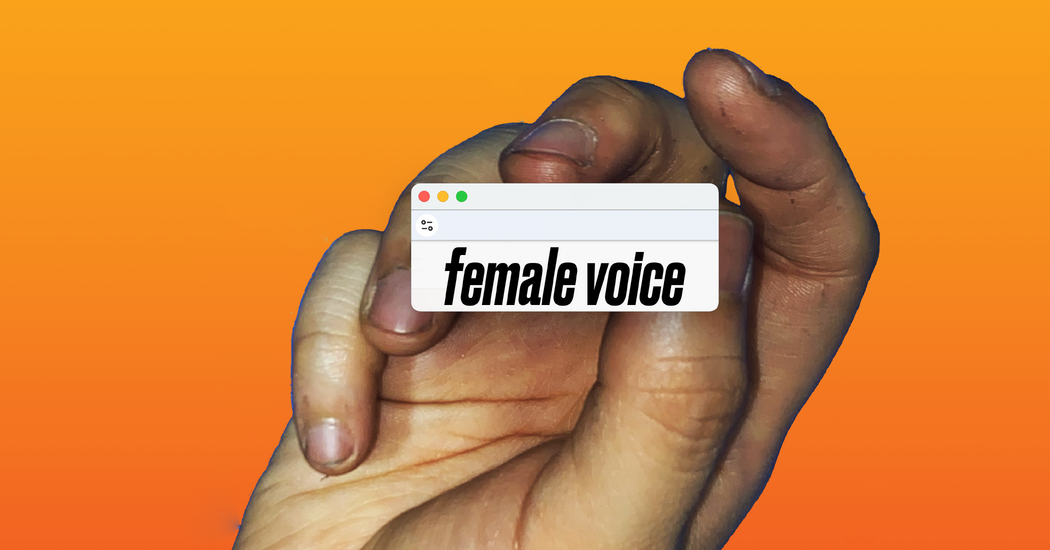

In today’s digital landscape, the voices we hear and interact with are more than just sound – they reflect our culture, technology, and societal norms. Jessie, a digital voice many have encountered, is becoming a unique presence despite her artificiality, much like Laurie Anderson’s experimental voice work in the 1980s. Anderson’s voice critiqued masculinity through technology, while Jessie’s emulation of a stereotypical “featherbrained” female voice challenges modern gender norms.
While Jessie symbolizes a humorous take on female stereotypes, the real concern lies with other female voices that permeate contemporary media. The high-pitched, whispery tones typical of Japanese anime characters project a young, sexualized image that can feel unsettling. Even more extreme is the “tradwife” voice on social media – soft and submissive, reminiscent of traditional gender roles. Tia Levings, once a fundamentalist wife, gained popularity on TikTok by critiquing this voice, which she described as rooted in archaic teachings from books like “Fascinating Womanhood.”
The pervasive nature of these voices may skew young people’s perceptions of female identity, much like concerns over the impact of digital pornography on sexual norms. With artificial intelligence learning from popular voices, there’s a risk of perpetuating distorted female representations through a feedback loop of artificial murmurings.
Personal experiences illuminate these themes. For instance, many teenage boys immerse themselves in video games like Fortnite, often opting for female avatars. This choice might be influenced by older gamers or simply personal preference. While the avatars exude power in their actions, they remain silent—a stark contrast to the vocal personas portrayed in other media.
This silence parallels TikTok influencers who adopt Jessie’s voice. By choosing Jessie, they might assert control over their narratives, safeguarding their private selves. Jessie’s artificiality becomes a protective shield, allowing influencers to maintain a degree of separation from their audience while catering to them visually. Many embrace Jessie for their “get ready with me” videos, striking a balance between adhering to and subverting the male gaze. Jessie’s robust, unapologetic presence sends a clear message: these women are packaging their content, not themselves, for consumption.
The intersection of technology, gender, and media raises essential questions about representation and identity. As digital voices continue to shape our interactions and perceptions, they’re more than a novelty—they’re a reflection of our ongoing dialogue about gender and power. Through Jessie and others, we glimpse both the pitfalls and potentials of our increasingly digital world.
This exploration into digital and AI voices highlights broader societal issues, illustrating how technology can both reflect and challenge our perceptions of gender and identity. As we engage with these voices daily, they offer a complex narrative of empowerment and critique, reflecting our evolving discourse on identity in a technologically driven society.
Tags: summertravelissue2025, Computers and the Internet, Artificial Intelligence, Women and Girls, Social Media, Voice and Speech, TikTok (ByteDance), ChatGPT.
Original Source: https://www.nytimes.com/2025/05/05/t-magazine/ai-female-voices.html
Category : summertravelissue2025,Computers and the Internet,Artificial Intelligence,Women and Girls,Social Media,Voice and Speech,TikTok (ByteDance),ChatGPT
Tags:
Publish Date: 2025-05-05 17:43:00