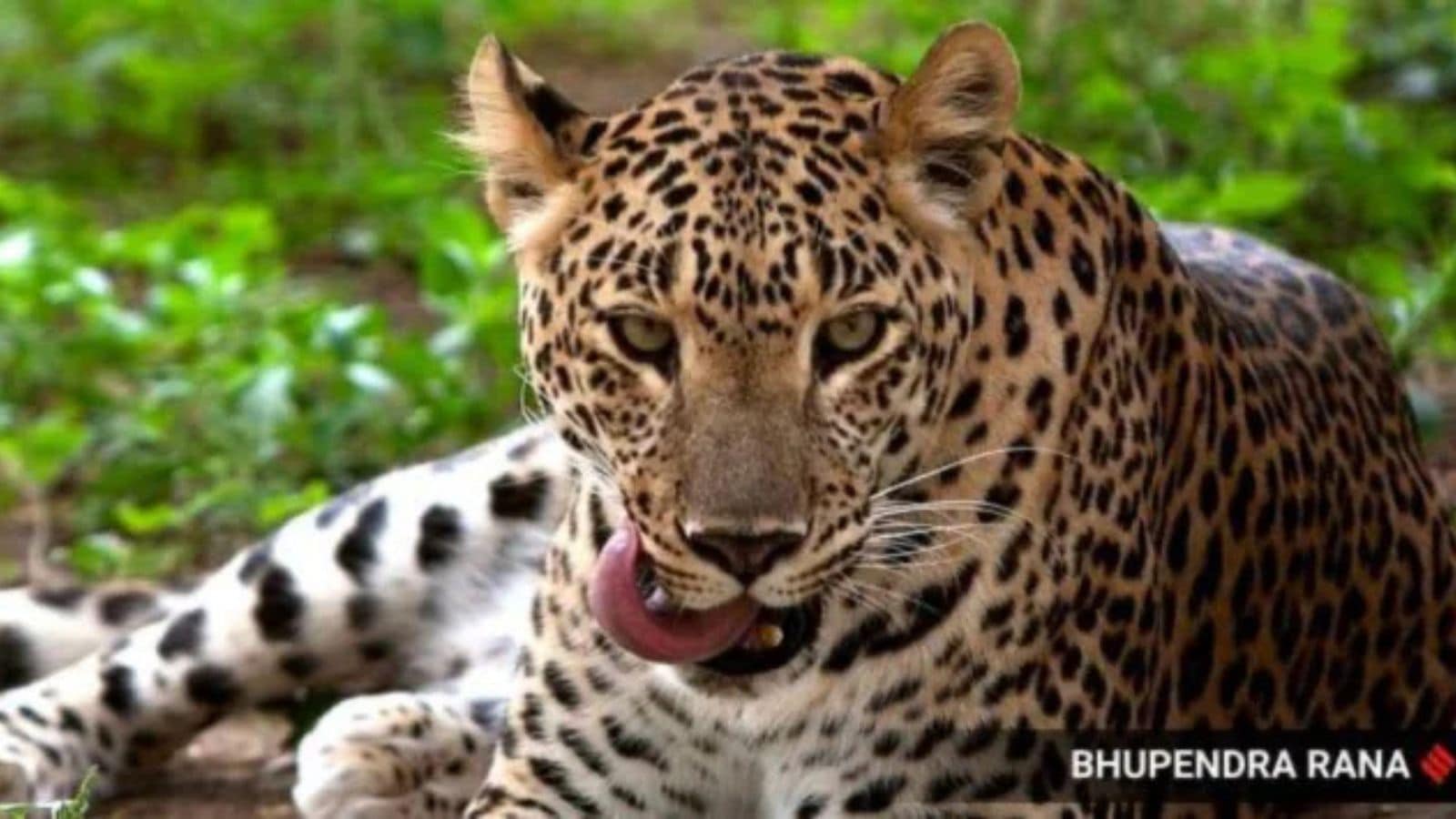

A recent camera-trap survey conducted between February and June 2024 has documented 57 leopards thriving in Sanjay Gandhi National Park (SGNP) and surrounding areas, highlighting the resilience of wildlife in the heart of Mumbai. Organized by the Maharashtra Forest Department and Wildlife Conservation Society India (WCS India), the survey found 54 of these leopards within SGNP and the adjoining Aarey Milk Colony, comprising 36 females, 16 males, and two of undetermined gender. Notably, four cubs were photographed, indicating a vibrant breeding population. Additionally, three adult male leopards were identified in Tungareshwar Wildlife Sanctuary (TWLS), showcasing the species’ adaptability in urban landscapes.
“The continued presence of these magnificent leopards in such a densely populated urban region speaks volumes about nature’s resilience,” remarked Anita Patil, Conservator of Forests and Park Director at SGNP. She emphasized the crucial role of scientific monitoring in understanding wildlife status and guiding effective conservation measures. The survey also highlighted the survival of three female leopards initially recorded in 2015, a testament to their resilience and fidelity in a challenging, human-dominated environment.
Survey teams deployed camera traps at 90 points—57 in SGNP and 33 in TWLS—capturing images of various other wildlife, including chital, sambar, jungle cats, palm civets, and even mouse deer. One male leopard was photographed near Vasai Fort, approximately 9 kilometers from TWLS, indicating its movement through fragmented habitats, which include villages, highways, and railway tracks.
Beyond merely counting leopards, the survey emphasized capacity building within the local forest department. Over 50 personnel were trained in scientific wildlife monitoring methods, empowering them to conduct similar assessments independently in the future.
Despite the positive news regarding leopard populations, environmentalists express concerns over escalating human-leopard conflicts in areas surrounding the park. Sightings near residential neighborhoods in Aarey, Goregaon, and Mulund have raised safety issues for both humans and leopards. “The rising leopard numbers mean they require more space. Encroachments in buffer zones and forest fringes are a serious threat, impacting both wildlife and human safety,” cautioned BN Kumar, Director of NatConnect, an NGO focused on urban biodiversity. He advocates for systematic removal of illegal structures and halting new developments in these crucial buffer zones.
Wildlife officials have repeatedly alerted the community about the dangers of illegal settlements, waste dumping, and open food waste, which attract prey animals such as stray dogs, leading leopards closer to human dwellings. Dr. Bharat Bhushan, Honorary Secretary of the Bombay Natural History Society, suggested that effective garbage disposal units and waste segregation could mitigate the presence of stray animals that inadvertently lure leopards. He also called for improved policy enforcement and coordination with law enforcement to discourage further encroachments into leopard habitats, aiming to reduce human-wildlife conflicts.
Encroachments in the park’s core and buffer zones, especially in Aarey, have steadily increased over time. Activists are urging the state government and civic authorities to conduct thorough surveys of these intrusions and enforce stricter measures before irreversible habitat loss occurs. The findings from this survey serve not only as evidence of wildlife success but also as a crucial warning that collaborative conservation efforts are more essential than ever in this increasingly urbanized environment.
Tags: Mumbai, Cities
Original Source: https://indianexpress.com/article/cities/mumbai/mumbai-camera-trap-survey-finds-57-leopards-in-sanjay-gandhi-park-nearby-areas-9982967/
Category : Cities,Mumbai
Tags:
Publish Date: 2025-05-05 05:26:00