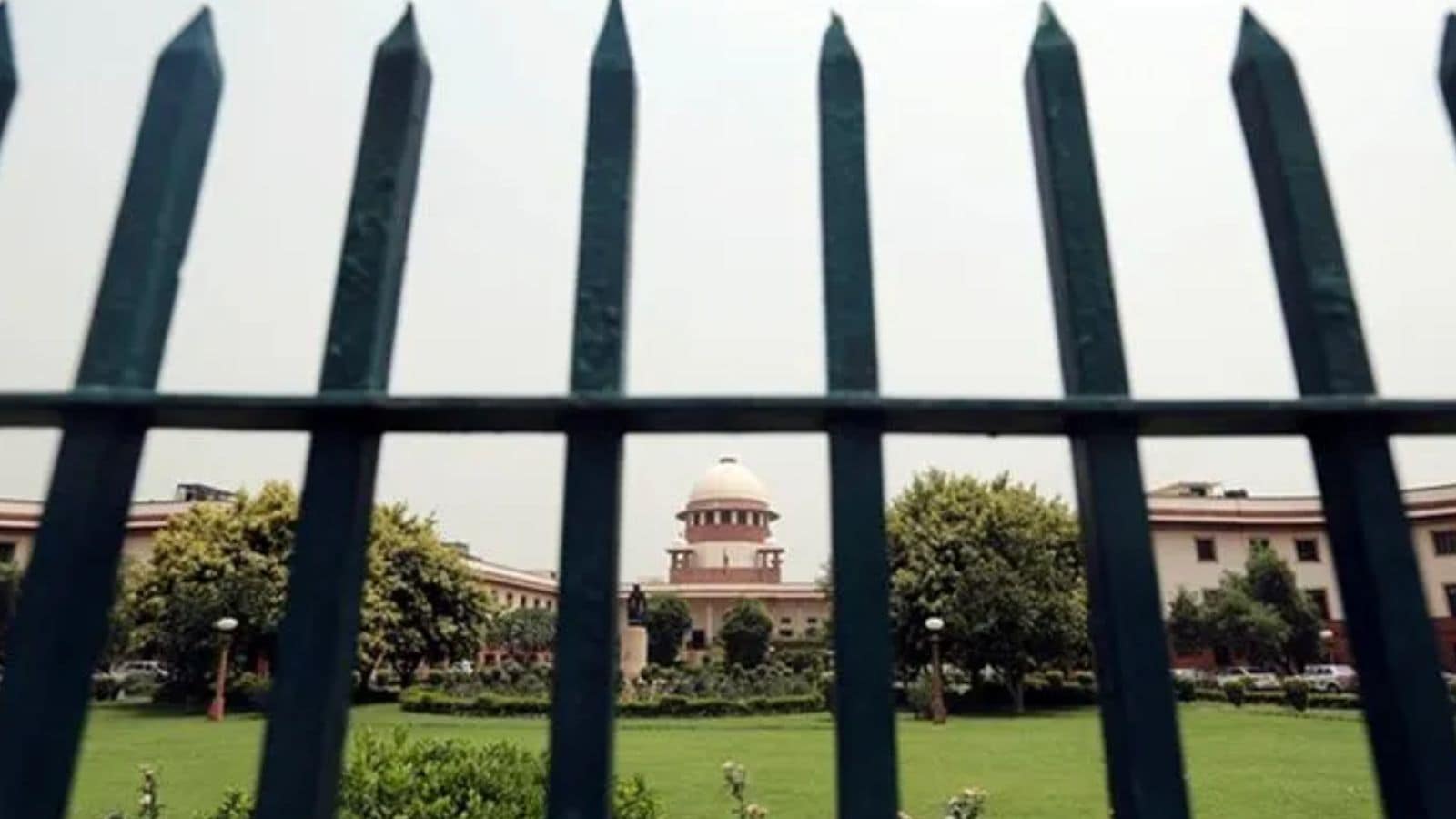
Supreme Court Declares: Civil Proceedings No Barrier to Criminal Prosecution in Landmark Ruling

In a significant development regarding the handling of civil disputes in Uttar Pradesh, the Supreme Court of India has reiterated that civil proceedings should not obstruct criminal investigations. This clarification comes less than two weeks after Chief Justice Sanjiv Khanna highlighted concerns about the state police’s trend of converting civil cases into criminal matters, describing it as a failure of the rule of law.
On April 29, a bench led by Justices Dipankar Datta and Manmohan ruled that the mere initiation of civil lawsuits does not prevent the investigation of cognizable offenses. The court emphasized that previous judgments have established that civil remedies, such as breach of contract, do not inherently preclude criminal proceedings. The ruling stressed that the nature of the offense must be scrutinized carefully, particularly in commercial contexts, where complaints should not be dismissed without thorough investigation.
This ruling arises from a case involving allegations against a borrower who had not returned a loan of ₹25 lakh. The earlier bench led by CJI Khanna on April 7 expressed frustration over a growing trend where the UP police register FIRs in cases that should be treated as civil disputes. In a subsequent hearing on April 16, the Chief Justice reiterated the necessity for a distinction between civil violations, like contract breaches, and criminal offenses, noting that the legal elements of each construct are vastly different.
CJI Khanna indicated that the Supreme Court had warned against the reckless conflation of civil and criminal matters. He pointed out that concerns have been raised repeatedly regarding the police’s failure to discern between civil and criminal allegations, risking a serious misapplication of legal processes. The court articulated that consequences could arise from misusing criminal procedures to pressure parties rather than pursuing rightful legal remedies.
The April 29 ruling highlighted the stark differences between criminal breach of trust and cheating, emphasizing that the two cannot coexist. The bench called for a careful evaluation of whether allegations constitute an actual crime or if they stem from civil grievances. Moreover, it underlined that mere failure to fulfill a promise would not suffice for initiating criminal charges unless accompanied by demonstrable dishonesty or fraud.
Two cases highlighted by the court illustrate these legal intricacies. In one case, Rikhab Birani and Sadhna Birani had entered into a verbal agreement to sell property but subsequently faced criminal charges when the buyer, Shilpi Gupta, alleged default. The Supreme Court quashed this FIR, reaffirming that such civil matters should not devolve into criminal disputes.
In another recent case, involving a property sale in New Delhi, questions arose over pre-existing agreements and financial claims. FIRs were connected to conflicting ownership claims, leading to complex civil proceedings. The Supreme Court’s decision to revive an FIR against the sellers after initial quashing by the Delhi High Court underscores the nuanced interpretation of law that the apex court insists upon, ensuring that legitimate grievances are addressed without abusing the system.
The Supreme Court’s approach sends a critical message about upholding the integrity of legal processes and protecting the rule of law. The rulings advocate for safeguarding civil rights while preventing the misuse of criminal law, a balancing act crucial for maintaining judicial order in complex commercial dealings.
Original Source: https://indianexpress.com/article/india/civil-proceedings-no-bar-to-criminal-prosecution-says-sc-9982737/
Category : India
Tags:
Publish Date: 2025-05-05 00:15:00