
In a groundbreaking move, government scientists have unveiled two genome-edited rice varieties as an innovative alternative to the controversial genetically modified (GM) crops, revolutionizing agriculture with promising results. Unlike GM crops, which incorporate external genes, genome-edited crops involve altering the plant’s existing genes, offering a more accepted approach in genetic plant development. This innovation comes as the Supreme Court has urged the government to establish a comprehensive policy on genetically modified crops through public consultation, a recommendation still pending finalization.
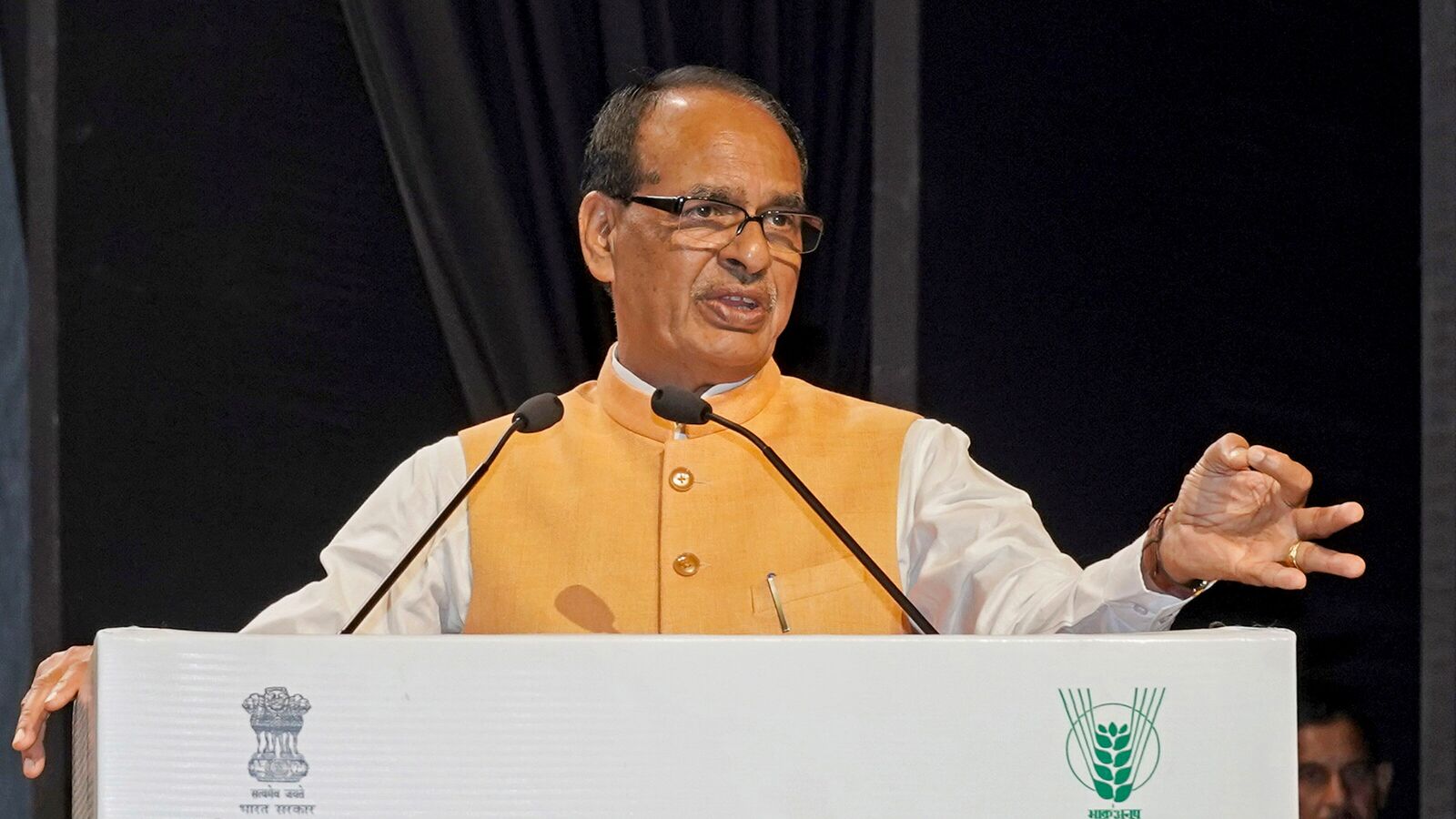
Agriculture Minister Shivraj Singh Chouhan hailed these new rice varieties as the first of their kind globally. They promise to boost yields by 20–30% over traditional rice seeds and reach maturity 20 days sooner, significantly conserving water resources. Beyond increased productivity, these varieties are designed to tackle climate change by reducing methane emissions by 20%, further enhancing their appeal.
The potential of genome-editing technology extends beyond rice, promising advancements in other crops for improved yields, climate resilience, and nutritional quality. “This is just the beginning,” Chouhan emphasized at the announcement event at the Indian Council of Agricultural Research (ICAR) in New Delhi. Encouraged by these developments, the government has allocated ₹500 crore in the 2023-24 budget to support genome editing in agriculture, with research underway across more than 30 crops, including oilseeds, pulses, wheat, and maize.
Reflecting on the global challenges of food demand, climate change, and environmental stressors, Dr. Mangi Lal Jat, Director General of ICAR, highlighted the urgent need for high-yielding and climate-resilient crop varieties. “Genome editing has emerged as a precision tool for creating improved varieties rapidly,” he noted. ICAR initiated rice genome editing in 2018, focusing on popular varieties such as Samba Mahsuri and MTU1010 grown extensively across India.
The new rice variety DRR Dhan 100, a high-yielding derivative of Samba Mahsuri, boasts an average yield of 5.37 tonnes per hectare, surpassing its predecessor’s 4.5 tonnes. With a yield potential reaching nine tonnes per hectare, it matures 15-20 days earlier. Similarly, the PUSA DST Rice 1 variety offers an average yield increase of 3.5 tonnes per hectare compared to its parental strains, catering to diverse regions across India.
ICAR anticipates that farming these varieties across five million hectares could yield an additional 4.5 million tonnes of paddy, reduce greenhouse gas emissions by 32,000 tonnes, and conserve 7,500 million cubic meters of irrigation water, benefiting other crops. This development marks significant progress in sustainable agriculture, aligning with efforts to address hidden hunger and improve nutritional security through initiatives like rice fortification.
As genome editing gains momentum, its transformative potential in enhancing crop performance and resilience is evident, heralding a new era in agricultural innovation. This initiative not only represents a leap forward in sustaining the agricultural economy but also underscores a commitment to environmental stewardship and food security.
Original Source: https://www.livemint.com/news/gm-rice-gene-editing-icar-climate-change-methane-emission-irrigation-shivraj-singh-chouhan-mangi-lal-jat-farm-scientists-11746356287167.html
Category :
Tags:
Publish Date: 2025-05-04 21:57:00