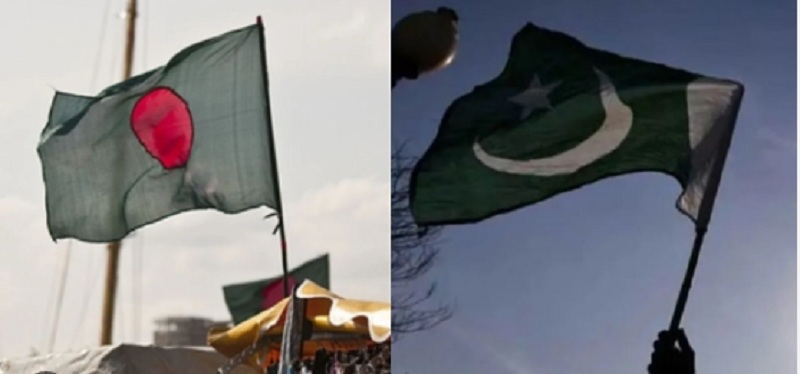

In a rekindling of historical wounds, recent diplomatic engagements between Pakistan and Bangladesh underscore long-standing tensions rooted in the events of 1971. This month, Pakistan’s Foreign Secretary, Amna Baloch, visited Dhaka for discussions with her Bangladeshi counterpart, Jashim Uddin, aimed at strengthening bilateral ties. These talks coincided with a backdrop of unresolved issues that have haunted relations between the two nations for decades. Despite the diplomatic overture, Bangladesh raised three unresolved matters during the Foreign Office Consultations, concerns tied to the 1971 Bangladesh Liberation War, where an estimated three million Bengalis were killed and numerous women subjected to sexual violence by the Pakistan army. The first demand was an official apology from Pakistan for the atrocities committed in 1971, a request that has been persistently sidelined by Islamabad despite international expectations. The second involves settling the division of assets and liabilities from the period when Bangladesh was East Pakistan. Lastly, Bangladesh seeks the repatriation of Urdu-speaking Biharis who identify as Pakistanis and have expressed a desire to relocate to Pakistan.
Pakistan’s historical narrative, often marked by denial and obfuscation, has found fresh controversy following recent political changes in Bangladesh. In 2024, with the fall of the Awami League led by Sheikh Hasina, Pakistan’s Prime Minister Shehbaz Sharif’s comments regarding the attacks on statues of Bangabandhu Sheikh Mujibur Rahman reminded many Bangladeshis of past grievances. This incident is reminiscent of Pakistan’s earlier political insensitivity, exemplified when its National Assembly condemned Bangladesh’s prosecution of those who collaborated with the Pakistan army during the Liberation War. Notably, former Pakistani leadership failed in their promise to prosecute 195 military officers accused of genocide, despite agreeing to do so in a 1974 tripartite agreement with India and Bangladesh.
While Pakistan’s official statement post-Dhaka visit focused on increasing trade and establishing direct air routes, the sensitive topics broached by Bangladesh were conspicuously absent. The Pakistani delegation seemed unprepared for these conversations, indicating a persistent underestimation of Bangladesh’s resolve to address historical injustices.
These issues remain crucial for fostering true reconciliation and partnership, with Bangladesh emphasizing that genuine progress requires Pakistan to acknowledge its past actions and responsibilities. Diplomatic circles in Dhaka predict further procrastination from Pakistan, a position bolstered by rising anti-India sentiments that Islamabad has historically sought to exploit. The era before Bangladesh’s emergence saw economic and social discrimination against Bengalis, with West Pakistan prioritizing its development at the cost of the eastern province despite the latter’s economic contributions through tea and jute.
In the interests of regional stability, Pakistan’s leadership would benefit from addressing these historical grievances sincerely. The path to reconciliation is contingent on Islamabad’s willingness to accept historical truths and provide reparations for the damage inflicted on Bangladesh in 1971. Without addressing these core issues, prospects for improved relations remain dim. As Bangladesh stands firm on its demands, the global community watches for signs of a genuine shift in Pakistan’s approach, one that prioritizes historical accountability and healing.
Original Source: https://nenews.in/articles/bangladesh-must-relentlessly-pressure-pakistan-over-1971/24148/
Category : Articles,Awami League government,Bangaldesh,Bangladesh Chief Adviser Mohammed Yunus
Tags:
Publish Date: 2025-04-25 10:30:00