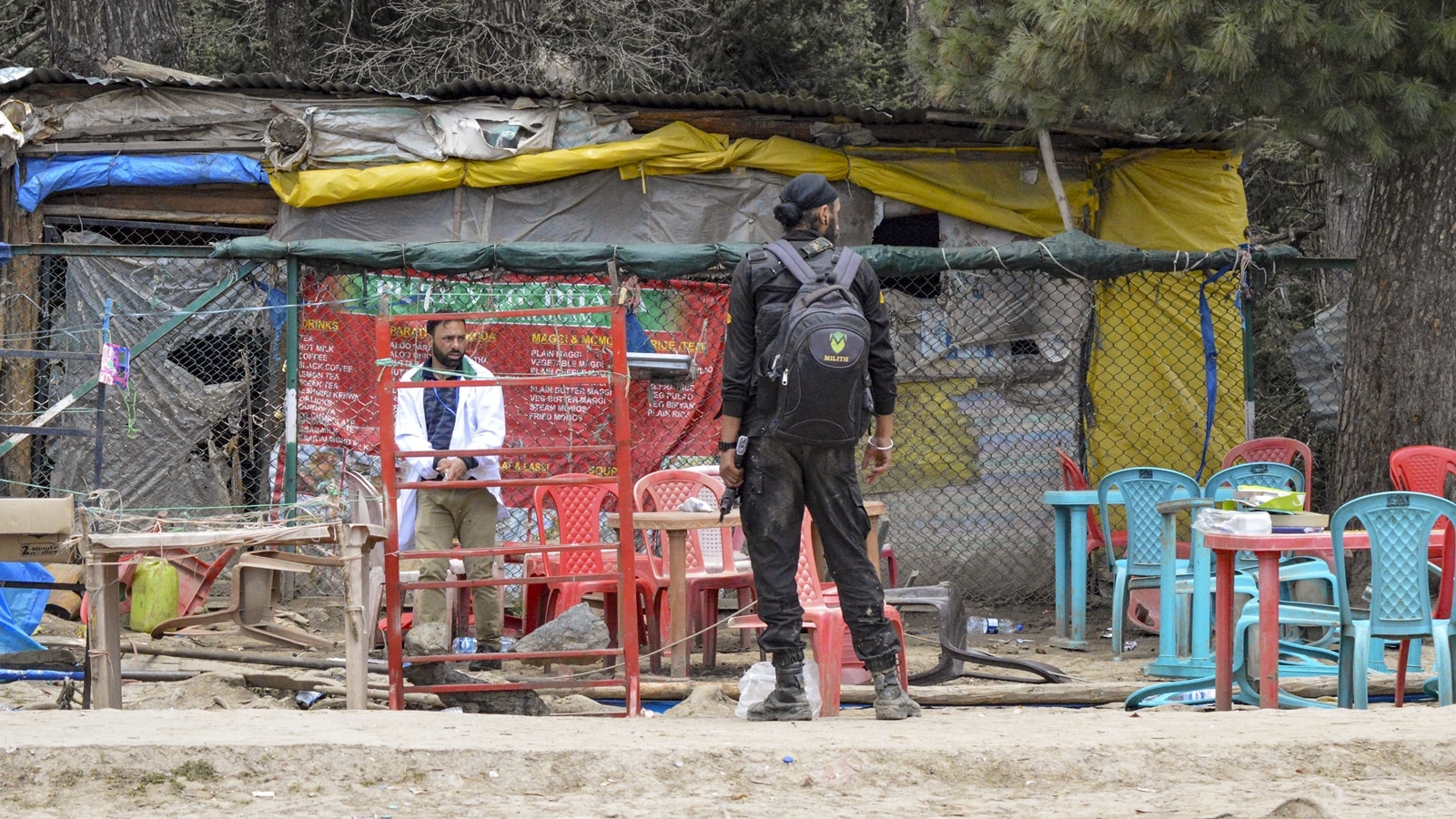

On April 25, 2025, insights from a former corps commander of the Srinagar-based 15 Corps highlight the Indian Army’s strategic approach to counter-insurgency (CI) and counter-terrorism (CT) operations, emphasizing the importance of area domination patrols (ADP). These operations hold relevance in maintaining security and are often overlooked by high-ranking military leaders due to their expansive responsibilities that necessitate entrusting tactical decisions to subordinate officers. However, at times, senior officers experience the urge to delve into tactical details to ensure absolute efficacy, especially in CI/CT contexts where foundational strategies are essential.
Reflecting on an incident from 1999 in south Kashmir during a period of heightened hostile encounters, the former commander recalls a pivotal conversation with a General Officer that forever reshaped his perception of tactical operations. While briefing the General on upcoming operations, the officer was questioned about the patrolling efforts above the Tral region. To the officer’s admission of having never patrolled the area, the General stated, “Then you have given it away to the terrorists.” This was a turning point, underscoring the significance of demonstrating presence across all areas, regardless of perceived threats.
ADPs are designed to establish omnipresence in unpredictable patterns, thereby instilling a sense of uncertainty among adversaries. This unpredictability is crucial; by randomly deploying troops in tactical movements, often in ambush mode, ADPs disrupt potential terrorist activities by making the area appear perpetually monitored. The intention is to deter terrorists from venturing into these zones, minimizing their freedom and thwarting their operations by making it challenging to plan, transport weapons, or exploit terrains.
The necessity of ADPs becomes more pronounced during times of reduced terrorist activity, ensuring that security forces continue to dominate territories and prevent adversaries from gaining a foothold. As the former commander notes, these “boredom” operations, despite their repetitive nature, are vital in safeguarding military camps and preventing adversarial surveillance.
Emphasizing a return to fundamental military practices, the discourse highlights how these recurring patrols act as valuable reconnaissance missions, offering ground-level intelligence. Troops engaged in ADPs serve as the eyes and ears of the army, identifying suspicious activities and monitoring new individuals and potential buildups in the area. By limiting terrorists’ familiarity and comfort with specific regions, ADPs play a crucial defensive role.
In conclusion, the former commander’s reflections suggest that the strategic deployment of ADPs is a timeless military tactic that underpins broader operational effectiveness. While senior military leaders often focus on macro-level strategies, the insight provided reminds current and future commanders of the enduring value of tactical micromanagement, especially in maintaining security and ensuring the continued success of CI/CT operations. As both an experienced military leader and a member of the National Disaster Management Authority, the author stresses the perpetual relevance of ADPs in sustaining vigilance and fortifying defense mechanisms in regions prone to insurgent threats.
Original Source: https://indianexpress.com/article/opinion/columns/to-deter-terror-activity-in-the-valley-after-pahalgam-back-to-basics-9964394/
Category : Columns,Opinion
Tags:
Publish Date: 2025-04-25 06:50:00