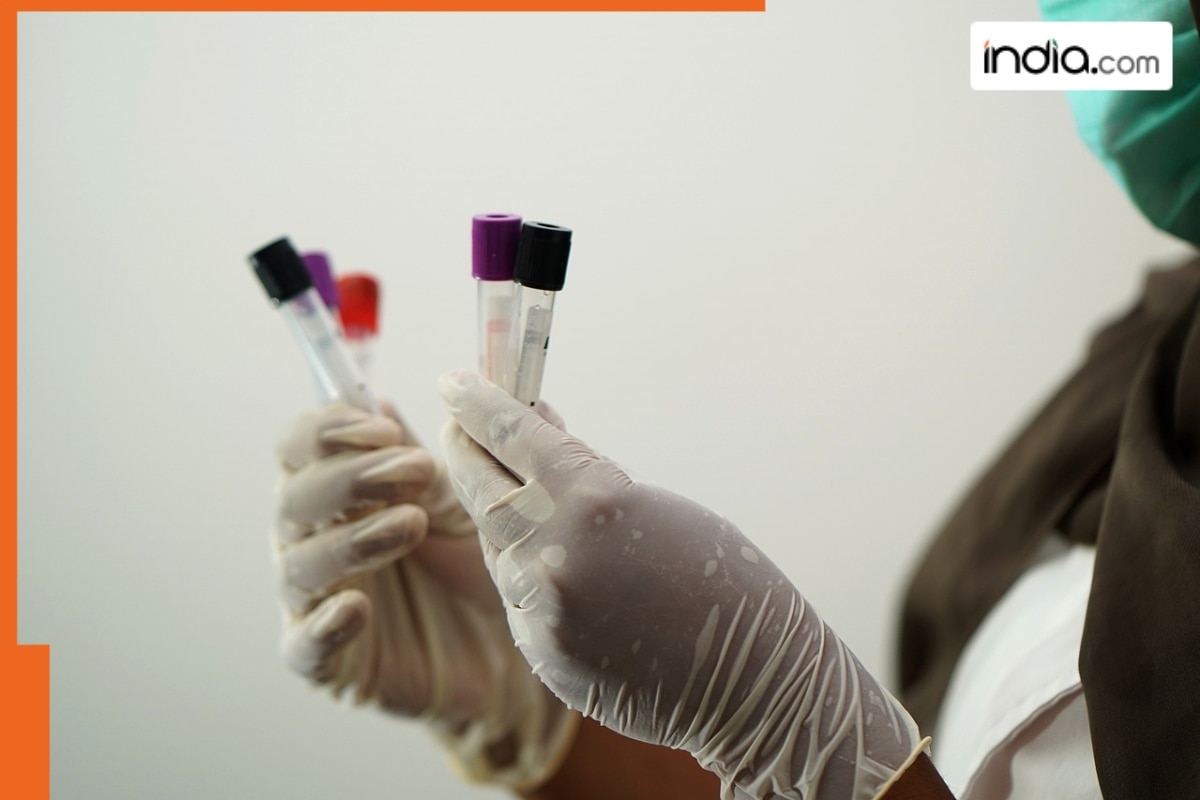

A breakthrough in cancer monitoring has been announced by US researchers, who have developed a new method for tracking the disease from blood tests alone. The innovative approach, based on whole-genome sequencing of DNA, could revolutionize the way cancer is diagnosed and monitored, particularly for patients who have undergone treatment.
The study, led by researchers at Weill Cornell Medicine and the New York Genome Center, employed an error-correcting method on a low-cost commercial sequencing platform. This technique leverages the redundant information found in natural two-stranded DNA to achieve a high “depth” of coverage, allowing for the detection of extremely low concentrations of circulating tumor DNA. The method also significantly improved the accuracy of the technique.
The team demonstrated the potential of their high-sensitivity, low-error approach by detecting and assessing very low cancer levels in patients with bladder cancer and melanoma from blood samples alone. “We were able to see increases in circulating tumor DNA levels after treatment in patients with cancers that progressed or recurred and declines in those levels in patients whose cancers had full or partial responses,” said Dr. Alexandre Cheng, a postdoctoral researcher.
The implications of this breakthrough are significant, as it could enable routine blood test-based screening for early cancer detection and monitoring of cancer burden in patients. Dr. Dan Landau, Professor of Medicine at Weill Cornell Medicine, noted, “We’re now entering an era of low-cost DNA sequencing, and in this study, we took advantage of that to apply whole-genome sequencing techniques that in the past would have been considered wildly impractical.”
The study’s findings were published in the journal Nature Methods, and the researchers believe that their approach could be a game-changer in the fight against cancer. “Blood-test-based ‘liquid biopsy’ technology for early cancer detection and monitoring of cancer burden in patients could revolutionize cancer care,” the team said in a statement.
This innovative method holds great promise for the future of cancer diagnosis and treatment, and it is hoped that it will improve patient outcomes and quality of life. As researchers continue to explore the potential of this technology, it is likely that we will see significant advancements in the field of cancer research and care.
Original Source: https://www.india.com/news/world/new-strategy-may-enable-accurate-cancer-monitoring-from-blood-tests-alone-7751595/
Category : World,blood tests,cancer monitoring,DNA,Weill Cornell Medicine
Tags:
Publish Date: 2025-04-13 00:40:00