
In a move that has sent shockwaves through global markets, President Trump has announced comprehensive tariffs on many of America’s trading partners, prompting governments worldwide to scramble to negotiate exemptions. European officials offered to eliminate tariffs on American cars and industrial goods in hopes of receiving similar treatment from the U.S. Meanwhile, Israel’s prime minister is set to meet Trump personally, and Vietnam’s top leader has already offered a tariff reduction on American goods during a phone call.
Various countries are mobilizing swiftly to prevent the tariffs, set to take effect, from disrupting their economies. Indonesia plans to dispatch a delegation to the U.S., while even the small nation of Lesotho is preparing to protest the new duties that affect its denim exports. The tariffs, ranging from 10% to 40%, will impact nearly 60 countries and are calculated based on each nation’s trade deficit with the U.S., adding to a 10% global levy already in place.
The response from foreign governments is varied. The European Union has threatened retaliatory tariffs, while Taiwan has opted not to retaliate, stating it wouldn’t change investment commitments in the U.S. Across Asia, leaders are scrambling to negotiate, recognizing the substantial impact these tariffs could have on factories producing electronics, auto parts, and shoes for the American market.
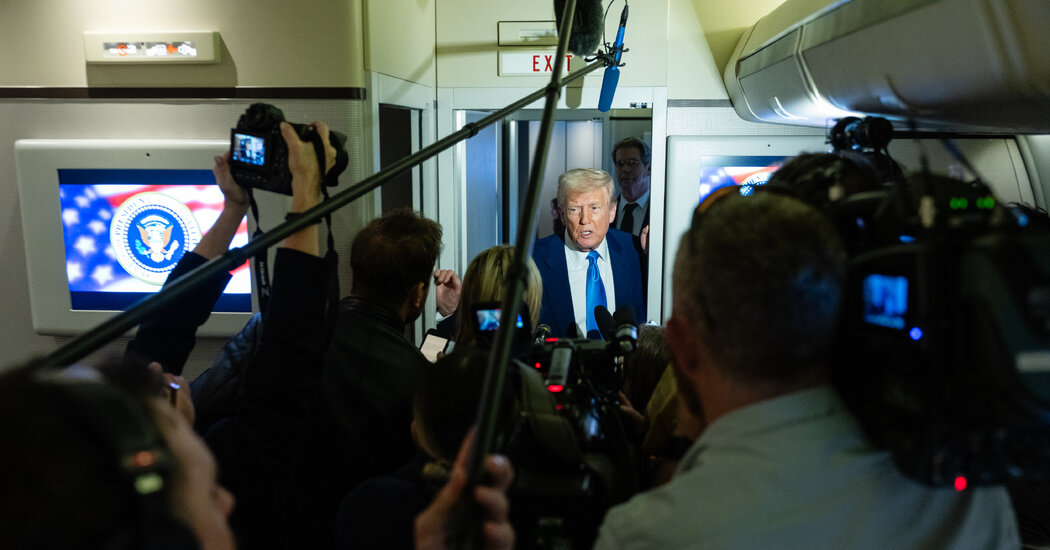
In response to these international overtures, President Trump has stated, “Countries from all over the World are talking to us,” suggesting that negotiations are on the horizon. Yet, he also emphasized that the tariffs would stand until the U.S. trade deficits are eliminated. This hardline stance has left many uncertain about how quickly changes might occur. Senator James Lankford speculated on NBC’s “Meet the Press” that the tariffs represent a “short-term issue,” predicting a calming market once negotiations commence.
Japanese markets have already reacted negatively, dropping by over 7% on news of the tariffs. Japan’s Prime Minister Shigeru Ishiba signaled willingness to discuss the matter directly with Trump, while Japan’s trade minister expressed disappointment at the measures. Similarly, South Korea plans to send its trade minister to the U.S. in an attempt to mitigate the effects of a sledgehammer 25% tariff.
Despite the international uproar, certain countries have been excluded from the new levies, including Mexico and Canada. This decision underscores the importance of their enduring trade agreements with the U.S. According to Luis Rosendo Gutiérrez Romano, Mexico’s deputy secretary for international trade, the exemption is indicative of the collaborative dialogue between these nations.
As these trade tensions unfold, global leaders are hopeful that dialogue and diplomacy will lead to favorable outcomes. While negotiations ramp up, U.S. officials remain cautious, underscoring concerns about non-tariff barriers that disadvantage American exports through taxes and regulations.
This unfolding saga underscores the intricate web of global trade relationships and the delicate balance countries must navigate to maintain economic stability. As the deadline approaches, the world watches closely, waiting to see how these complex negotiations will reshape international trade dynamics.
Original Source: https://www.nytimes.com/2025/04/07/us/politics/trump-tariffs-foreign-governments-negotiations.html
Category : International Trade and World Market,United States Politics and Government,Customs (Tariff),Politics and Government,United States International Relations,United States Economy,Factories and Manufacturing,Protectionism (Trade)
Tags:
Publish Date: 2025-04-08 01:03:00