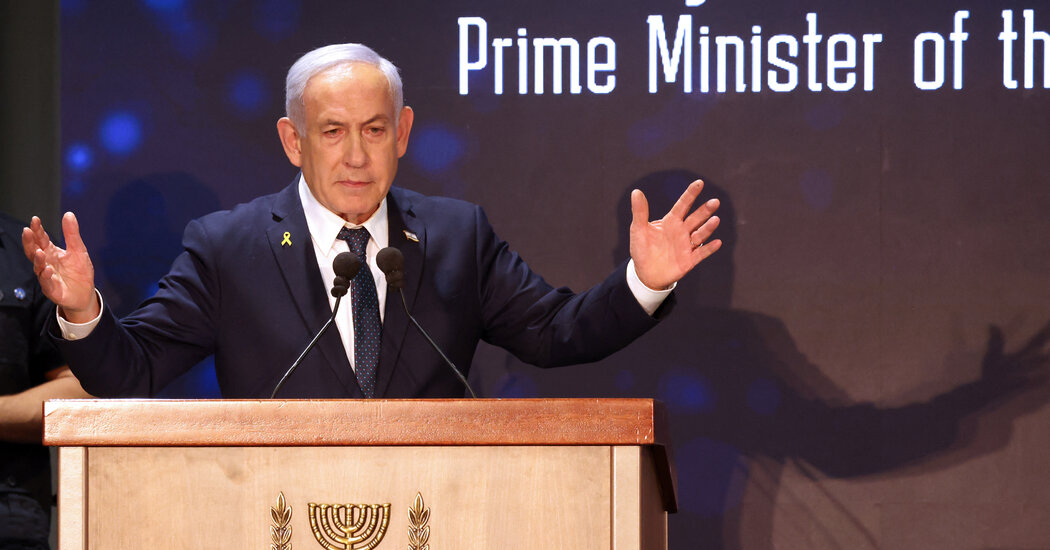

Israeli Prime Minister Benjamin Netanyahu is once again at the center of legal scrutiny, this time involving allegations that his media advisers were paid by a Qatari representative to promote favorable content about Qatar within Israeli media. The scandal, dubbed “Qatargate,” has intensified calls for Netanyahu’s resignation amidst ongoing corruption charges and regional conflicts involving Gaza, Lebanon, and Syria.
The heart of the controversy lies in claims that two of Netanyahu’s close aides, Jonatan Urich and Eli Feldstein, allegedly worked with an unnamed third party to influence Israeli media in favor of Qatar, a nation known for hosting leaders of Hamas. The case is being investigated by Israeli law enforcement, which has caused public outrage due to the perceived conflict of interest given Qatar’s contentious role.
In the unfolding drama, the Shin Bet, Israel’s internal security agency, which initiated the investigations, remains a focal point. Recently, Netanyahu attempted to dismiss Ronen Bar, the agency’s director, stirring speculation that it was retribution for Bar’s involvement in probing Netanyahu’s aides. Netanyahu refuted these claims, citing a loss of trust and alleged Shin Bet lapses during the Hamas attack in October 2023 as reasons for his dismissal attempt.
Although Netanyahu is not officially a suspect in the “Qatargate” scandal, he was questioned by police, marking an overlap with his ongoing corruption trial. In the separate corruption case, Netanyahu faces accusations of exchanging regulatory conveniences with business elites for bribes and media favors—allegations he firmly denies.
Court records suggest the media manipulation efforts were executed under the direction of ThirdCircle, a U.S.-based lobbying firm representing Qatar, rather than direct Qatari involvement. Jay Footlik, ThirdCircle’s founder, declined to address the allegations. Meanwhile, a statement from Qatar dismissed the accusations as politically charged attempts to disrupt international mediation efforts between Qatar, Egypt, and Israel.
The arrest of Urich and Feldstein has led to a court-imposed detention extension, though their legal representatives have refrained from public commentary. While Urich, a trusted Netanyahu strategist and former military media officer, also has ties with the public relations firm Perception, both he and Feldstein are entangled in the growing storm of investigations, bringing heightened skepticism toward Netanyahu’s administration.
The case’s resonance is amplified by Qatar’s historical ties to Hamas and its significant financial contributions to Gaza, which have previously received quiet U.S. endorsement and direct Israeli government requests. Nevertheless, critics argue that those linked to state secrets should not represent nations associated with adversarial entities, fueling public unease.
Amidst this turbulence, Netanyahu’s leadership faces mounting criticism. Opponents claim he is embroiled in excessive personal conflicts that detract from effective governance. Concerns also arise regarding his contentious attempt to revise the judiciary, with accusations that these actions stem from personal grievances.
As the legal and political tension escalates, Netanyahu’s governance and its integrity are under scrutiny, with many Israelis worried about these developments’ implications for national interests. The Qatargate affair deepens the ongoing discourse surrounding Netanyahu’s tenure, with ripple effects felt across domestic and international arenas.
Original Source: https://www.nytimes.com/2025/04/03/world/middleeast/israel-qatar-netanyahu.html
Category : Israel,Qatar,Conflicts of Interest,Politics and Government,Shin Bet,Netanyahu, Benjamin,Bar, Ronen (1965- )
Tags:
Publish Date: 2025-04-04 02:59:00