Uncovering the Integrity of Truth: Journalists, Media Ethics, and the Quest for Accuracy

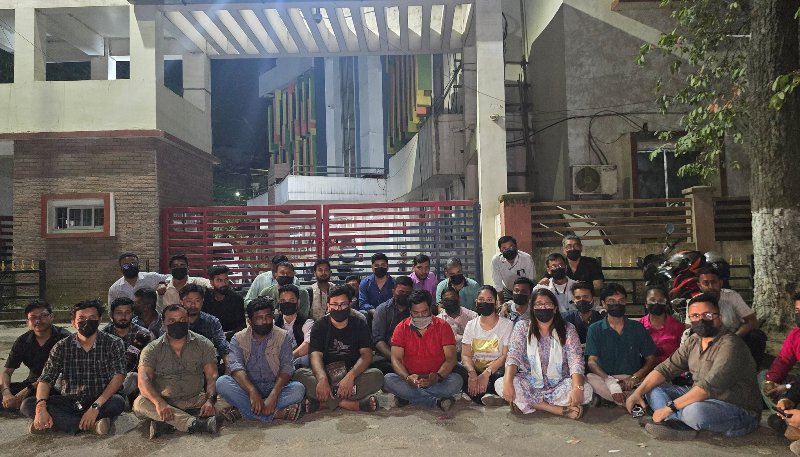
In a shocking turn of events, the Guwahati Police detained and arrested a journalist from a digital media platform, sparking outrage among the media fraternity and the opposition. The journalist, an office-bearer of the Guwahati Press Club, was granted bail, only to be re-arrested on charges unrelated to the initial detention. This latest development has raised crucial questions about the freedom of the press and the definition of journalism in the digital age.
The advent of digital media has transformed the way we consume news, making it accessible to the masses. However, this has also led to the proliferation of “citizen journalists” and the blurring of lines between professional journalism and individual perspectives. The lack of a clear definition of journalism has resulted in individuals from various professions identifying themselves as journalists, often with conflicting interests and a lack of understanding of journalistic ethics.
The Indian government’s reluctance to address this issue is glaring, particularly in the absence of a statutory body to regulate the media. The Press Council of India, which is the only quasi-judicial authority responsible for maintaining and improving the standards of newspapers and news agencies, fails to include electronic media under its ambit. Moreover, the Ministry of Electronics and Information Technology’s efforts to regulate digital media platforms have not addressed the fundamental question of what constitutes journalism.
The recent controversy surrounding the Guwahati Police’s detention of a journalist serves as a wake-up call for the government to take concrete steps in defining journalism and developing a code of ethics for journalists. This would enable the creation of a clear distinction between professional journalists and citizen journalists, ensuring that the freedom of the press is upheld.
In the absence of a statutory body covering the entire media spectrum, news organizations and journalists must take the initiative to self-regulate and adhere to a code of ethics. This would not only ensure the sanctity of the profession of journalism but also maintain the trust and confidence of the public in the media. It is high time for the stakeholders to adapt to the changing dynamics and work together to create a system that ensures the freedom of the press and the protection of journalists’ rights.
Original Source: https://nenow.in/opinion/guwahati-reporters-arrest-who-is-a-journalist-media-ethics-and-legal-gaps.html
Category : Assam,Opinion
Tags:
Publish Date: 2025-04-01 23:10:00