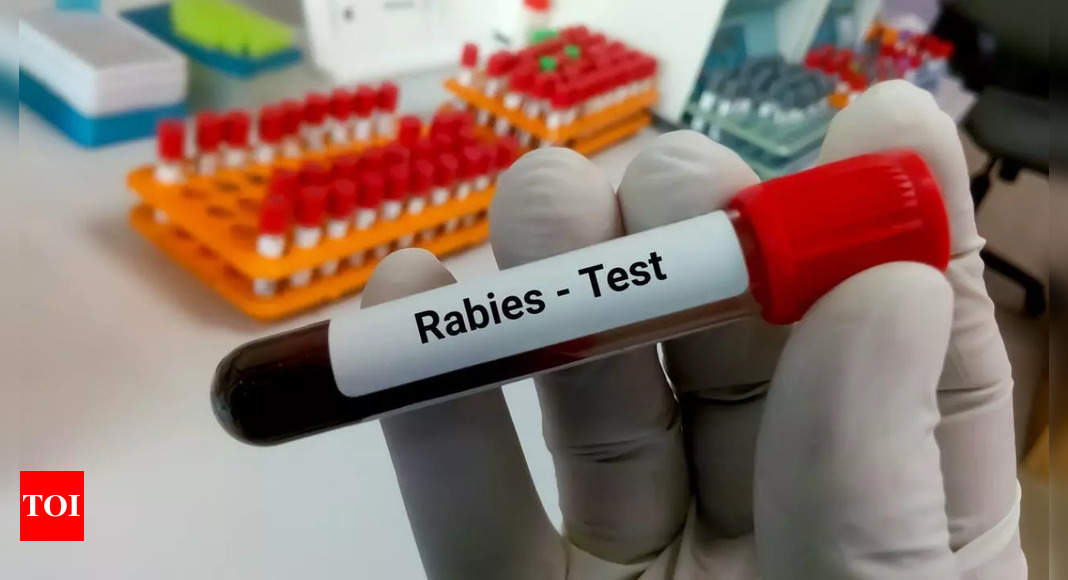

In a tragic turn of events, a Michigan resident has succumbed to rabies following an organ transplant in Ohio, as disclosed by the Toledo-Lucas County Health Department. Despite being preventable, rabies is almost always fatal once it infiltrates the central nervous system and symptoms appear. The Michigan Department of Health and Human Services confirmed that the transplant recipient, who underwent surgery in December, tragically passed away in January. Their investigation deduced that rabies was transmitted through the transplanted organ.
Although a rare occurrence, transmission of rabies through organ transplantation is plausible. A case study documented in the BMC Infectious Diseases Journal revealed instances in China, from 2015 to 2017, where four organ recipients were diagnosed with rabies, believed to have been transmitted from donors with undiagnosed viral encephalitis. It’s crucial, as experts in the study contend, to discard organs when rabies is suspected, especially in unexplained cases of encephalitis.
Rabies, a viral disease from the Lyssavirus genus under the Rhabdoviridae family, is predominantly transmitted through animal bites, with dogs being the primary source. The virus affects mammals and poses a significant risk to humans and animals alike. While the infection has a high fatality rate, effective vaccines are available if administered promptly after exposure. Symptoms typically manifest one to three months after exposure, initiating with fever and tingling at the exposure site before escalating to severe neurological symptoms as the brain and spinal cord become inflamed.
There are two types of rabies, furious and paralytic. Furious rabies symptoms include aggression, hallucinations, and hydrophobia, often leading to death from cardio-respiratory arrest. In contrast, paralytic rabies causes muscle paralysis, leading to coma and eventual death. Rabies can also spread through non-bite exposures, like infected saliva entering an open wound, although such cases are rare. Between 1950 and 1980 in the U.S., only 3% of rabies cases stemmed from non-bite exposures, primarily involving laboratory workers and spelunkers exposed to aerosolized virus particles.
Although rabies is not a food-borne disease, there have been isolated cases of transmission through other means. One such incident involved a woman in Uttar Pradesh, who contracted rabies from drinking milk from an infected cow. Additionally, historical records indicate a few instances where the virus spread through aerosolized particles in specialized environments.
For those potentially exposed, immediate action is crucial. Thoroughly washing the wound with soap and water and seeking medical advice promptly is essential. Post-exposure prophylaxis, administered before the onset of symptoms, is highly effective in preventing the fatal progression of the disease.
Rabies continues to challenge public health frameworks, highlighting the importance of thorough screening in organ transplantation and timely intervention following exposure. The incident underscores the critical need for vigilance and advanced diagnostic capabilities to prevent future occurrences.
Original Source: https://timesofindia.indiatimes.com/life-style/health-fitness/health-news/michigan-resident-dies-due-to-rabies-post-organ-donation-from-milk-to-open-wound-sources-of-rabies-other-than-animal-bite/articleshow/119611694.cms
Category :
Tags:
Publish Date: 2025-03-28 00:13:00