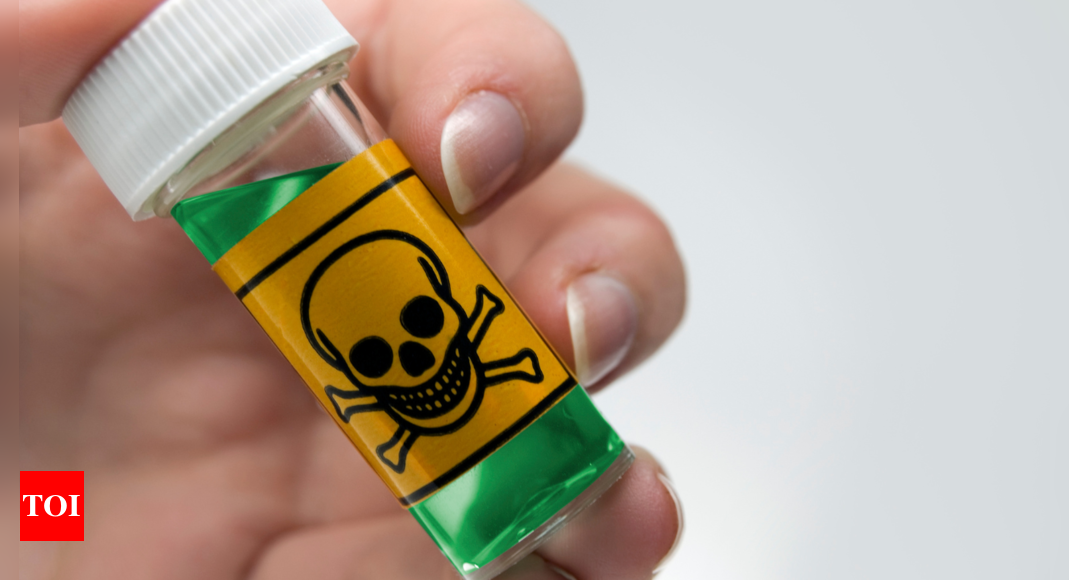

In our modern world, exposure to environmental toxins—both natural and synthetic—through food, air, and everyday products is unavoidable. These toxins pose significant public health challenges owing to their potential role in increasing cancer risk. Understanding these hidden dangers is crucial in empowering individuals to make informed decisions about their health. Benzene, for instance, is a prevalent industrial chemical found in vehicle emissions, cigarette smoke, and some household products. According to health experts, long-term exposure to benzene can interfere with normal cell function, raising the risk of cancer. To mitigate these risks, it’s advisable to enhance indoor air quality through proper ventilation and filtration while avoiding tobacco smoke.
In household settings, formaldehyde is a commonly used chemical and a known carcinogen present in building materials and personal care products. Dr. Nour Abuhadra, a Breast Medical Oncologist at Memorial Sloan Kettering Cancer Center, emphasizes that poor air circulation can heighten exposure to formaldehyde. Individuals are encouraged to choose formaldehyde-free furniture, utilize air purifiers, and opt for natural cleaning products to minimize everyday exposure.
Bisphenol A (BPA), another concern, is frequently found in plastic containers and food packaging. This chemical has been linked to hormonal disturbances that could increase cancer risk. Experts suggest reducing BPA exposure by using glass or stainless-steel containers for food storage and avoiding plastic bottles, particularly those marked with recycling codes 3 or 7.
Artificial food dyes, like Red Dye No. 3, used to enhance the appearance of processed foods, present another hazard. Recently banned by the FDA, this synthetic coloring has been associated with cellular damage and a heightened susceptibility to cancer. Dr. Maliha Nusrat, a Gastrointestinal Medical Oncologist at Memorial Sloan Kettering Cancer Center, advises consumers to read ingredient labels carefully, choose naturally pigmented foods, and favor minimally processed options to circumvent harmful additives.
Moreover, Rhodamine B, an industrial dye sometimes illegally used in spices and cooking oils, poses a substantial health threat. Studies suggest extended exposure to this dye could contribute to DNA damage and an increased cancer risk. Ensuring food safety by purchasing from reputable sources and selecting organic products helps minimize this risk.
Airborne toxins such as particulate matter, nitrogen dioxide, sulfur dioxide, and volatile organic compounds prevalent in urban pollution, along with tobacco use, alcohol consumption, and obesity, further amplify cancer risks. For non-smokers, these pollutants still present significant threats. Avoiding tobacco and alcohol, alongside maintaining a healthy weight with a plant-rich diet and regular exercise, are vital preventive measures.
To bolster defenses against environmental health risks, embracing lifestyle choices that support natural body defenses is essential. Maintaining a diet rich in fruits and vegetables, exercising regularly, using sunscreen, and choosing natural products over synthetic ones can collectively advance long-term cancer prevention. Although avoiding all carcinogens is unrealistic, informed choices and incremental changes in daily habits can significantly reduce cancer risk over time. Education, therefore, remains key in guiding individuals toward healthier, more protective lifestyles.
Original Source: https://timesofindia.indiatimes.com/life-style/health-fitness/health-news/6-every-day-toxins-that-increase-cancer-risk/articleshow/119116915.cms
Category :
Tags:
Publish Date: 2025-03-17 18:00:00