Flooding Alert: Assam Set to Unleash Comprehensive Plan for Urban Revival and Sustainable Water Governance

Assam Minister Unveils Ambitious Plan to Tackle Guwahati’s Persistent Flooding and Improve Urban Infrastructure
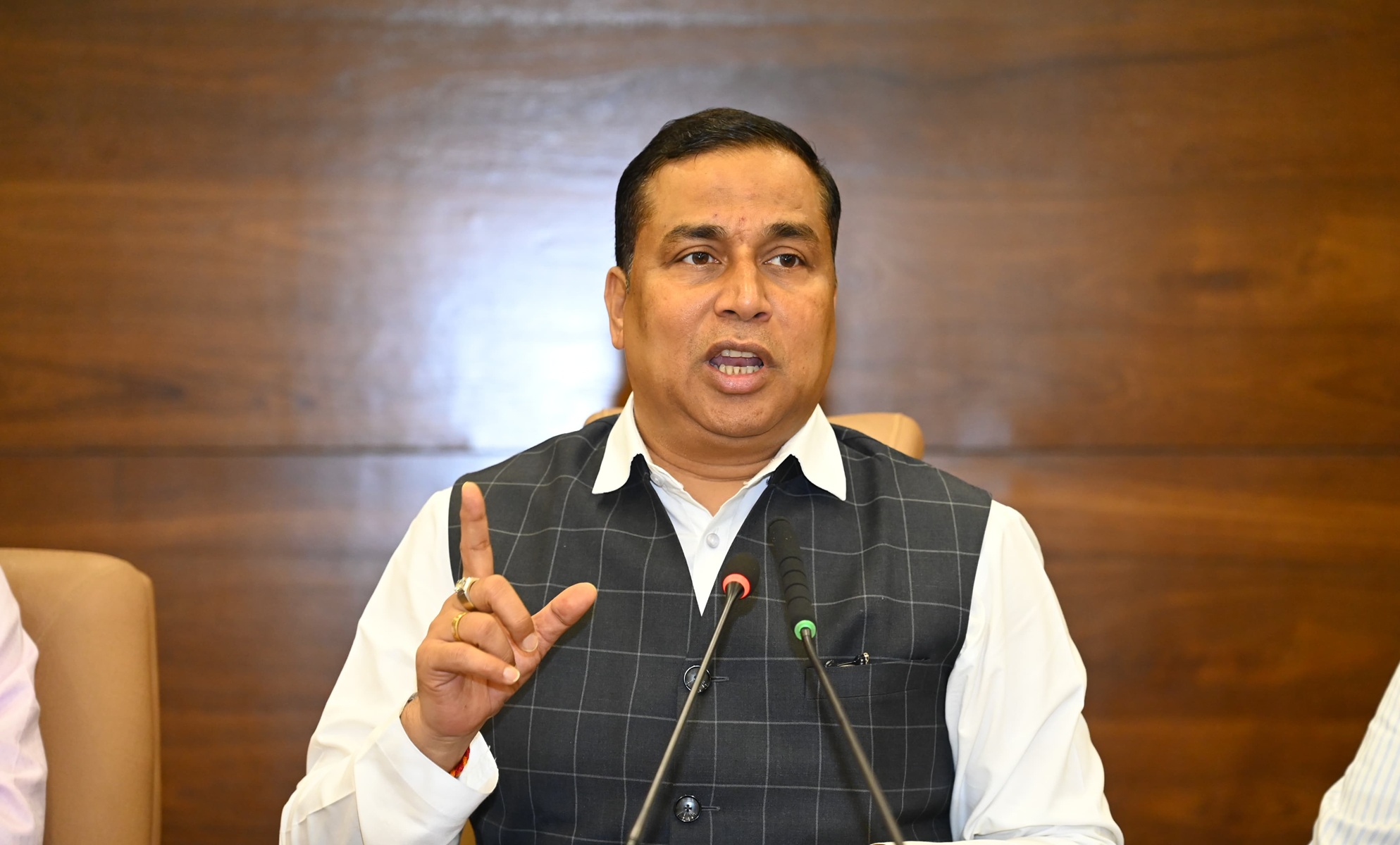
In a bid to address the city’s perennial flooding woes and revamp its urban infrastructure, Assam Tourism Minister Jayanta Mallabaruah on Thursday launched a comprehensive plan to tackle the issues. The multifaceted approach focuses on efficient drainage management, improved urban sanitation, and enhancing flood resilience in Guwahati.
Desiltation work has commenced, with completion scheduled by March, prior to the April flood season. The minister emphasized the importance of public participation, urging citizens to closely monitor the progress and provide feedback to ensure accountability. To facilitate this, 21 Monitoring Committees have been set up under the Disaster Management Act, comprising officials, ward representatives, and residents. These committees will oversee drainage projects and ensure quality execution, particularly in cases where contractor bids are unusually low.
The government has also adopted advanced solutions, diverting excess water from the city to Silsaku Beel and ultimately the Brahmaputra River. Large drains are being cleared using super-sucker machines, while smaller drains are being manually desilted by GMC, GMDA, and PWD teams. In the Khanapara region, efforts are underway to contain rainwater runoff from Meghalaya, which often overwhelms Guwahati’s drainage system.
The minister highlighted plans to transform Silsaku Beel into a major water reservoir to mitigate flooding, with restoration work set to begin soon. Illegal encroachments near the Beel will be removed, and satellite imagery will be employed to identify constructions impacting drainage, with strict action to follow, including demolition where necessary.
Urban sanitation efforts will involve developing three sewerage treatment hubs at Borsola, Silsaku, and Boragaon. A Rs. 1,460 crore project will be launched near Meghdoot Cinema Hall and Borsola, while a retention tank in Boragaon will direct excess water to the Brahmaputra via Deepor Beel. Additionally, open spaces and a Legacy Urban Forest in Boragaon will be created to promote ecological sustainability.
The Guwahati Jal Board will gradually take over the city’s water supply system from GMC, starting July 1 in select areas. Households transitioning to the Jal Board before the deadline will have their initial fees covered by GMC, while ration card holders will receive free water connections. Efforts are also underway to resolve frequent pipe bursts, with robotic surveys identifying pipe welding degradations and repairs underway. Future plans include adding surge tanks as recommended by IIT Guwahati.
The minister emphasized the importance of integrated urban planning, calling for collaboration with stakeholders like the Railway, OIL, and NHAI to address broader infrastructure challenges. Baruah emphasized the need for timely action, stating, "The success of these projects depends on collective effort and action." He reassured the public of the government’s commitment to making Guwahati a flood-resilient, sustainable, and well-planned city.
With a focus on public engagement and accountability, Assam’s plan to revamp Guwahati’s infrastructure appears ambitious, yet it remains to be seen whether it can effectively address the city’s persisting flooding issues. Only time will tell if the state’s efforts can deliver on its promises, but for now, the government’s plans offer a glimmer of hope for a better future for the city’s residents.
Original Source: https://nenews.in/assam/assam-to-tackle-floods-with-comprehensive-urban-water-management-plans/21693/
Category : Assam,Assam government,Flood,Minister Jayanta Mallabaruah,Plan
Tags:
Publish Date: 2025-03-13 18:19:00