
In a pivotal development concerning the ongoing conflict in Eastern Europe, Ukraine has signaled its willingness to support a 30-day ceasefire proposal put forth by the Trump administration after a recent high-stakes meeting held in Saudi Arabia. The talks, taking place in Jeddah, saw U.S. Secretary of State Marco Rubio and National Security Adviser Michael Waltz in discussions with Ukrainian officials, including Andriy Yermak, Chief of Staff to Ukraine’s President, Foreign Minister Andrii Sybiha, and Defense Minister Rustem Umerov. This diplomatic push aims to pause hostilities and resume U.S. military aid and intelligence sharing with Ukraine, which had been previously suspended.
The ceasefire proposal, however, remains contingent on Russia’s approval, with U.S. officials hoping to catalyze peace efforts in the region. As Secretary Rubio stated, “The ball is now in their court,” indicating that Russia’s response will be crucial for advancing the peace process. However, Russia’s absence from the talks underscores the complexities of securing an agreement, with prior signals from President Vladimir Putin indicating potential demands such as Ukraine’s exclusion from NATO as prerequisites for any ceasefire.
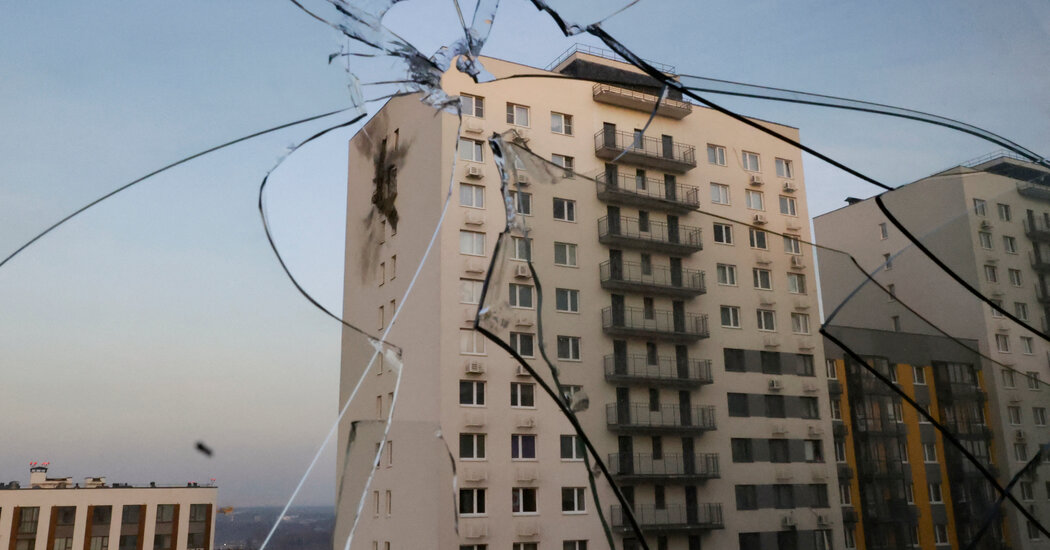
Amid these diplomatic efforts, tensions have flared with both Ukraine and Russia exchanging military strikes. Notably, Ukraine launched an extensive drone attack on Moscow, marking the largest such offensive since the war began, as claimed by Russian defense officials. Over 91 drones were reportedly intercepted in the Moscow region alone, highlighting the war’s persistent intensity. Meanwhile, Russian military operations continue to exert pressure on Ukrainian territories, further complicating prospects for peace.
The volatile state of affairs on the ground reveals a grim picture, with enormous casualties sustained over the prolonged conflict. Although Ukrainian forces have mounted resistance, especially in the Donetsk region, recent reversals in territorial control have shifted the momentum slightly in Russia’s favor, according to military analysts.
This thaw in U.S.-Ukraine relations follows a tense meeting at the White House earlier this year, where President Trump and Vice President JD Vance challenged Ukrainian President Volodymyr Zelensky over issues of gratitude and legitimacy. The diplomatic strain signals the complex dynamics at play, with Ukraine attempting to mend ties and align with U.S. strategies despite differing positions.
On the horizon, potential concessions remain a significant puzzle piece in the peace process. Rubio has hinted at the necessity for Ukraine to consider territorial compromises regarding land seized by Russia since 2014. The key issues of security guarantees and Russia’s conditions remain ambiguous in public statements, posing hurdles for tangible progress in negotiations.
Ukraine’s efforts to secure international backing, paired with European allies’ pledges of support, frame the broader context of geopolitical wrangling. The diplomatic landscape remains fluid, with the world closely monitoring these deliberations for signs of potential de-escalation in a long and costly conflict.
Original Source: https://www.nytimes.com/2025/03/11/world/europe/us-ukraine-talks-rubio-saudi-arabia.html
Category : Russian Invasion of Ukraine (2022),Drones (Pilotless Planes),International Relations,Defense and Military Forces,Rubio, Marco,Waltz, Michael (1974- ),Jidda (Saudi Arabia)
Tags:
Publish Date: 2025-03-12 02:47:00