Protect Your Health from Microplastics: 3 Simple and Effective Diet Changes to Reclaim Your Well-being

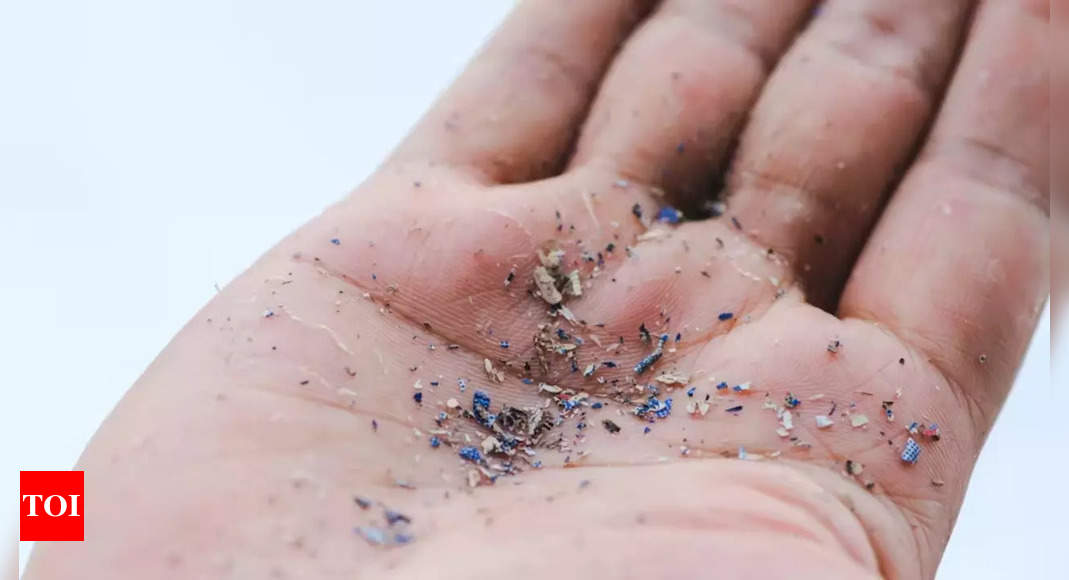
Every meal you consume might come with an uninvited guest: microplastics. These minuscule plastic particles have infiltrated our food systems through plastic packaging, contaminated water, and even the air we breathe. Alarmingly, scientific studies have detected microplastics in human blood, lungs, and even the placenta, sparking concerns over their potential health effects. Exposure to microplastics and nanoplastics (MNPs) has been linked to inflammation, oxidative stress, and impaired brain function, highlighting an urgent need to address this pervasive issue.
Microplastics are defined as plastic particles generally smaller than 5 millimeters that invade our food chain. Estimates suggest that between 10 to 40 million tons of these particles are released into the environment annually. Carried by wind and water, these contaminants find their way into our food, water, and air. The health impact of MNP exposure is profound; it has been associated with immune system dysfunction, metabolic issues, hormone disruption, and even organ damage. A revealing study published in Nature Medicine found that MNPs accumulate in the human brain, with dementia patients showing higher levels of these particles than healthy individuals. The alarming discovery that polyethylene-based MNP concentrations nearly doubled in people who died in 2024 compared to those in 2016 underscores the growing nature of this concern.
Fortunately, making informed changes to our diet can help mitigate the effects of microplastic consumption. One of the simplest strategies is to opt for fresh, whole foods over processed and packaged items. Many processed foods are enveloped in plastic, which sheds microplastics into the food, particularly when heated. Research has shown that regularly eating canned food can significantly elevate bisphenol A (BPA) levels—a harmful plastic compound—in the body. A simple shift, like replacing bottled water with tap water, can reduce microplastic intake from a staggering 90,000 to just 4,000 particles per year. Moreover, prioritizing fresh vegetables, grains, and proteins over industrially processed meals effectively curtails plastic exposure.
Careful selection and storage of food also play a crucial role in reducing microplastic intake. Most packaged foods, whether snacks or ready-to-eat meals, contain microplastic traces due to their packaging materials. Remarkably, studies have shown that steeping tea bags in hot water can release billions of plastic particles into the beverage. To minimize exposure, it is advisable to purchase fresh produce from local markets, store food in glass, stainless steel, or bamboo containers, and avoid canned foods that drastically raise BPA levels in a short span. Furthermore, using glass, ceramic, or stainless steel instead of plastic for heating food can prevent the release of billions of MNPs during the cooking process. Opting for wooden or bamboo utensils in the kitchen can further ensure you’re not inadvertently adding to your microplastic intake.
In terms of hydration, opting for filtered tap water over bottled alternatives is key, as bottled water has been found to contain significantly more microplastics. Implementing a high-efficiency particulate air (HEPA) filter in your home can also aid in reducing airborne microplastic exposure, drastically lessening respiratory intake. This comprehensive and proactive approach to minimizing microplastic exposure represents a significant step towards safeguarding not only our health but also that of the environment.
By making these conscious choices, individuals can considerably diminish their microplastic consumption, paving the way for healthier living in an increasingly plastic-laden world.
Original Source: https://timesofindia.indiatimes.com/life-style/health-fitness/diet/eating-food-invites-microplastics-inside-the-body-these-3-simple-diet-changes-will-reduce-that/articleshow/118837497.cms
Category :
Tags:
Publish Date: 2025-03-10 14:01:00