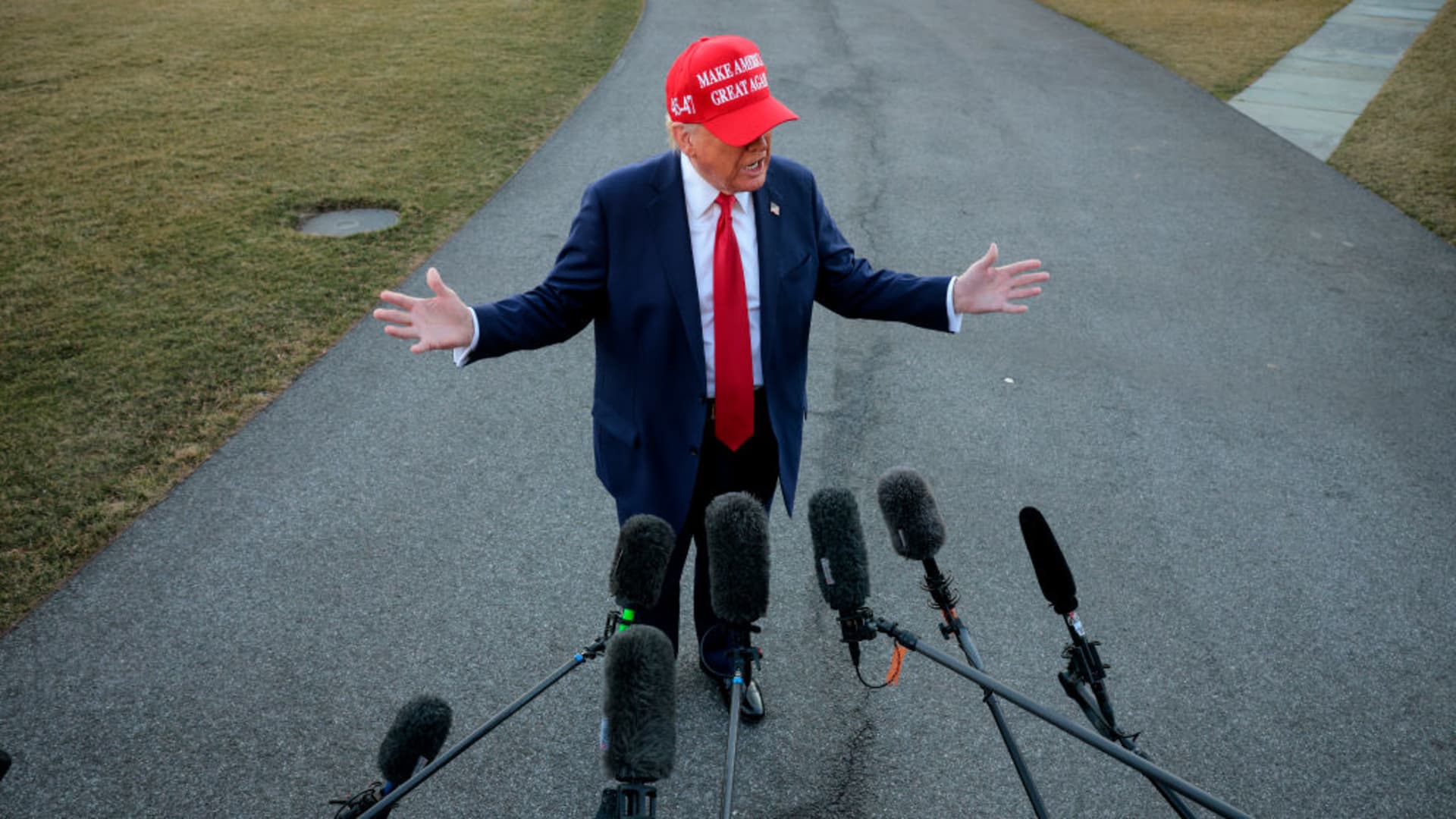

In a recent move, the Biden administration announced a one-month pause on automobile tariffs, drawing a positive response from Ford Motor Company. The White House’s decision came after dialogues with major stakeholders in the auto industry, notably the “Big Three” automakers—Ford, General Motors, and Stellantis—and Canadian officials. Ford emphasized its appreciation for the administration’s support, highlighting its substantial investments in the U.S. economy and its compliance with the United States-Mexico-Canada Agreement (USMCA).
Meanwhile, former Ford CEO Mark Fields warned of the potential repercussions if tariffs were to be imposed. Fields told CNBC that delaying tariffs is crucial as the auto supply chain, which has already been disrupted by issues like the semiconductor shortage, could suffer greatly. The potential tariffs threaten to escalate costs for suppliers more severely than automakers, aggravating existing financial vulnerabilities.
Market reactions to these tariff discussions have reflected investor anxieties, as observed through fluctuating stock indices. Michael Reynolds from Glenmede noted that the uncertainty surrounding the tariff policies could have multifaceted economic impacts. However, he emphasized the importance of clarity on tariff duration and scope.
In addition to the auto industry, potential tariffs on agricultural imports also pose inflationary risks, according to Bank of America. The tariffs set for implementation could elevate food prices, a concern given the food sector’s significant weight in the U.S. consumer price index.
The administration remains open to discussions regarding further tariff exemptions, particularly those that could foster economic stability. Karoline Leavitt, a White House spokesperson, indicated President Biden’s willingness to consider additional relief measures, though stated that broader reciprocal tariffs would go into effect soon.
Further complicating the trade landscape is a diplomatic strain with Canada, with President Biden critiquing Canada’s efforts to stem the flow of illicit drugs into the U.S. via its borders. Canadian Prime Minister Justin Trudeau, however, has rebuffed these claims, maintaining that Canada is actively combating the issue. There appears to be a continued effort for dialogue, as evidenced by ongoing talks between the two nations’ leaders.
China has also entered this contentious arena, appealing to the World Trade Organization over additional U.S. tariffs. Chinese authorities have expressed their readiness to confront these trade barriers, viewing them as unjustified.
Economists, including those at Bank of America, suggest that these tariffs, deemed “zombie tariffs,” are likely temporary, given the ongoing renegotiations of international trade agreements like the USMCA. There remains a cautious optimism that adjustments could mitigate economic disruptions.
In summary, the current trade dynamics are marked by complex negotiations, potential compromises, and an undercurrent of economic concern. While the Biden administration’s temporary tariff pause offers a reprieve for the auto sector, the broader implications of these trade policies continue to warrant close attention, encompassing both international diplomacy and domestic economic health. As these situations develop, stakeholders are urged to navigate the evolving landscape with strategic foresight.
Original Source: https://www.cnbc.com/2025/03/05/trump-tariffs-live-updates-china-says-its-ready-to-fight-any-type-of-war-us-wants-till-the-end.html
Category :
Tags:
Publish Date: 2025-03-06 03:26:00