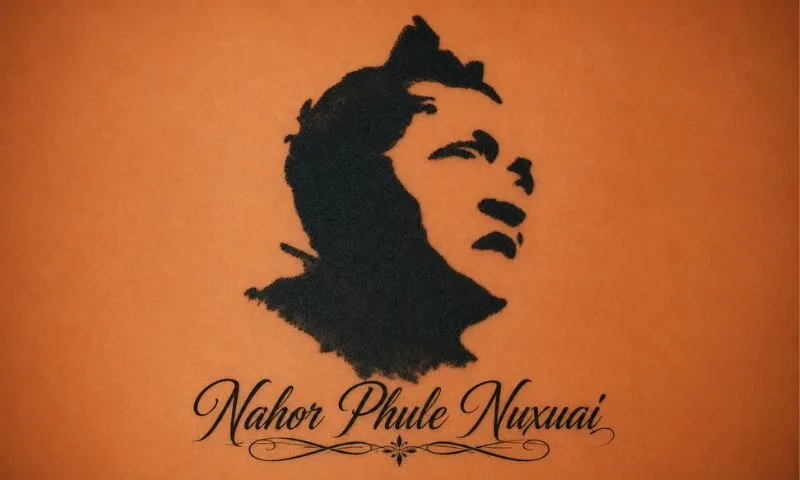

According to author Dr. Dilip Kumar Dutta, one of Assam’s most beloved romantic songs, Nahor Phule Nuxuai, owes its melodic spark to an unexpected transnational encounter: composer Kalaguru Bishnu Prasad Rabha heard a lively Spanish‑Portuguese tune while watching a film in a Calcutta cinema with Dr. Bhupen Hazarika and transformed that impulse into a wholly new Assamese composition that has since become a classic.
Bishnu Rabha, already a towering cultural figure in Assam, did not copy the original melody but absorbed its mood and rhythm, reworking the inspiration into a song that resonated deeply with Assamese listeners and earned lasting acclaim for its poetic beauty and haunting melody. Dr. Dutta’s account places the moment of inspiration at a simple cinema visit that led to a creative leap across languages and continents.
The original tune referred to in this lineage is Mama Eu Quero, popularised by Carmen Miranda in the Hollywood musical Down Argentine Way (1940). Miranda, a Portuguese‑born Brazilian singer, dancer and actress known for her flamboyant stage persona, helped carry the song into global popular culture. Mama Eu Quero later appeared in the 1943 Tom and Jerry cartoon Baby Puss and resurfaced on the world stage during the closing ceremony of the 2016 Summer Olympics.
The melodic journey did not stop at Assamese. An archival turn reveals a Karbi‑language adaptation of Nahor Phule Nuxuai in the 1988 documentary Rit Angtong, directed by Prafulla Saikia and produced with support from the Department of Agriculture and the Department of Cooperation under the Karbi Anglong Autonomous District Council. The film used local music and language to convey development messages to regional audiences.
That Karbi rendition brought together notable regional artists: Kadom Terangpi Saikia sang alongside Dr. Bhupen Hazarika, and Samson Hanche translated the lyrics into Karbi with sensitivity to the original’s emotional core. The adaptation preserved the song’s feeling while making it accessible to Karbi speakers.
Far from diminishing Bishnu Rabha’s originality, this multi‑stage history illustrates how musicians absorb and reshape global influences to produce works rooted in local culture. Nahor Phule Nuxuai stands as a vivid example of musical exchange — a melody that traveled from Brazilian cinema to an Assamese classic and onward into regional adaptations, acquiring new meanings at each stop.
Original Source: https://nenow.in/entertainment/the-fascinating-journey-of-nahor-phule-nuxuai-from-brazil-to-assam.html
Category: Assam,Entertainment,Top News
Tags:
Publish Date: 2026-07-05 23:35:00