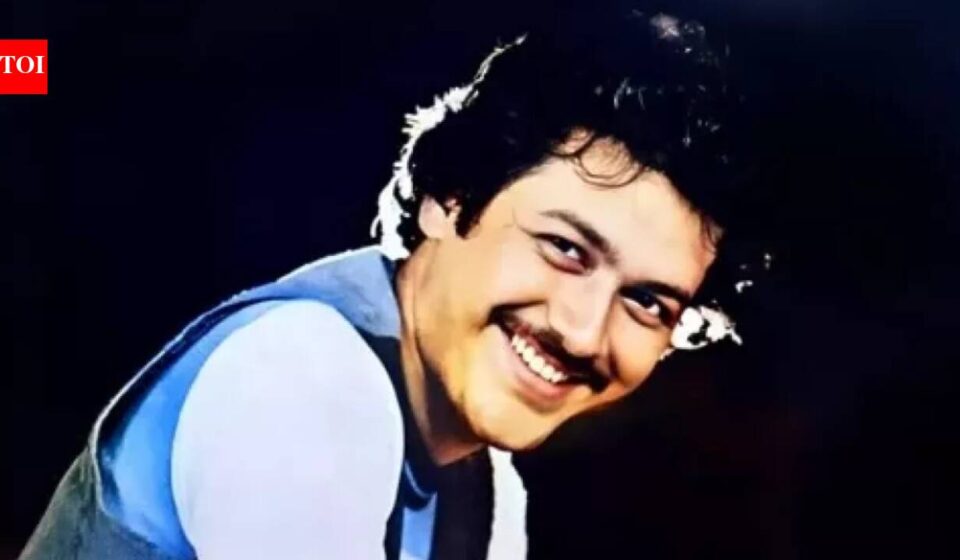
Exclusive: Raj Kiran’s Heartwarming Return Revealed! Rishi Kapoor’s Relief Over Actor’s Wellness at Atlanta Facility

The Vanishing Act of Raj Kiran: A Star Lost in Shadows
Bollywood, with all its glitz and glamour, has its fair share of inexplicable enigmas. A tapestry rich with charisma, the cinematic realm has witnessed stars fade into the shadows, and tales of unexplained disappearances stir intrigue and heartbreak. One such haunting story is that of Raj Kiran, the once-celebrated actor whose striking performances in films like Karz and Arth captured the hearts of many-yet left behind a trail of mystery as he vanished from the public’s eye.
Kiran’s cinematic journey began with the 1975 film Kaagaz Ki Nao, but it was the unforgettable Kissa Kursi Ka—ironically banned during the Emergency-that hinted he was destined for greater things. It was Subhash Ghai’s iconic musical thriller Karz (1980), alongside the beloved Rishi Kapoor, that catapulted him into the limelight. His magnetic presence in Mahesh Bhatt’s Arth (1982) alongside the indomitable Shabana Azmi cemented his status. The 1980s seemed golden for him, yet, as fate has it, the 90s swung in ominously, diminishing his roles to mere whispers.
But it was in 1996, amidst a heady mix of intrigue and scandal, that Raj found himself in a sensational headline-arrested for trespassing into Sai Baba’s sacred Puttaparthi Ashram using a tractor and a ladder. Yes, you read that right! The absurdity of his antics could rival any plot twist swirling in a Bollywood script. Although he secured bail thanks to his devoted father, the experience seemed to etch deeper lines of turbulence on his psyche. In a candid revelation to Cineblitz, he described life behind bars as “indescribable”—34 days filled with a chilling sense of uncertainty that would haunt anyone.
His later years became a poignant testament to the fragility of fame. Amidst declining opportunities and a personal life marked by marriage to Roopa and the birth of his daughters, Rishika and Mannat, Raj wrestled with the demons of depression. The laughter and joy that buoyed his early interactions began to fade away, plunging him into a reality that felt more like a nightmarish sequel.
Rumors hinted he had sought respite in the United States, where family dynamics fizzled into silence. By 2003, communication came to an abrupt halt, with him fading into obscurity. His kin, undeterred by the long stretch of silence, have tirelessly searched for him, holding onto hope while grappling with the harrowing specter of his mental health struggles.
Mahesh Bhatt, who played a formative role in shaping Raj’s career, once recalled visiting him in a psychiatric ward-a shadow of the vibrant persona once shared. In a poignant reflection, he recalled meeting a man robbed of his spirit, leaving behind a stark reminder that mental health issues cast long shadows in the corridors of fame.
Amidst whispers of Raj being confined in a mental health institution in Atlanta, assertions have often crumbled into silence. Rishi Kapoor, once buoyed by the possibility of Raj being alive, recalls a bittersweet chat with his brother, only for other reports to rain on this brief hope. By 2011, his daughter, Rishika, laid bare the heartbreaking reality-the family had expended all efforts to trace him, and nothing indicated he was receiving help in Atlanta.
Though the industry may have turned a blind eye, Raj Kiran’s saga becomes a stark reminder of the precarious nature of stardom. In a world that celebrates the ephemeral, it is stories like his that ask us to look behind the curtains, seeking not just the glamour, but the humanity that thrives within the art of cinema. And while we navigate this fragmented tale, one thing remains clear: hope, like cinema, is quintessential and enduring.