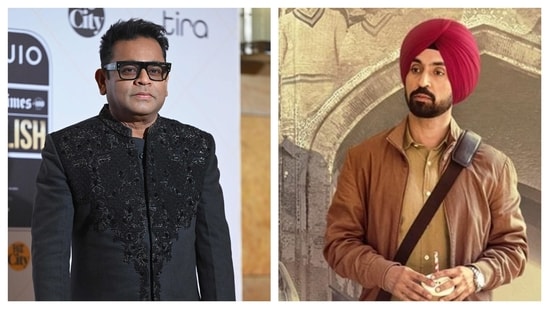
Exclusive: AR Rahman’s Hilarious Reaction to ‘Anti-National’ Claim on Imtiaz Ali’s Main Vaapas Aaunga! Don’t Miss This Buzz!

The Buzz Surrounding Main Vaapas Aaunga: An Ode to Normalcy in a World of Terrorism
Ah, Bollywood! A dazzling realm where glamour reigns supreme, yet reality finds itself in a hapless tug-of-war with fiction. Enter Main Vaapas Aaunga, a film that’s taken the box office on a rollercoaster ride of emotions and controversies. Directed by the masterful Imtiaz Ali, this cinematic gem has garnered a dedicated audience, powered by the kind of word-of-mouth that could ignite a bonfire!
But hold the applause-this film isn’t without its detractors. A segment of netizens has erupted on social media, emitting a cacophony of accusations branding the film as “anti-national.” And who stepped into the fray in defense of Ali’s vision? None other than the maestro himself, Oscar-winning composer, A.R. Rahman. With a wink and a laugh, he brushed off the controversy like an old pro.
Recently, Rahman stumbled upon an eyebrow-raising satirical post on Instagram that mockingly questioned the film’s narrative. “Anti-National? Movie dares to show Pakistan without terrorists and secret agents!” the post gleefully declared, expertly lacing humor into its social commentary. The creator of this clever jab painted a picture of a viewer who, expecting the usual tropes of espionage, left the cinema perplexed, having encountered a film that depicted “normal humans” in Pakistan rather than the typical caricatures of villains visitors have grown accustomed to in Indian cinema.
In a touch that only someone like Rahman could deliver, he shared this post on his Instagram Stories, accompanied by a laughing emoji-an eloquent dismissal of the harsh criticisms leveled at Main Vaapas Aaunga. With this playful act, Rahman not only acknowledged the absurdity of the debate but also patted Ali on the back for daring to take a different route-a refreshing breath in the often-stale annals of cross-border narratives in Indian films.
The film itself is a poignant exploration of love and loss, set against the tumultuous backdrop of the 1947 Partition, giving us Diljit Dosanjh, Naseeruddin Shah, Sharvari, and Vedang Raina in roles that tug at your heartstrings. Imtiaz weaves a rich tapestry of stories that delve into themes of migration and belonging-a narrative not often depicted with such sensitivity or grace.
On the musical front, Main Vaapas Aaunga marks a remarkable fifth collaboration between Ali and Rahman, who, alongside lyricist Irshad Kamil, churned out a soundtrack that lingers long after the credits roll. With songs like “Kya Kamaal Hai” and “Ishq Mastana,” each note resonates with the emotional highs and lows of the film, crafting an auditory experience that’s as compelling as the story itself.
The film had a rather hesitant start, raking in a modest ₹1.15 crore on its opening day. However, like a phoenix rising from the ashes, the tides turned, and encouraging audience feedback lifted its earnings to ₹1.25 crore on its first Monday-proving that good storytelling can indeed turn skeptics into believers. As of now, Main Vaapas Aaunga has collected ₹9.81 crore in its first week, showcasing the enduring appeal of films that dare to challenge the status quo.
So, will Main Vaapas Aaunga continue to ascend, proving naysayers wrong with its heart and honesty? With Rahman’s laughter echoing in the background, one can only hope that cinema continues to explore the human side of narratives often defined by conflict, thereby weaving a rich tapestry of diverse voices, hopes, and dreams. And who knows? Maybe that’s precisely the magic Imtiaz Ali is striving for. After all, the truth often lies somewhere between the glimmer of glamour and the cry for realism.