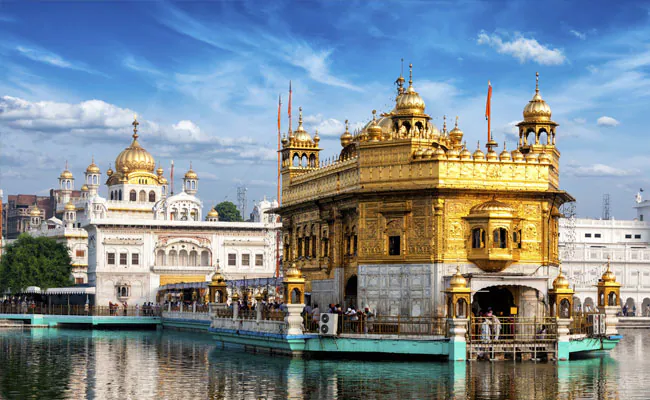

Every early June Amritsar carries a different air: not just heightened security or police flag marches, but the return of a collective memory — the anniversary of Operation Blue Star. The 1984 military operation inside the Sri Darbar Sahib complex is officially recorded as a counter-insurgency action to remove armed militants led by Jarnail Singh Bhindranwale, but millions of Sikhs in Punjab and the diaspora remember it as a “Ghallughara” — a deep collective wound tied to faith, identity and dignity. This year, the Shiromani Gurdwara Parbandhak Committee (SGPC) and the Akal Takht have urged Sikhs to observe the anniversary as “Martyrdom Week” from June 1 to June 6, 2026, peacefully and within “Panthic maryada.”
The term “Ghallughara” carries heavy historical meaning in Sikh memory, used to describe large-scale massacres such as the Chhota Ghallughara of 1746 and the Vadda Ghallughara of 1762. For many, the entry of military forces into the holiest Sikh shrine was not merely a tactical decision but an emotional rupture. Punjab in 1984 was experiencing intense militant violence and a security crisis; that context is not in dispute. Yet the choice of place and timing left lasting scars for the community.
Religious institutions have sought to channel remembrance into peaceful rites. Akal Takht’s officiating Jathedar, Giani Kuldeep Singh Gargaj, has urged unity and decorum, while SGPC president Harjinder Singh Dhami appealed to gurdwara committees to mark the week with remembrance and ardas. At the same time, law-and-order authorities treat the anniversary as one of the most sensitive dates in Amritsar’s calendar. Senior police officers routinely review arrangements, and the Amritsar Commissionerate Police conducted a citywide flag march ahead of this year’s events. Praveen Kumar Sinha, Special Director-General of Police (Law and Order), said the official objective is to ensure that remembrance remains peaceful.
Tensions persist: in past observances pro‑Khalistan slogans have been raised after ardas at the Akal Takht, and groups such as Dal Khalsa have traditionally called for an Amritsar bandh and held remembrance marches. For the 42nd anniversary in 2026, Dal Khalsa announced two days of events, including a bandh on June 6 and a parade on the evening of June 5 from Burj Akali Phoola Singh.
The deeper question is not vocabulary but recognition. Many Sikhs say healing will come only through honest engagement: sustained dialogue with Sikh thinkers, religious leaders, farmers, youth and the diaspora, meaningful justice, and investment in Punjab’s future. The pain of June 1984 was compounded by the organised violence of November 1984, which many survivors and Sikh groups describe as genocidal; that second trauma intensified the sense of betrayal.
Punjab does not need more anger; it needs responsible remembrance, truthful accountability and real reconciliation. Remembering 1984 with dignity does not preclude safety or unity — it demands recognition that wounds cannot heal through silence alone. (Ravinder Singh Robin is a broadcast journalist with over two decades of experience covering Punjab and Sikh affairs.)
Original Source: https://www.ndtv.com/opinion/opinion-why-operation-blue-star-remains-a-ghallughara-for-sikhs-after-42-years-11600341#publisher=newsstand
Category:
Tags:
Publish Date: 2026-06-06 18:56:00