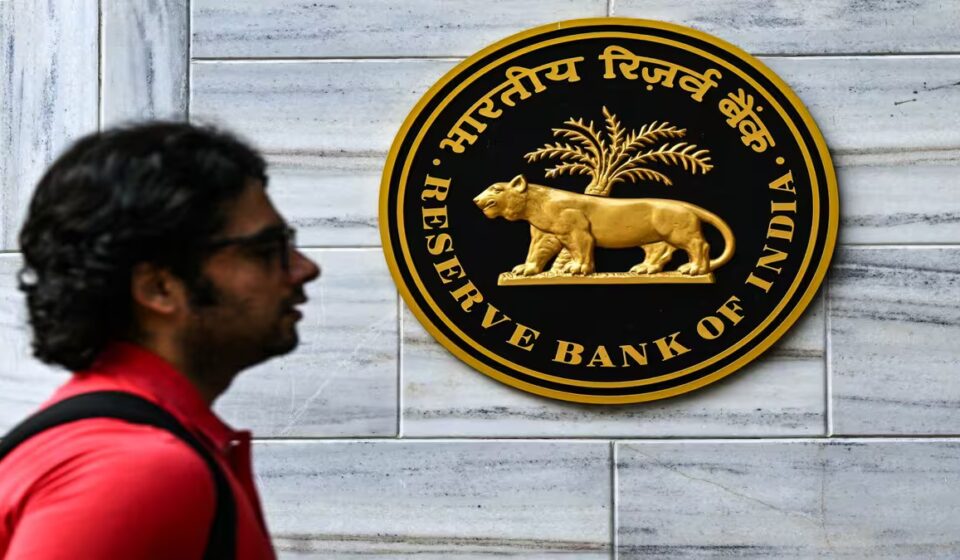

The Reserve Bank of India’s Monetary Policy Committee on Friday kept the repo rate unchanged at 5.25% in a unanimous decision, retaining a neutral stance while simultaneously trimming growth forecasts and raising inflation projections — a signal of caution as policymakers weigh rising oil prices, global uncertainty and domestic risks. The standing deposit facility rate remains at 5.0% and the marginal standing facility and bank rates at 5.5%. Governor Sanjay Malhotra said the RBI preferred to wait for greater clarity on oil price trajectories, supply‑chain disruptions and inflation before altering policy.
The central bank cut its FY27 GDP forecast to 6.6% from 6.9% in April, citing higher energy costs, supply disruptions and slowing global demand. Quarterly GDP projections are now 6.6% in Q1, 6.3% in Q2, 6.5% in Q3 and 6.8% in Q4. While domestic demand, manufacturing and services activity remain resilient and investment has held up, the RBI noted that some high‑frequency indicators show early signs of moderation in parts of the economy.
Inflation expectations were revised sharply upward: the RBI raised its FY27 consumer price inflation forecast to 5.1% from 4.6%. It now expects inflation to average 4.2% in Q1, 5.1% in Q2, 5.9% in Q3 and 5.4% in Q4. Malhotra said India’s crude basket averaged around $110 per barrel over the past two months, well above earlier assumptions, and pointed to rising costs for LPG, industrial raw materials, chemicals, base metals, rubber and plastics that could pass through to consumers. He warned that inflation “could move closer to the upper end of the RBI’s tolerance band later this year before easing once supply shocks begin to fade,” and cautioned that “generalisation of inflation through second‑round effects on expectations and wages is a distinct possibility warranting a close vigil.”
The policy statement highlighted external and weather risks: conflict in West Asia has tightened energy markets, supply chains remain strained, and the RBI flagged a projected sub‑normal southwest monsoon and possible El Niño as threats to agricultural output, food prices and rural demand. To support external stability, the central bank announced measures to attract foreign capital, ease some investment restrictions and encourage external commercial borrowings, while reiterating it does not target a specific rupee level but will act to curb excessive volatility.
Markets broadly welcomed the pause. Hero FinCorp MD & CEO Abhimanyu Munjal said the unchanged rate “brings stability amid global uncertainty” and provides “greater clarity for lending and planning,” particularly for retail and MSME segments. CREDAI president Shekhar Patel and several developers noted improved predictability for housing finance, even as industry leaders cautioned that inflation and energy prices remain key watchpoints. Ankit Agarwal of Alankit described the RBI’s neutral stance as a “careful balancing act” between supporting growth and managing inflation risks. By pausing, the RBI has bought time to assess these shocks — but with inflation now projected above 5% and downside growth risks rising, the central bank faces a tougher outlook in the months ahead.
Original Source: https://www.firstpost.com/business/rbi-mpc-meeting-2026-five-key-takeaways-governor-malhotra-policy-statement-14019146.html
Category: India
Tags:
Publish Date: 2026-06-05 13:45:00