Beyond the Hype: Architecting Creator Audio Infrastructure

We celebrate breakthroughs in generative voice and conversational AI – the large models, the multimodal demos, the studio-grade synthesised voices – but we rarely interrogate the very first link in that value chain: how the audio was captured. High-quality AI outcomes start with how sound is recorded at the edge.
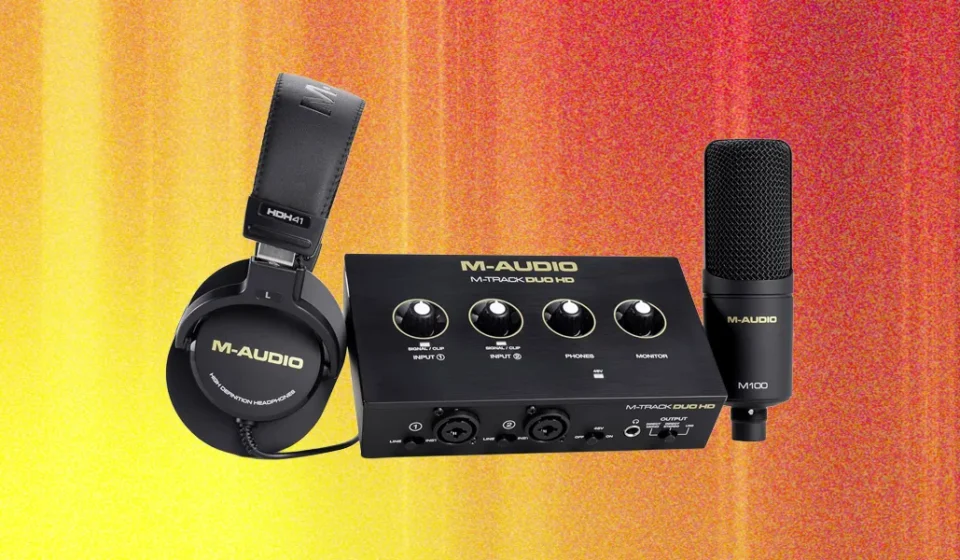
From a single review of an inexpensive, bundled “producer” kit (audio interface + condenser mic + headphones) one clear signal emerges: entry-level hardware has matured enough to put decent capture into almost anyone’s hands. That’s good for inclusion and creativity – and it also forces enterprises to confront a set of architectural and governance realities that too often sit beneath the gloss of model-level improvements.
Why the capture layer matters for enterprise systems
- Data fidelity drives downstream model performance. Condenser microphones and modern class‑compliant USB interfaces make it trivial for a contributor to capture intelligible, broadcast‑quality audio. But they are also more sensitive to ambient noise and handling artifacts. For teams building speech recognition, voice analytics, or personalised assistant services, this means wildly variable input quality: from close‑mic, low‑noise desktop recordings to room‑tone‑heavy, mobile captures. Models trained on narrow, studio‑clean datasets will underperform in the wild.
- Heterogeneity is the norm, not the exception. The proliferation of low-cost, mobile‑friendly audio devices increases the diversity of device drivers, sample rates, and channel configurations feeding your pipelines. Enterprises must design ingest layers that normalise these differences and carry device metadata forward into model training and analytics.
- Edge processing and privacy are strategic levers. Modern interfaces and mobile OSes enable on‑device preprocessing (AGC, high‑pass filtering, noise suppression) before data ever leaves the user’s phone. For privacy‑sensitive deployments – and for regulatory regimes with data localisation and consent requirements – keeping inference or at least the first pass of denoising on the device reduces legal exposure and latency while improving perceived UX.
- Tech debt hides in cheap gear. Commodity hardware often lacks features professionals take for granted (e.g., dedicated HPF, mechanical isolation, calibrated preamps). That absent functionality shifts complexity into software: more aggressive filtering, adaptive gain control, and per‑session calibration routines. Without deliberate architecture, this operational overhead becomes long‑term debt.
What CTOs and architects should do now
- Treat the capture layer as first‑class: log device model, driver version, sample rate, and basic capture settings with every upload. This metadata powers diagnostics, bias analysis, and targeted model retraining.
- Implement an audio‑ingest contract: a minimal, versioned pipeline that normalises levels, tags clipping, applies context‑aware denoising, and surfaces quality scores for downstream models to condition on.
- Invest in hybrid edge/cloud processing: run deterministic, lightweight preprocessing (HPF, RMS normalisation, VAD) on device; reserve heavy DL denoising and feature extraction for the cloud if privacy/latency permits. Feature parity between on‑device and server pipelines avoids surprise regressions.
- Make datasets reflect the real world: augment studio data with recordings from low‑cost kits, mobile captures, and noisy environments. Use domain‑aware augmentation so models learn to ignore domestic sounds, local accents, and different mic characteristics.
- Operationalise device calibration and UX: small in‑app calibration steps (speak a phrase, set distance, visual gain feedback) materially reduce clipping and handling noise without additional hardware cost.
A practical tie for India and similar markets
Affordable capture hardware lowers the barrier for creators across Bharat, enabling regional language datasets and democratized audio publishing. But that opportunity must be matched with deliberate governance: consent flows in local languages, retention policies tuned to DPI needs, and support for low‑bandwidth uploads. For startups in the Northeast and across India, the combination of inexpensive edge capture plus smart preprocessing is a low‑cost path to building voice services that are both locally relevant and enterprise‑grade.
Key takeaways
- Don’t outsource audio quality to luck – design for heterogeneity.
- Capture metadata is as valuable as the waveform.
- Balance on‑device preprocessing for privacy and latency with cloud‑scale model training.
- Augment training data with realistic, low‑cost device captures to reduce bias.
- Small UX investments (calibration, gain meters) lower operational tech debt.
If you want durable voice products, you must start by designing for the weakest microphone in your ecosystem – that is where your architecture, data strategy, and trustworthiness are truly tested.
About the Author: Sanjeev Sarma is the Founder Director and Chief Software Architect at Webx Technologies. With a core focus on Generative AI integration, Cloud-Native Scalability, and Enterprise Software Architecture, he has spent over two decades driving digital transformation across Northeast India and beyond. Beyond his corporate leadership, Sanjeev is deeply invested in shaping the future of the IT industry. He serves as an Industry Expert on the Board of Studies for Assam Don Bosco University’s School of Technology, advises state technology committees, and actively mentors emerging tech startups at STPI. He brings a unique, dual perspective of high-level enterprise execution and future-ready academic curriculum development.