Warsh’s Bold Push for ‘Regime Change’ at Senate Hearing: Unveiling a Controversial Strategy That Could Shift Power Dynamics

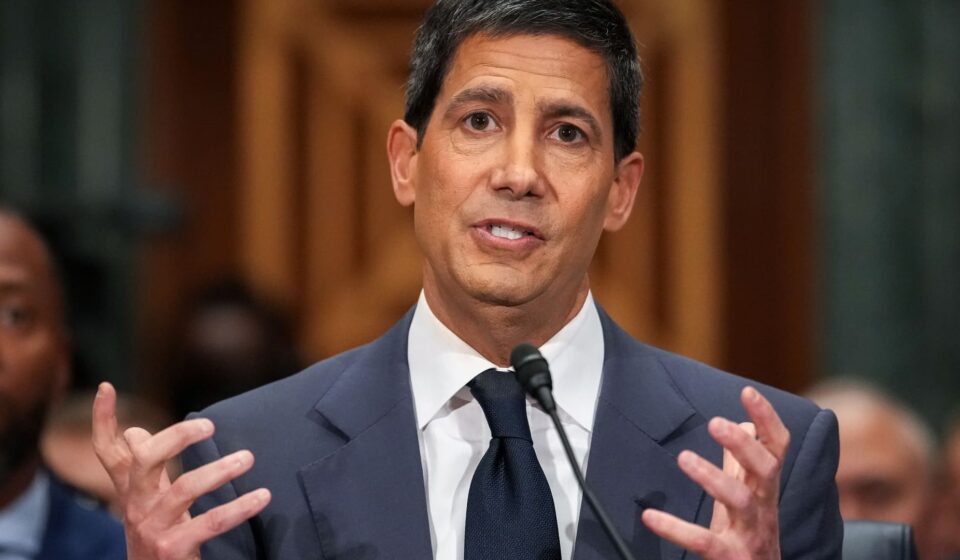
During his Senate confirmation hearing on Tuesday, Kevin Warsh faced intense scrutiny regarding his personal finances, his ties to President Donald Trump, and his enthusiastic views on artificial intelligence. Yet, one critical aspect of his candidacy-the so-called “regime change” he envisions for the Federal Reserve-went largely unchallenged. Warsh has long advocated for a radical shift in the Fed’s approach, including a redefinition of “inflation.” If confirmed swiftly, he aims to implement sweeping changes, including significant interest rate reductions, which he acknowledges could provoke dissent among current Fed members.
Warsh, nominated by Trump in January, has been under fire regarding his credibility and the president’s alleged influence over monetary policy. Trump has been vocal about wanting interest rates slashed to 1% and has made moves to shake up the Fed’s leadership. In response to questions about his discussions with Trump, Warsh insisted, “The president never generally or specifically instructed me or suggested I should commit to any interest rate path whatsoever.”
However, his testimony included contentious exchanges. Senator Jack Reed, D-R.I., critiqued Warsh’s evasiveness, commending his ability to dodge questions while expressing concern that it was not a suitable skill for the Fed chair. Former Fed Chair Janet Yellen expressed skepticism, stating, “I really don’t see the FOMC accepting this in the short run,” pointing to the substantial majority needed to achieve policy changes.
Despite the doubts, Warsh has spent his time since leaving the Fed in 2011 placing himself in opposition to its current operations. He referred to economist Milton Friedman during the hearing, suggesting that the “tyranny of the status quo” hampers necessary reform. Warsh’s agenda includes discontinuing regular press conferences and abandoning forward guidance-methods employed by the Fed to communicate its interest rate objectives. He also dismisses the Fed’s core personal consumption expenditure metric as merely a “rough swag” for understanding inflation.
Warsh’s proposals reflect his belief that the Fed’s muddled policies have contributed to rising interest rates, adversely affecting Americans with higher mortgage and credit card costs. He argues the institution has lost its credibility, particularly due to extensive asset purchases post-2008 financial crisis, which he once claimed should have been rolled back long ago. He perceives the current state as one where “market discipline” has been neglected, leading to a fragile economy.
He attributes recent financial turbulence-like the Silicon Valley Bank failures-to a decade of what he terms “free money,” suggesting that the Fed’s interventions have bred complacency among market participants. Warsh contends that the Fed’s overarching framework since the crisis is misguided, arguing that solutions require more than just minor adjustments to interest rates; they demand a cultural overhaul within the institution.
As Warsh’s nomination process unfolds, the timing could influence his ability to advocate for rate cuts consistent with Trump’s wishes. Should the confirmation process drag on, shifting economic conditions might shift focus from current crises, potentially favoring his position on rate reductions. Observers note that internal dissent within the Fed could bolster Warsh’s narrative of a central bank similarly adrift. The Senate’s inquiry reflects a broader uncertainty about whether his vision can resonate amid existing challenges.
In a climate of deep division within the Fed, Warsh’s approach and the Senate’s mixed response set a compelling stage for future monetary policy debates. As the confirmation process plays out, the implications for both the Federal Reserve and the economy at large remain to be seen.
Original Source: https://www.cnbc.com/2026/04/21/kevin-warsh-fed-regime-change-senate-confirmation-hearing.html
Category :
Tags:
Publish Date: 2026-04-22 01:27:00