Kevin Warsh’s Federal Reserve Confirmation Hearing: Transformative Insights and Game-Changing Takeaways

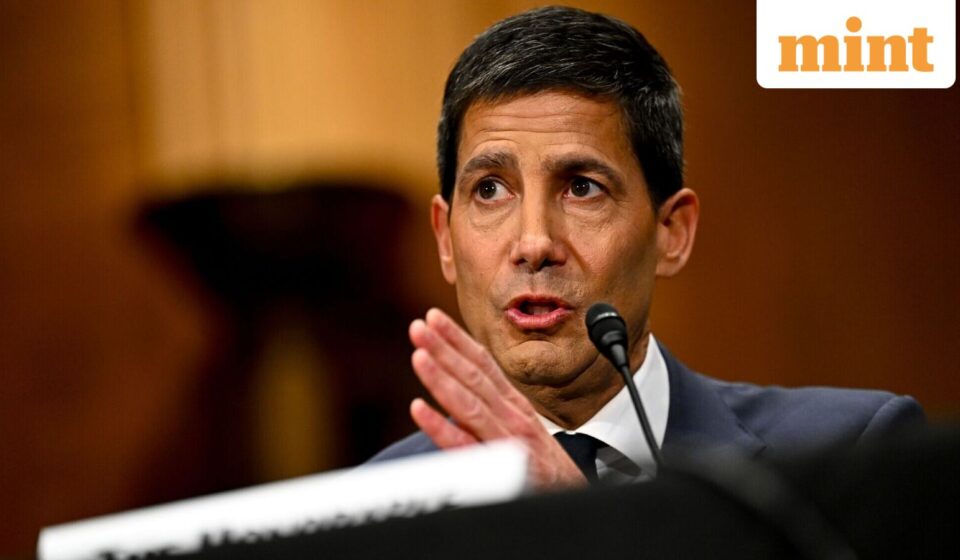
Kevin Warsh’s confirmation hearing as President Donald Trump’s nominee to lead the U.S. Federal Reserve has sparked intense discussions regarding the independence of the central bank, inflation management, and the future trajectory of monetary policy. Warsh firmly asserted that he would resist any political pressure, including from Trump, stating, “I will absolutely not act as the President’s puppet,” and emphasizing, “The conduct of monetary policy remains strictly independent.” He stressed that no political figure had ever coerced him into predetermined interest rate decisions, insisting, “The president never asked me to predetermine, commit, fix, decide on any interest rate decision… nor would I ever agree to do so.”
While acknowledging that presidents often express their views on interest rates, Warsh maintained that this does not inherently jeopardize the Fed’s independence. “I do not believe the operational independence of monetary policy is particularly threatened when elected officials state their views on interest rates,” he observed, further steering away from endorsing Trump’s demands for aggressive rate cuts.
Warsh expressed significant criticism of the Federal Reserve’s handling of the post-COVID inflation crisis, attributing the current surge in prices to what he termed “fatal policy errors going back four or five years.” He highlighted the ongoing burden of inflation on American households and cautioned that once it entrenches itself, controlling it becomes increasingly difficult.
Calling for a strategic shift, Warsh advocated for an overhaul of the Fed’s operational framework. He proposed developing “a new and different inflation framework,” enhancing communication methods, and urged Fed officials to curb public speculation on interest rates. “What the Fed needs are reforms to its frameworks and reforms to its communications,” he explained, noting that excessive commentary on rate expectations is “quite unhelpful.”
Emphasizing the critical nature of inflation control, Warsh asserted that it must remain the Fed’s foremost mission. “Inflation is a choice, and the Fed must take responsibility for it,” he declared, reinforcing the idea that low inflation is crucial for economic stability.
In remarks that highlighted a blend of traditional and modern economic thought, Warsh noted that advancements in technology, particularly artificial intelligence, might enhance productivity and thereby rationalize lower interest rates. However, he recognized the unpredictable timeline for these transformative effects.
Warsh also took issue with the Fed’s existing communication strategies, criticizing the frequent public discussions regarding prospective rate changes. He indicated uncertainty about maintaining the customary post-meeting press conferences, suggesting potential adjustments to the central bank’s transparency approach.
As Warsh’s nomination moves forward, it faces scrutiny from members of both political parties, reflecting deep divisions over the Fed’s independence, inflation management strategies, and the ongoing political context surrounding Fed officials. His confirmation will require the backing of the Senate Banking Committee before a full Senate vote can take place.
Warsh’s views and proposed reforms encapsulate critical debates over the future of U.S. monetary policy, making his appointment a focal point in discussions about the balance between political influence and central bank autonomy.
Original Source: https://www.livemint.com/news/us-news/kevin-warsh-s-federal-reserve-confirmation-hearing-key-takeaways-11776795127280.html
Category :
Tags:
Publish Date: 2026-04-22 00:08:00