Japan and South Korea Stocks Surge Higher: Investors React to Trump’s Tense Iran War Comments and Extended Deadline!

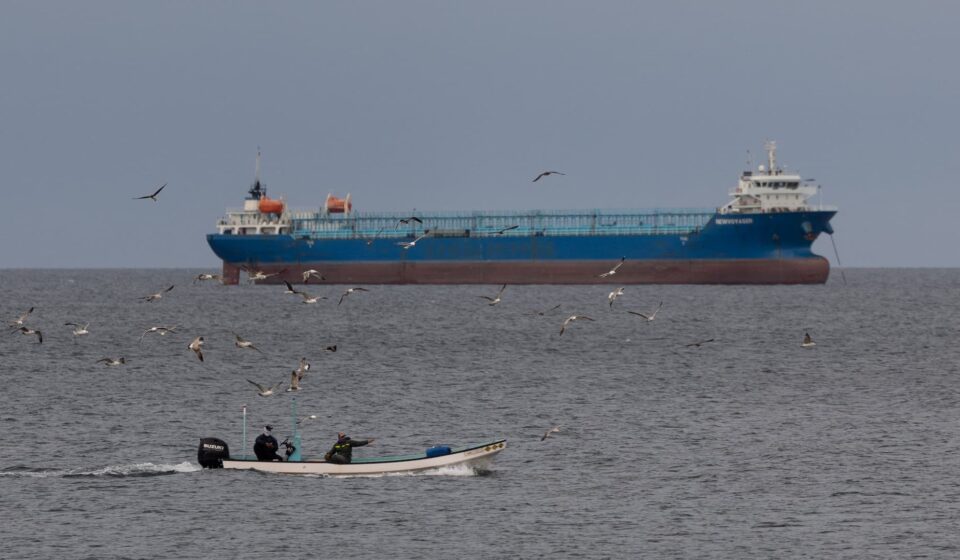
A small boat with fishermen glided past a vessel anchored off Sultan Qaboos Port in Muscat, Oman, amid escalating tensions stemming from the U.S.-Israeli conflict with Iran. This scene unfolded on March 25, 2026, as regional and global markets reacted to significant developments over the weekend.
On Monday, while many Asian stock markets were closed for holidays, Japan and South Korea experienced notable gains. Japan’s Nikkei 225 climbed 0.62%, while the broader Topix index rose by 0.23%. South Korea’s Kospi advanced 1.8%, and the small-cap Kosdaq increased by 0.98%. The upward trends in these markets come as investors closely analyze the intensifying geopolitical situation in the Middle East.
President Donald Trump made headlines on Sunday with a series of threats directed at Iran, warning of impending military action against Iranian power plants and civilian infrastructure. Trump’s remarks came after U.S. forces successfully rescued an American airman from Iran. He set a deadline of 8 p.m. Eastern Time on Tuesday for Tehran to reopen the strategic Strait of Hormuz, a vital waterway that historically channels approximately one-fifth of the world’s oil supply.
In a starkly charged social media post, Trump stated he would bring “Hell” to Iran if it did not comply with his demands. The White House further clarified that Tuesday would also mark a new deadline for Iran to establish a deal with the United States. Amid these tensions, Trump announced a press conference scheduled for 1 p.m. Monday, where he plans to address the military’s role in the situation.
Iran has firmly rejected Trump’s ultimatum concerning the Strait of Hormuz, declaring that the waterway would only be reopened fully after compensating for the damages inflicted by the ongoing conflict. In retaliation to U.S. actions, Iran has targeted economic and infrastructure sites within the Gulf region, including an attack on Kuwait’s oil headquarters.
In response to the conflict, eight members of the Organization of the Petroleum Exporting Countries (OPEC) and allies increased their production quotas by 206,000 barrels per day for May. This adjustment appears more symbolic than impactful, as the war has disrupted shipment capabilities for several member countries. The price of West Texas Intermediate crude surged 2.57% to $114.11 a barrel, while international benchmark Brent crude rose by 2.62% to $111.65 as of 7:51 p.m. ET.
As many Asian markets remained shuttered due to various holidays-Australia, New Zealand, and Hong Kong celebrating Easter and mainland China and Taiwan observing the Qingming Festival-investors kept a close eye on the Middle East, which continues to impact global oil prices and market stability.
These developments highlight a crucial moment not only for regional security but also for the global economy, as the interplay between military actions and market responses becomes increasingly significant. With the potential for further escalation, stakeholders remain vigilant in monitoring the situation closely.
Original Source: https://www.cnbc.com/2026/04/06/asia-markets-nikkei-225-crude-oil-trump-iran-hormuz.html
Category :
Tags:
Publish Date: 2026-04-06 05:49:00