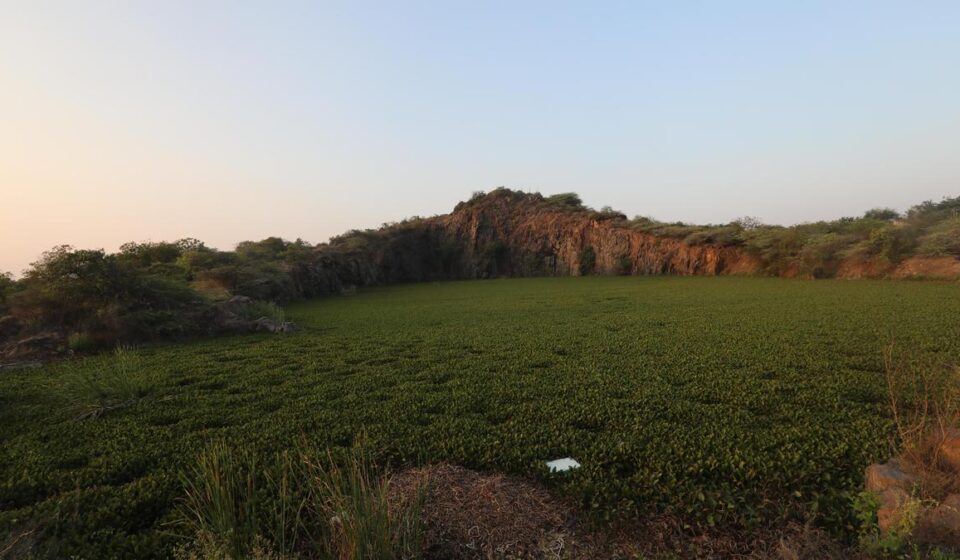

In Chennai, the Ottiyambakkam quarry has transformed into a verdant spectacle largely due to a peculiar twist of nature. The once-popular spot for weekend swimmers and local residents seeking a place to wash clothes is now dominated by a thick layer of water hyacinth. This rapid proliferation of the aquatic plant has made the quarry nearly unapproachable, effectively replacing the community’s recreational activities with a lush, green carpet.
The change has occurred despite ongoing warnings and monitoring efforts from local civic authorities. Residents who previously flocked to the quarry for leisure and practical tasks like washing clothes have found the area less accessible, its waters obscured by the invasive species. This remarkable transformation serves as a reminder of nature’s ability to reclaim and redefine spaces, often in ways that humans cannot control or foresee.
Interestingly, the situation at the quarry mirrors recent discussions surrounding the naming of its streets, drawing parallels to R.K. Narayan’s fictional town of Malgudi. In a contemporary context, there has been a concerted effort to rename roads, a trend steeped in a desire to honor local heritage following India’s Independence. A notable case involved removing the statue of Sir Frederick Lawley from Lawley Road, which initially sparked controversy. After further examination of Lawley’s significant contributions to the area, a re-evaluation of the decision occurred, and there is now a push to let the name-and the statue-endure.
As the community grapples with the implications of both nature’s encroachment and historical reverence, the irony becomes clear: the residents of Ottiyambakkam, while longing for a vibrant gathering space, now find their haven enveloped in greenery. The long-standing relationship between people and place has been disrupted, yet the allure of the transformed landscape remains undeniable.
The situation brings forth critical conversations about environmental management in urban settings. While water hyacinth can present challenges, including ecological imbalance and thwarting of recreational activities, it also highlights issues around biodiversity and the consequences of human intervention in natural habitats. Local authorities are now faced with the urgent task of addressing both the invasive plant and its impact on community life, sparking dialogues about sustainable practices that can preserve local ecosystems while catering to public needs.
As interest in these dynamics grows, the Ottiyambakkam quarry stands as a living testament to change-a space once bustling with activity that now evokes strong sentiments about heritage, nature, and community resilience. Ongoing discussions about environmental stewardship and historical significance will shape the future of this space, reminding us that even in change, opportunities for rebirth and renewal persist.
Prominent now in online discussions and media coverage, the incidents at Ottiyambakkam not only engage local residents and nature enthusiasts but also resonate with those who pursue deeper connections between history and the present. As debates continue, it remains critical for civic bodies and citizens alike to find a balance between fostering environmental well-being and ensuring that community spaces continue to serve their intended purpose.
The narrative unfolding at Ottiyambakkam encapsulates the complexities of modern urban life, serving as a microcosm of greater challenges facing cities today. How Chennai navigates these themes could set a precedent for other urban centers grappling with similar issues, affirming the need for effective stewardship in the face of change.
Original Source: https://www.thehindu.com/news/cities/chennai/water-hyacinth-saves-lives-at-an-abandoned-quarry-in-chennai-metropolitan-area/article70782810.ece
Category : Chennai
Tags:
Publish Date: 2026-03-26 12:21:00