
Hook
We worry about “surge pricing” because it sounds predatory – but obsessing only over headline scenarios misses the larger structural change underway: retail stores turning paper price tags into networked, programmable devices is less about profiteering and more about operational architecture, data flows, and trust.
Context (the signal)
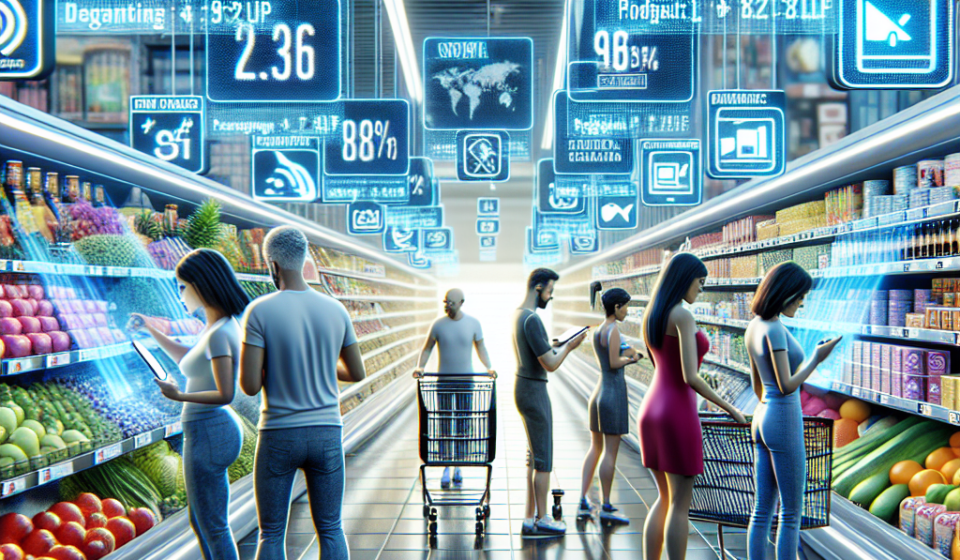
Recent reporting shows a major U.S. retailer is installing digital shelf labels (DSLs) across its estate, citing large time-savings for staff, fewer checkout mismatches, and better alignment between in-store and online promotions. Regulators and legislators are simultaneously raising alarms about algorithmic pricing and proposing limits or bans.
Analysis – what this means for architects, CTOs and retail leaders
DSLs are not a cosmetic upgrade. They turn every shelf into an edge endpoint in the store’s distributed system. That shift has four immediate architectural implications.
1) Edge-first design and resilience
Digital labels may appear simple, but they require a robust local service mesh: reliable message delivery, local caching of price rules, and graceful fallback when connectivity or central services fail. For architects, the priority is “offline correctness” – ensure the last known price, rollback rules, and human override pathways are always available locally.
2) Security and supply-chain integrity
You are now managing thousands of IoT endpoints in publicly accessible aisles. Zero Trust principles must be applied: mutual authentication, signed firmware images, secure update channels, and strict segmentation so a compromised label cannot touch POS, inventory, or customer-data systems.
3) Algorithmic governance and auditability
The real controversy isn’t the hardware – it’s the price-determination logic that could run on centralized servers or at the edge. Organizations should treat pricing algorithms like any high-risk model: versioned code, explainability logs, immutable audit trails of price changes, and deterministic safeguards (e.g., price floors, regional caps, rate limits). In practice this means storing event-ledgers for every price change and exposing human-readable rationales for regulators and customer disputes.
4) Operational trade-offs: efficiency vs. trust
DSLs free staff time and reduce shrink, but they also shift power to algorithmic systems. That can improve freshness for perishables, reducing waste – a positive sustainability outcome – while triggering legitimate consumer-protection concerns. My recommendation to leaders is pragmatic: optimize for operational efficiency, but bake in transparency and human-in-the-loop controls before scaling.
Build vs. buy considerations
Buying a proven DSL platform accelerates rollout and offers vendor-sealed security and support SLAs. Building enables tighter integration with legacy POS and custom pricing rules but increases long-term maintenance and compliance exposure. Pilot critical stores, measure ROI across staff-hours, shrink, and customer complaints, then decide. Wherever you land, require vendors to provide forable logs, update policies, and local-mode behavior.
A short Bharat/Northeast angle
In India – including Northeast markets with intermittent connectivity – the “offline-first” requirement is not theoretical; it’s mandatory. For small-format stores and kirana retailers, cost and power constraints make e-ink DSLs viable only with low-power protocols, local gateways, and simple governance. There’s also an opportunity for frugal innovation: lightweight edge hubs that translate central promotions into locally enforceable markdown rules, preserving both accuracy and autonomy.
Practical takeaways (for CTOs and founders)
– Pilot small: validate local caching, rollback, and staff workflows before-wide rollout.
– Log everything: immutable price-change events are your best defense in disputes or audits.
– Apply Zero Trust to device fleets and do signed firmware updates.
– Implement algorithmic guardrails: floors, rate limits, and human approval for large or sudden changes.
– Engage regulators early: voluntary transparency can pre-empt heavy-handed bans.
Closing thought
Technology like DSLs will reshape retail margins and workflows – but their true test will be whether they enhance operational correctness and consumer trust simultaneously. Architect for both; don’t sacrifice one for the other.
About the Author Sanjeev Sarma is the Founder Director of Webx Technologies Private Limited, a leading Technology Consulting firm with over two decades of experience. A seasoned technology strategist and Chief Software Architect, he specializes in Enterprise Software Architecture, Cloud-Native Applications, AI-Driven Platforms, and Mobile-First Solutions. Recognized as a “Technology Hero” by Microsoft for his pioneering work in e-Governance, Sanjeev actively advises state and central technology committees, including the Advisory Board for Software Technology Parks of India (STPI) across multiple Northeast Indian states. He is also the Managing Editor for Mahabahu.com, an international journal. Passionate about fostering innovation, he actively mentors aspiring entrepreneurs and leads transformative digital solutions for enterprises and government sectors from his base in Northeast India.