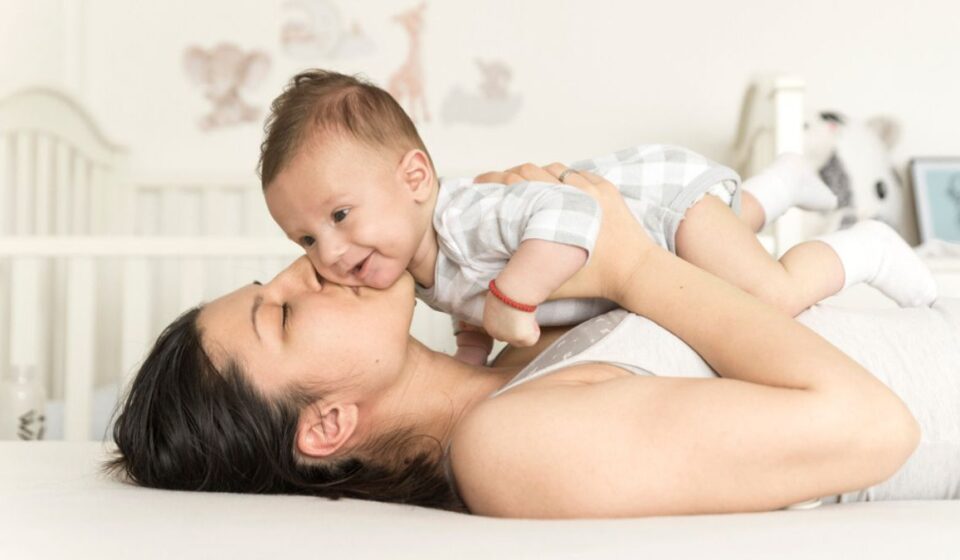

Kissing a newborn can pose life-threatening risks, particularly from infections like the herpes simplex virus (HSV-1). Experts warn that infants, with their still-developing immune systems, are especially vulnerable to such infections, which can lead to severe health complications, including brain damage or death.
A viral Instagram post by Hashem Al-Ghaili has sparked significant concern, claiming that a simple kiss could have dire consequences for newborns. The post features the harrowing story of baby Breelyn, who allegedly contracted neonatal herpes after being kissed by someone with an active cold sore. This close contact reportedly resulted in HSV encephalitis, a severe infection directly affecting her brain, which caused long-term neurological damage, including seizures and developmental challenges. Notably, the post emphasizes that while such infections are rare, the risk is real, urging that “individuals with cold sores must never kiss a baby.”
The post has captured considerable attention, accumulating over 20,300 likes and 49,100 shares, prompting a deeper examination of the health risks associated with kissing newborns. Medical professionals underscore that the transmission of herpes through kissing is a recognized concern. The British Medical Journal states, “Yes, if you are infected with herpes, transferred to a newborn, the infection can have serious consequences, including long-term neurological damage and, in some cases, death.”
Newborns are at an elevated risk due to their underdeveloped immune systems. According to experts at Johns Hopkins Medicine, infants haven’t yet built the defenses required to combat infections from bacteria or viruses effectively. This vulnerability means they’re more likely to suffer severe conditions like sepsis or meningitis, and their delicate blood-brain barrier heightens the risk of infections reaching the brain. As a result, even mild symptoms like fever are treated as medical emergencies in newborns.
To mitigate these risks, experts strongly recommend limiting close contact that might facilitate germ transmission. Johns Hopkins advises that visitors should refrain from kissing the newborn or getting too close to their face, as the mouth is a significant carrier of germs. Individuals exhibiting symptoms-fever, cough, or cold sores-should avoid contact entirely. Simple preventive measures like hand hygiene and wearing masks can further diminish the chances of infection.
Clinical evidence supports the possibility of HSV transmission through kissing. A 2016 case study documented a newborn developing HSV-1 after repeated exposure to a caregiver with active cold sores. The father admitted to kissing his baby despite having active lesions, resulting in the virus being confirmed in the infant through PCR testing. Thankfully, early medical intervention helped prevent the infection from escalating, and the infant recovered without lasting issues, highlighting the importance of swift diagnosis and treatment.
The case underscores the necessity of awareness and precaution, particularly instructing that newborns be kept away from individuals with active herpes lesions. Researchers recommend considering mask use in such situations, further reinforcing the need for diligent hygiene around vulnerable infants.
This article is produced in collaboration with First Check, the health journalism division of DataLEADS. Keeping newborns safe from infections like HSV-1 requires a collective effort grounded in awareness and responsibility.
Original Source: https://www.theweek.in/news/health/2026/03/22/fact-check-can-kissing-newborns-pose-health-risks-including-brain-damage.html
Category :
Tags:
Publish Date: 2026-03-22 12:53:00