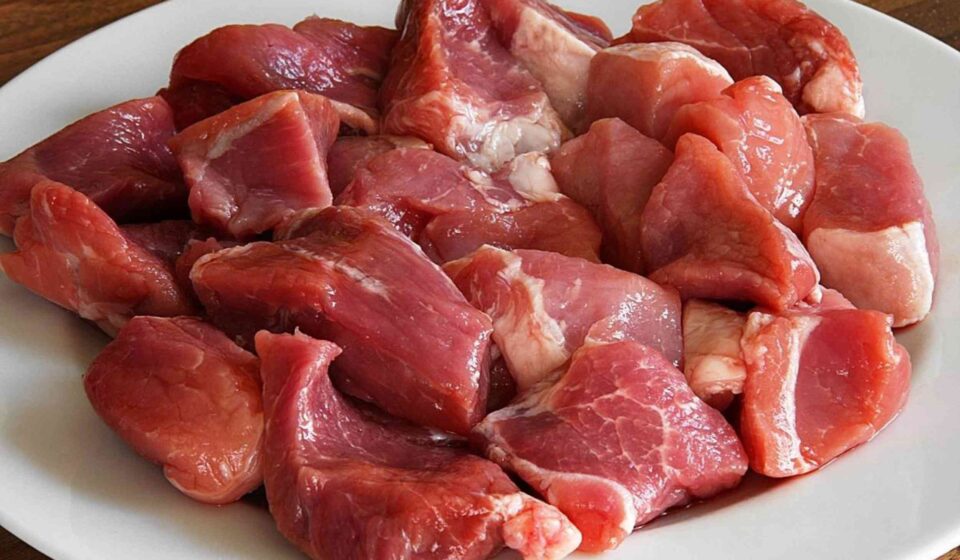
Revolutionary Findings: How Eating Less Protein Could Empower Liver Recovery and Slow Tumor Growth

Recent research highlights a potential link between dietary protein intake and liver tumor growth, particularly in cases where liver function is compromised. A study by Wei-Xing Zong and his team at Rutgers University revealed that reducing protein consumption slows the growth of liver tumors in mice that struggle to clear ammonia due to damaged liver function. This finding invites a reconsideration of dietary norms, suggesting that what is typically seen as a nutritional necessity may transform into a harmful fuel for cancer cells when the liver’s waste management system fails.
In healthy mice, the liver effectively manages protein breakdown, converting ammonia into urea for safe disposal. However, the study found that in tumor-prone mice, an accumulation of ammonia occurs, diverting to compounds crucial for cancer cell replication. Excess nitrogen from this buildup facilitates DNA copying and cellular division, contributing to tumor growth. Specifically, when ammonia builds up, tumors utilize it to generate small molecules necessary for producing DNA and RNA, critical for their rapid proliferation.
The National Cancer Institute projects that by 2025, there will be over 42,000 liver cancer cases in the U.S., with a dismal five-year survival rate of just 22 percent. These alarming statistics underscore the relevance of this research, especially given that conditions like fatty liver disease affect around one in four adults and contribute to liver damage over time. The study’s findings could have broader implications for dietary strategies in cancer care, especially among patients with liver complications.
As part of their experimentation, the researchers implemented a diet with reduced protein levels for the tumor-prone mice, which effectively lowered ammonia production and consequently slowed tumor growth. In their experiments, this dietary modification led to significant extensions in the lifespan of the mice, indicating a strong biological response rather than mere coincidence.
Despite the promising results, Zong cautions against a one-size-fits-all prescription. Current cancer therapies often emphasize higher protein intake to support muscle retention and recovery. While lowering protein consumption can help reduce ammonia levels in those with compromised liver function, it may not be suitable for everyone, as excessive reduction could lead to malnutrition.
In addition, the team conducted analyses by disabling specific waste-clearing enzymes, demonstrating that each enzyme impacted ammonia levels, tumor size, and lifespan in the mice. This underscoring of the liver’s critical role in managing waste hazards suggests that the issue lies not with individual genes but with the overall ability to control ammonia.
For individuals with healthy livers, high protein intake generally poses no such threat. Healthy livers promptly convert ammonia into urea for kidney removal. However, Zong points out that those with liver disease or damage may need to monitor protein intake more closely, as their livers may struggle to handle waste properly. This warning is particularly pertinent for patients suffering from liver cancer and other liver-related conditions.
The implications of low-protein diets extend beyond simply managing ammonia levels. The researchers observed a decrease in cell division and tumor growth signals, pointing to nitrogen limitation as a strategic avenue to impede cancer progression. This study arguably reframes liver cancer as a waste management issue, where damaged liver tissue can inadvertently fuel tumor growth.
While these findings are promising, they prompt a need for careful trials in humans to determine the specific protein levels that could be beneficial without compromise. The research, published in Science Advances, suggests that there may be future avenues for dietary adjustments, novel pharmaceuticals, or probiotics that can help manage ammonia levels in patients with liver dysfunction.
This groundbreaking work opens up new conversations around dietary protocols for liver cancer, emphasizing the importance of comprehensive studies to ensure patient safety and effectiveness in dietary recommendations.
Original Source: https://www.earth.com/news/eating-less-protein-may-slow-tumor-growth-in-damaged-livers/
Category :
Tags:
Publish Date: 2026-03-22 02:18:00