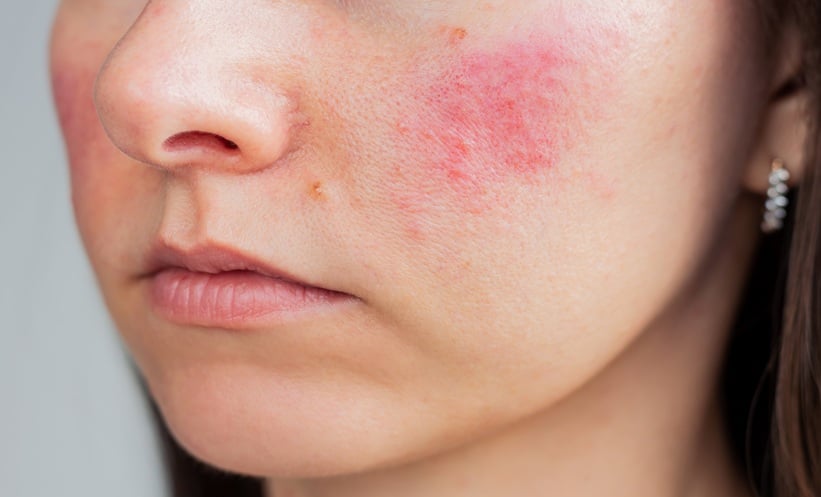

A new retrospective cohort study has revealed a notable connection between rosacea and a heightened risk of developing depression, emphasizing the need for an integrated approach to dermatological and mental health care. Rosacea, known for its chronic inflammatory effects on the skin, is increasingly understood for its potential psychological and systemic implications. However, evidence linking this skin condition to depression has been sparse, particularly in Asian populations. To fill this research gap, a team analyzed data from the Korean National Health Insurance Service-Health Screening Cohort, covering the years 2003 to 2017.
The study examined 3,052 patients recently diagnosed with rosacea alongside a control group of 30,520 individuals without the condition. Participants were carefully matched by age, sex, and the year of diagnosis to ensure comparability. The primary focus was on the incidence of depression throughout the follow-up period.
Among the total cohort of 33,572 participants, there were 4,057 recorded cases of depression. Specifically, 485 of these cases were in the rosacea group. The findings indicated that patients with rosacea faced a 34% greater risk of developing depression compared to their counterparts without the skin condition, with an adjusted hazard ratio of 1.34 (95% confidence interval: 1.22-1.48; p < 0.001). This association held true across various analyses, including subgroup evaluations and propensity score matching. The consistency of these results reinforces the validity of the link between rosacea and subsequent depressive symptoms. The researchers posited that the visible and chronic nature of rosacea might add to psychological distress, making individuals more prone to depression. Although the study does not definitively establish causation, it highlights the necessity of considering mental health outcomes in patients with dermatological issues. The study also advocates for a holistic, multidisciplinary approach to patient management. Clinicians treating individuals with rosacea should be aware of the potential for comorbid depression. This awareness could facilitate earlier diagnosis and timely interventions, ultimately improving patient care. While this research opens avenues for further exploration, the authors stress the need for additional studies to elucidate the biological and psychosocial mechanisms underlying the association. Nevertheless, the current findings highlight significant implications for integrating dermatological and psychiatric care, which could enhance overall patient well-being. As the understanding of rosacea broadens, the intersection of skin health and mental health becomes increasingly evident. This study serves as a crucial reminder of the complexities of health conditions and the importance of comprehensive care strategies tailored to individual patient needs, combining both dermatological and psychological perspectives for optimal outcomes. In conclusion, with links between skin conditions like rosacea and mental health issues, healthcare professionals must recognize the interconnectedness of these fields. As research continues to evolve, embracing a multidisciplinary framework can pave the way for improved patient experiences and outcomes. Reference: Choi YG et al. Association between rosacea and the risk of depression: A retrospective cohort study. Arch Dermatol Res. 2026;318:132. Original Source: https://www.emjreviews.com/dermatology/news/rosacea-linked-to-higher-risk-of-depression/ Category : Tags: Publish Date: 2026-03-20 19:34:00