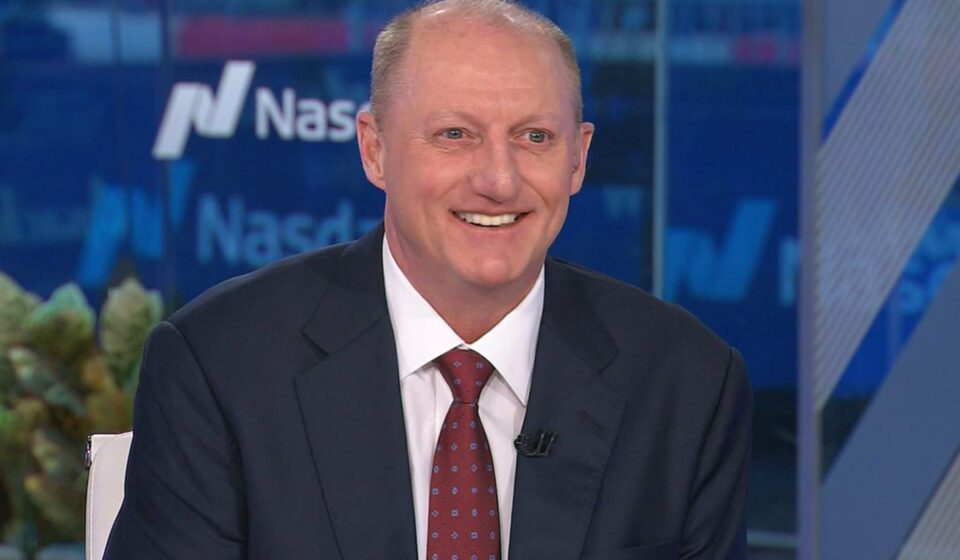

Greg Abel, the newly appointed CEO of Berkshire Hathaway, announced during a March 5 appearance on CNBC’s “Squawk Box” that the company will commence share repurchases-a move notable for a corporation that has not bought back its own stock since the second quarter of 2024. This decision aligns with a trend among financially robust firms, particularly those in the S&P 500, which collectively spent an estimated $1 trillion on stock buybacks in 2025. This marks an increase from the previous record of $942 billion in 2024 and highlights a shift in corporate strategies, with companies favoring buybacks over cash dividends for the fifth consecutive year.
Buyback programs serve as a mechanism for returning capital to shareholders, similar to dividends. However, under the right circumstances, they can also indicate a company’s financial health. “It’s a way for management to signal that they are generating excess free cash flow beyond what is necessary for internal needs,” said David Sekera, chief U.S. market strategist at Morningstar. As the value for shareholders increases, these programs often catch investors’ attention. Yet, as Rob Leiphart, vice president of financial planning at RV Capital Management, warns, investors should exercise caution. Some firms may resort to buybacks to bolster short-term financial metrics instead of fostering long-term growth, labeling the practice as “financial engineering.”
When a mature company possesses ample free cash flow-money remaining after operational expenses-it faces decisions on how to invest that capital. Traditionally, this could mean funding research and development or pursuing acquisitions. Nowadays, many opt for share buybacks, allowing them to repurchase shares in the open market rather than distributing cash to shareholders directly. This strategy can enhance earnings per share metrics, thus potentially attracting additional investors.
The implications of a buyback are profound, particularly if the shares are repurchased when undervalued. Sekera emphasized, “If a company buys shares at a price lower than their true value, it’s a boon for shareholders.” In contrast, repurchasing at inflated prices can erode value. Abel noted that Berkshire assesses share repurchase opportunities conservatively, only when the price is deemed below the company’s intrinsic value.
While buybacks can signal financial strength, financial experts advise that investors should not make decisions solely based on such announcements. Evaluating a company’s broader context is crucial. “Consider whether they have a market-leading product, if their leadership is stable and successful, and how consistently they’ve delivered value,” Leiphart advises. This holistic view provides a more comprehensive understanding of a company’s potential than buyback news alone.
As retail investors navigate these developments, consulting financial professionals remains essential. Whether considering buybacks or other investment strategies, a strategic approach grounded in thorough research will yield the best results.
Overall, while share repurchases can enhance shareholder value, they must be viewed within the wider landscape of a company’s health and market positioning. The evolving dynamics around buybacks reflect a significant trend in corporate finance, making it imperative for investors to stay informed and strategic in their decision-making.
Original Source: https://www.cnbc.com/2026/03/14/what-stock-buybacks-mean-for-investors.html
Category :
Tags:
Publish Date: 2026-03-14 17:30:00