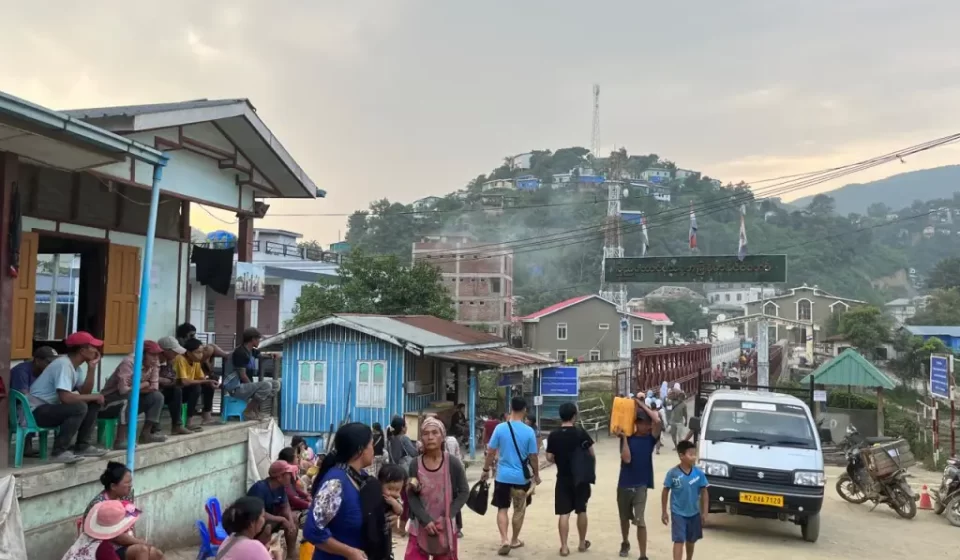

Mizoram Chief Minister Lalduhoma told the state Legislative Assembly on Wednesday that the state government prefers “virtual fencing” along the 404-kilometre Indo–Myanmar border instead of building a physical barrier. The announcement reiterates long-standing resistance from both the state administration and local communities to erecting walls or barbed wire along the frontier.
The move signals a choice for technology-led border management over hard infrastructure, the chief minister said, reflecting local sentiment against permanent physical barriers that could disrupt communities and cross-border ties. The Assembly statement comes amid broader concerns in the state about security and the complex humanitarian situation along the border.
Virtual fencing, as described by officials and security experts, refers to electronic monitoring systems-such as sensors, cameras and remote surveillance-used to detect and deter illegal crossings without constructing continuous physical walls. Proponents say it can provide real-time alerts and allow targeted responses while minimizing the environmental and social impact of a permanent barrier; critics caution that technology alone may not address all security challenges.
By favouring virtual fencing, Mizoram’s government is aligning policy with local opposition to physical barriers while seeking to strengthen border monitoring. The decision frames the border debate as one between preserving community ties and improving security through non-invasive means, leaving open questions about funding, implementation timelines and coordination with central agencies responsible for national border management.
Original Source: https://eastmojo.com/mizoram/2026/03/14/mizoram-prefers-virtual-fencing-along-the-myanmar-border-what-does-that-mean/
Category: Free Digest,Mizoram,Myanmar,National News,Neighbourhood Watch,News,Northeast News,Top News
Tags:
Publish Date: 2026-03-14 11:49:00