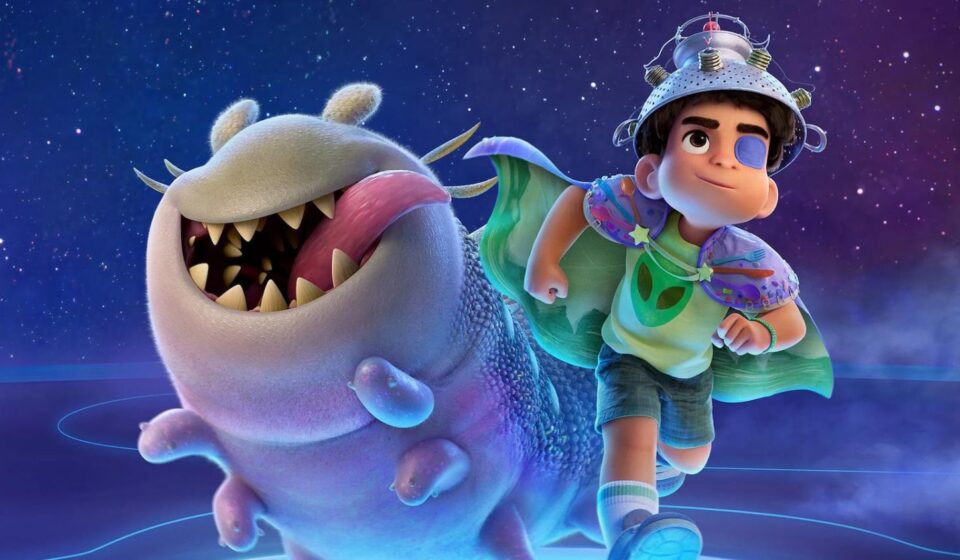
Exclusive: Pixar’s Pete Docter Unveils Why ELIO’s Gay Storyline Was Scrapped-A Must-Watch Insight into Movie-Making Choices!

Elio: The Pixar Fallout and the Price of Creative Control
Last year, Pixar’s Elio debuted with much fanfare-an 83% score on Rotten Tomatoes and an impressive 89% on the fan-favorite Popcornmeter. Yet, beneath the glittering surface, the film flopped spectacularly, raking in a mere $20.8 million on its opening weekend. A humbling reminder that even animation juggernauts can find themselves in dire straits, Elio joins the ranks of Elemental and Mufasa: The Lion King, both dubbed flops despite their artistic ambitions. Ultimately, Elio amassed a paltry $154 million during its run.
But here’s where the story takes a thrilling twist! Rumors have swirled that the version of Elio we witnessed is far removed from the director Adrian Molina’s original vision. Picture this: a scene where Elio collects beach trash and transforms it into avant-garde clothing, including a vibrant pink tank top. Insiders hint that this was part of Molina’s plan to portray Elio as a queer-coded character, an echo of the director’s own identity as an openly gay filmmaker.
Before you clutch your pearls, let’s clarify: Molina always intended for Elio, an 11-year-old, to be a creature of innocence, not a coming-out story. Yet, the film morphed dramatically following “feedback from leadership.” His passion for environmentalism and fashion was all but obliterated, the narrative stripped of any hints of youthful crushes. Instead, Elio donned discarded clothing as if on a whimsical fashion spree-without any explanation to the audience, mind you!
And here’s where the drama thickens. Word has it that Molina felt deeply wounded by the creative overhaul and the feedback from Pixar chief Peter Docter. Shortly after, Molina stepped away from the co-director role, replaced by Madeline Sharafian and Domee Shi. The creative genius was offered a chance to stay, but who would want to remain aboard a ship that misinterpreted their vision?
As reported by Toonado.com and later corroborated by the Wall Street Journal, Pixar scrapped plans for Elio to openly embrace his identity. Docter candidly shared that this pivot stemmed from a realization that some parents might not be ready for such conversations with their children. “We’re making a movie,” he stated, “not hundreds of millions of dollars of therapy.” And with that remark, the spirit of Molina’s exploration-where Elio ultimately raises a child with a male partner-was tossed overboard along with any semblance of risk-taking.
Docter’s ambition seems to prioritize a universally acceptable vision over the raw, often messy truths drawn from a filmmaker’s life experience. “As time’s gone on, I realized my job is to make sure the films appeal to everybody,” reflected the Oscar-winning mind behind Up, Inside Out, and Soul. For some, this chilling trend spells the end of Pixar’s once-celebrated creative freedom. Others, however, cling to hope that the studio will channel its energy into timeless, impactful narratives-much like this weekend’s Hoppers.
In a landscape where blockbuster ambitions clash with the intricate threads of personal storytelling, Elio stands as a poignant reminder that even in animation, the struggle for authenticity remains ever-present. As we delve into cinemas this weekend, will we see a return to brave storytelling? The industry watches and waits, eagerly anticipating how we might sway back toward the daring hearts of our filmmakers.