Exclusive: Badshah Apologizes and Removes ‘Tateeree’—What This Means for Bollywood Fans!

Badshah’s Apology: A Turbulent Ride Through ‘Tateeree’ Controversy
In a world where the lyrics of a song can swirl into a tempest of controversy as quickly as they can top the charts, the brash yet beloved rapper Badshah has found himself in quite the storm post-release of his latest track, “Tateeree.” What was intended as a vibrant expression of hip-hop bravado has morphed into a backlash, drawing sharp remarks from women’s organisations who deemed some lyrics offensive and disrespectful.
The uproar reached a crescendo this March 6 when complaints landed at the Cyber Police Station in Panchkula, citing potential violations under the Indecent Representation of Women (Prohibition) Act. And just like that, Badshah, who often struts his stuff as the king of chart-toppers, was cast into the unforgiving spotlight of outrage.
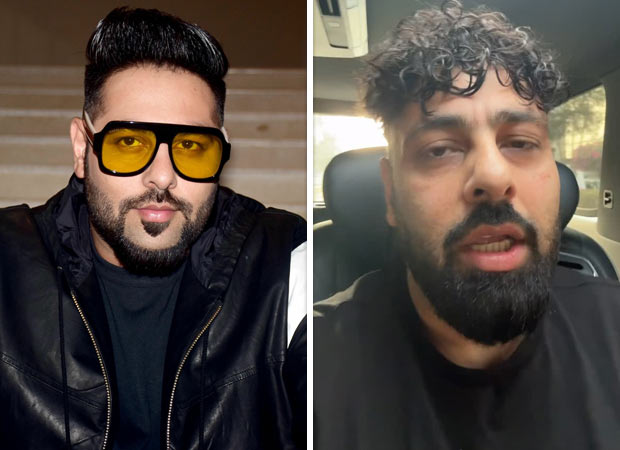
On March 7, the rapper turned to Instagram, a digital diary of sorts, to issue a heartfelt apology better suited for a drama unfolding on prime time. “My new song ‘Tateeree’ has been released, and I’ve noticed that a part of my lyrics and its visual representation have conveyed a message that has hurt the sentiments of many people, especially those from Haryana,” he confessed, clearly reverberating with the weight of unexpected backlash.
Sporting a cloak of remorse, Badshah laid bare his pride in his roots, emphasizing, “First of all, I want to say that I myself am from Haryana. Those who know me are aware that my language, my food, my lifestyle, and my identity come from Haryana.” His words were laced with the sincerity of someone trying to appease a group that suddenly turned its critical eyes upon him.
But do the lyrics, so often a reflection of cultural dialectics, deserve such scrutiny? Badshah defended himself emphatically, elucidating that the lines were more aimed at rivals than at women and children, drawing on the tradition of hip-hop where competitive banter reigns supreme. “It was never meant for any woman or child, and I would never do that,” he stressed, calling upon listeners to consider him “a son of Haryana.”
While some might shake their heads and dismiss these statements as mere PR posturing, one cannot ignore the glaring reality that today’s artists exist under the relentless watch of a critical audience. The chorus of disapproval reached a fever pitch when several women’s organizations rallied against the lyrics, citing them as indecent, igniting the fire into a full-blown scandal.
Is it fair to paint Badshah as a villain in this narrative, or is he merely a product of a hyper-competitive industry? The complexities of artistic expression clash head-on with societal standards, and what is intended as edgy, provocative art can quickly cross into offensive territory. While artists explore their craft, audiences, too, are beginning to demand a more respectful dialogue, especially when it comes to women.
In a bid to quell the rising tide of backlash, Badshah took a bold step: “The song is being taken off from everywhere,” he announced alongside the video, signalling a retreat but perhaps also a moment of introspection for the artist.
As the drama unfolds, it raises the question: does expressing one’s artistic freedom come with a litmus test of societal acceptance? Badshah’s apology may extend an olive branch to his critics, but let’s not kid ourselves-the spark of controversy that ignited this saga could very well fester into a larger conversation about the responsibility of artists in an age where words have the power to heal or hurt.
For now, fans watch and wait with bated breath, eagerly tracing the contours of the next chapter in Badshah’s musical journey. And in a world driven by virality, what better backdrop to stir the pot than the unrelenting realm of entertainment? The stage is set, the audience is ready, and the spotlight is once again on Badshah-let’s see how he plays his hand next.