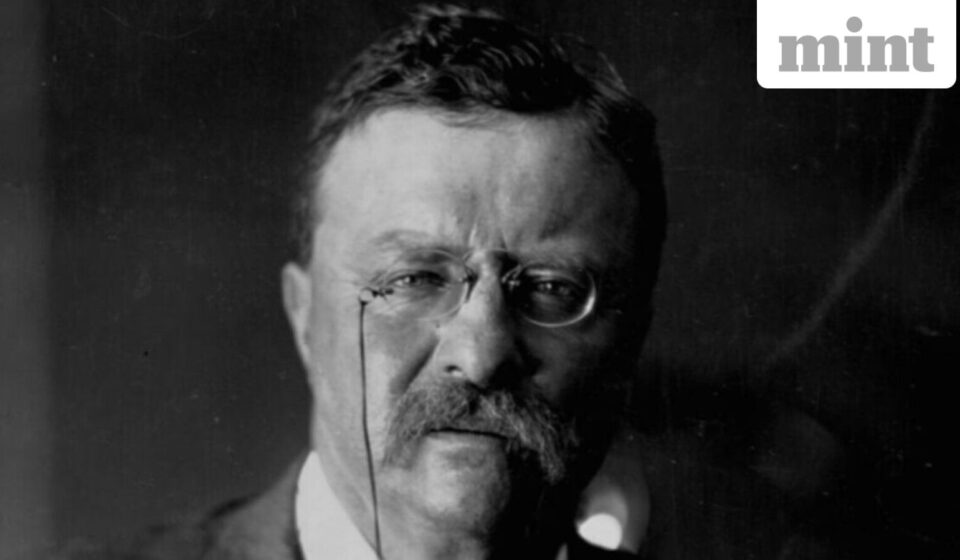

Theodore Roosevelt, the 26th President of the United States who held office from 1901 to 1909, is often hailed as one of the nation’s most dynamic and reform-oriented leaders. His legacy includes an abiding commitment to social justice and equality, ideas encapsulated in a poignant quote from his autobiography: “It is better for the government to help a poor man to make a living for his family than to help a rich man make more profit for his company.”
This statement underscores a critical perspective on economic policy-one that emphasizes prioritizing the needs of the less fortunate over the interests of the wealthy. Roosevelt’s assertion advocates for government action aimed at empowering struggling families rather than merely enhancing the profits of established corporations. He believed that policymakers should first consider how their decisions affect those who are battling to support their loved ones, highlighting the importance of addressing the struggles faced by economically disadvantaged groups.
The essence of Roosevelt’s message is clear: governmental priorities should be driven by the imperative of improving living standards for families in need. By focusing on essentials like food security, healthcare, education, and stable employment, governments can facilitate a dignified life for all citizens. Roosevelt’s perspective champions the notion that assisting individuals in becoming self-sufficient should take precedence over enriching those who are already financially secure. This includes promoting fair wages, greater job opportunities, support for small businesses, and educational initiatives to ensure future generations can thrive.
Conversely, Roosevelt’s comments also critique the common practice of crafting policies that disproportionately benefit affluent individuals or corporations. While business expansion plays a vital role in economic growth, it must not overshadow the fundamental needs of average citizens. The moral imperative here is stark: when a segment of the population struggles to make ends meet, catering to the wealth of the already affluent should not be the priority.
This quote invites reflection on the role and responsibilities of government in a democratic society. Elected officials are tasked with representing all constituents-not just those with economic clout. By shifting the focus towards the marginalized, governments can foster a more equitable society. Failure to do so risks deepening economic disparities and eroding social cohesion. Conversely, when the needs of working families are prioritized, communities flourish. Secure livelihoods empower citizens to engage in their local economies, support their children’s education, and participate actively in civic life.
Roosevelt’s vision is particularly relevant in today’s socio-economic climate, where income inequality remains a pressing issue. The call for policies that benefit the less fortunate resonates louder than ever, drawing attention to the necessity for governments to realign their priorities. Ensuring that every citizen’s basic needs are met lays the foundation for a prosperous and stable society. By championing initiatives that uplift families rather than amplify corporate profits, leaders can cultivate a healthier economy and a more just society.
In conclusion, Roosevelt’s insight serves as a timely reminder of the responsibilities that come with governance. By remembering that the ultimate goal of public policy should be the well-being of all citizens, particularly those in need, governments can help secure a future where everyone has the opportunity to thrive.
Original Source: https://www.livemint.com/news/trends/quote-of-the-day-by-theodore-roosevelt-on-helping-the-needy-it-is-better-for-the-government-to-help-a-poor-man-to-11772645228022.html
Category :
Tags:
Publish Date: 2026-03-04 23:20:00