Can Congress Confront Trump’s Military Moves on Iran? The Evolution of Presidential War Powers Over 75 Years

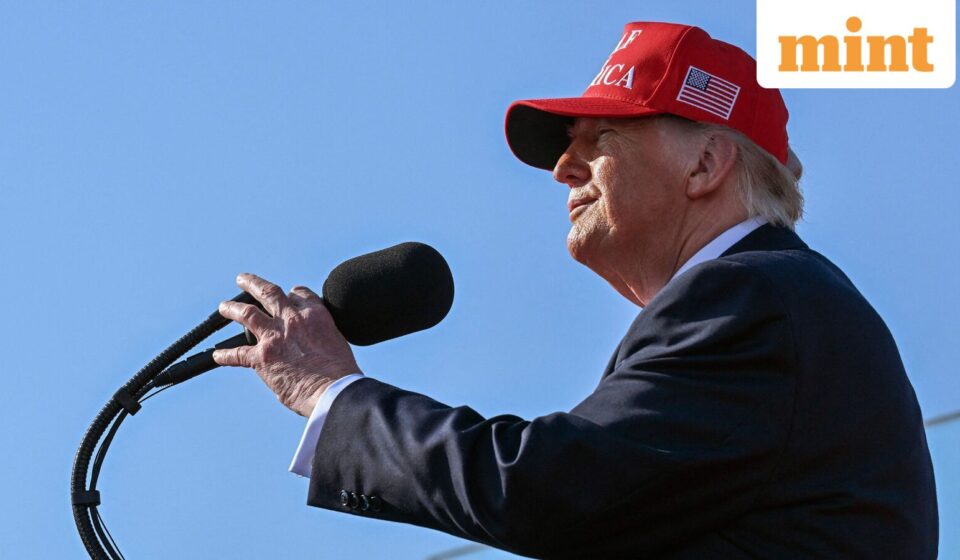
The recent military strikes by the United States on Iran have reignited a long-standing constitutional debate in Washington: who has the authority to declare war? President Donald Trump’s decision to launch this campaign in coordination with Israel, without prior congressional approval, has faced backlash from legal experts and lawmakers who argue it may be unconstitutional under U.S. law, reflecting a broadening interpretation of presidential war powers over decades.
The U.S. Constitution assigns Congress the exclusive power to declare war under Article I, a power not formally exercised since World War II. Despite this, successive presidents have taken unilateral military action abroad, often citing national security concerns. Critics contend that by acting unilaterally against Iran, Trump bypassed necessary legislative checks, as presidential powers outlined in Article II are intended primarily for responding to immediate threats, not for initiating prolonged military engagements.
While Congress does have mechanisms to check presidential military actions, the process is politically intricate. Lawmakers can propose war powers resolutions that require the president to seek authorization for continued hostilities. However, these resolutions must pass both the Senate and the House of Representatives-and even if they do, the president can veto them, necessitating a two-thirds majority in both chambers to override, a feat often difficult to achieve in a polarized political climate.
This latest U.S.-Israeli action involved coordinated strikes against senior Iranian leaders, including Supreme Leader Ali Khamenei, as part of a strategy to destabilize the Iranian regime. In a video statement, Trump proclaimed, “We’re going to destroy their missiles and raze their missile industry to the ground.” Following the attacks, the White House faced criticism regarding the legality of the operation, but did not respond to requests for clarification.
Historically, presidents have invoked their commander-in-chief powers to act in militarily hostile situations. However, the trend of expanding executive authority began in earnest during the Korean War when then-President Harry Truman dispatched troops without congressional approval. This precedent has been cited by many subsequent presidents, from John F. Kennedy’s Bay of Pigs invasion to George H.W. Bush’s 1989 Panama invasion.
In the post-9/11 era, many presidents have relied on the 2001 and 2002 Authorizations for Use of Military Force (AUMF) to justify military operations, even as Congress has not passed a new AUMF since 2002. This has allowed recent administrations to engage in military actions across numerous countries without fresh legislative oversight.
Critics argue that such unilateral decisions reveal how current presidents have stretched legal frameworks far beyond their initial counterterrorism intent, often avoiding the accountability that comes with congressional authorization. Political considerations frequently dissuade lawmakers from challenging presidential military decisions, with many preferring to avoid potential fallout from military outcomes.
As the constitutional tension between Congress and the presidency over war powers continues, the implications of Trump’s recent actions and the congressional response will likely impact U.S. foreign policy for years to come.
Original Source: https://www.livemint.com/news/world/can-us-congress-stop-trump-s-military-actions-on-iran-how-presidential-war-powers-have-evolved-over-75-years-11772326222126.html
Category :
Tags:
Publish Date: 2026-03-01 07:11:00